

Energy sits at the center of Gujarat’s industrial growth. Textile mills, engineering hubs, ceramics, and chemical plants all depend on steady supply. Power cuts or price swings can stop production in hours. This is why Captive Power Plants in Gujarat are closely tied to wind energy investment today.
For years, industry looked at captive power as insurance. Gas units, coal plants, even diesel gensets. Now the story is shifting. Companies are putting money into wind. Not as a side project but as a long-term plan.
Why Captive Power Still Matters
Factories in Gujarat want control. Grid tariffs rise and fall, and regulatory fees change often. For energy-heavy industries, relying only on grid supply is a risk.
Captive Power Plants in Gujarat have leaned on fossil fuels for decades. That worked when coal and gas were cheaper. Today the costs are higher and emissions are under pressure. Renewable purchase obligations push companies toward cleaner options. Wind offers a way to manage costs and reduce exposure at the same time.
Wind Energy Investment Is No Longer Niche
In the past, wind was treated as a tax tool. Many turbines were installed for accelerated depreciation, not for output. Some sat idle for years.
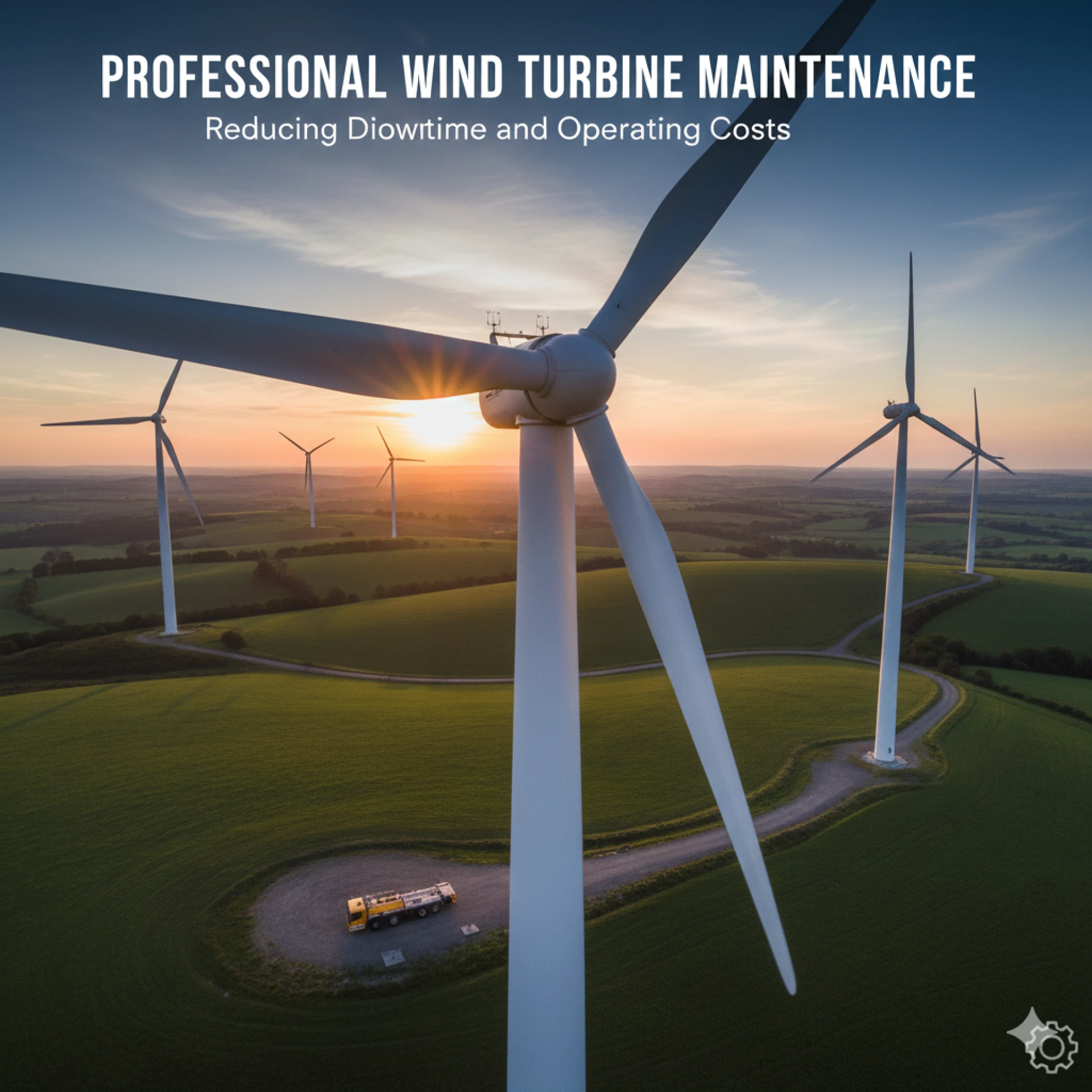
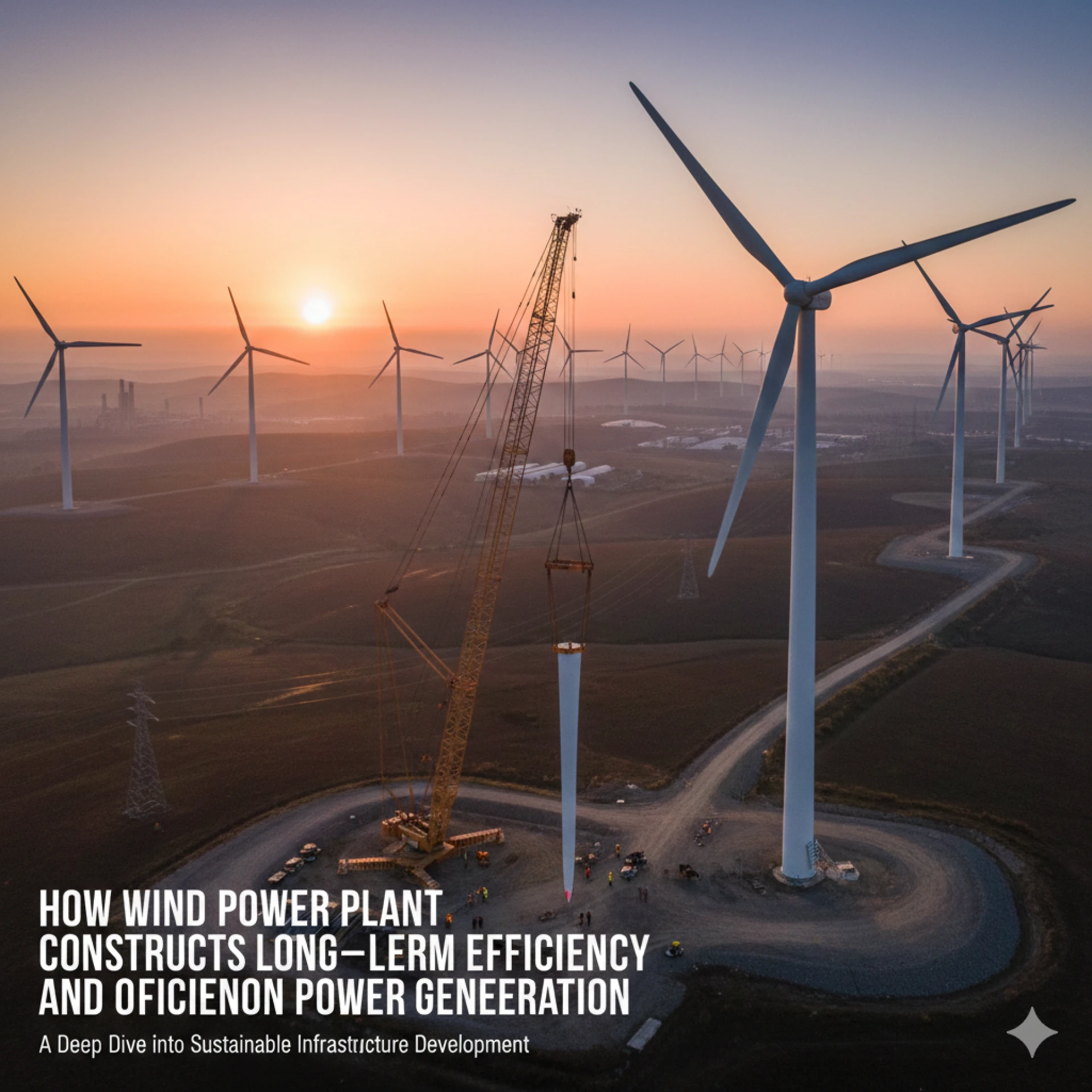
That has changed. Modern turbines are larger, more efficient, and easier to run. A single 3 MW unit now replaces several older machines. Wind projects are becoming part of core infrastructure.
Gujarat is a good fit. Wind corridors in Kutch and Saurashtra are strong. Land and transmission are better than in many other states. Policy is not perfect but it is relatively stable.
The Industrial Pull
Plant managers care about cost and reliability. If wind gives them lower power prices over 15 or 20 years, they will invest.
Group captive models are growing. Textile clusters in Surat or ceramic units in Morbi are pooling resources into wind farms. Long-term agreements give them predictable supply.
Reputation plays a role too. Global buyers now expect cleaner supply chains. Companies running on renewable captive power meet that requirement. For exporters, it has become essential.
Not Without Hurdles
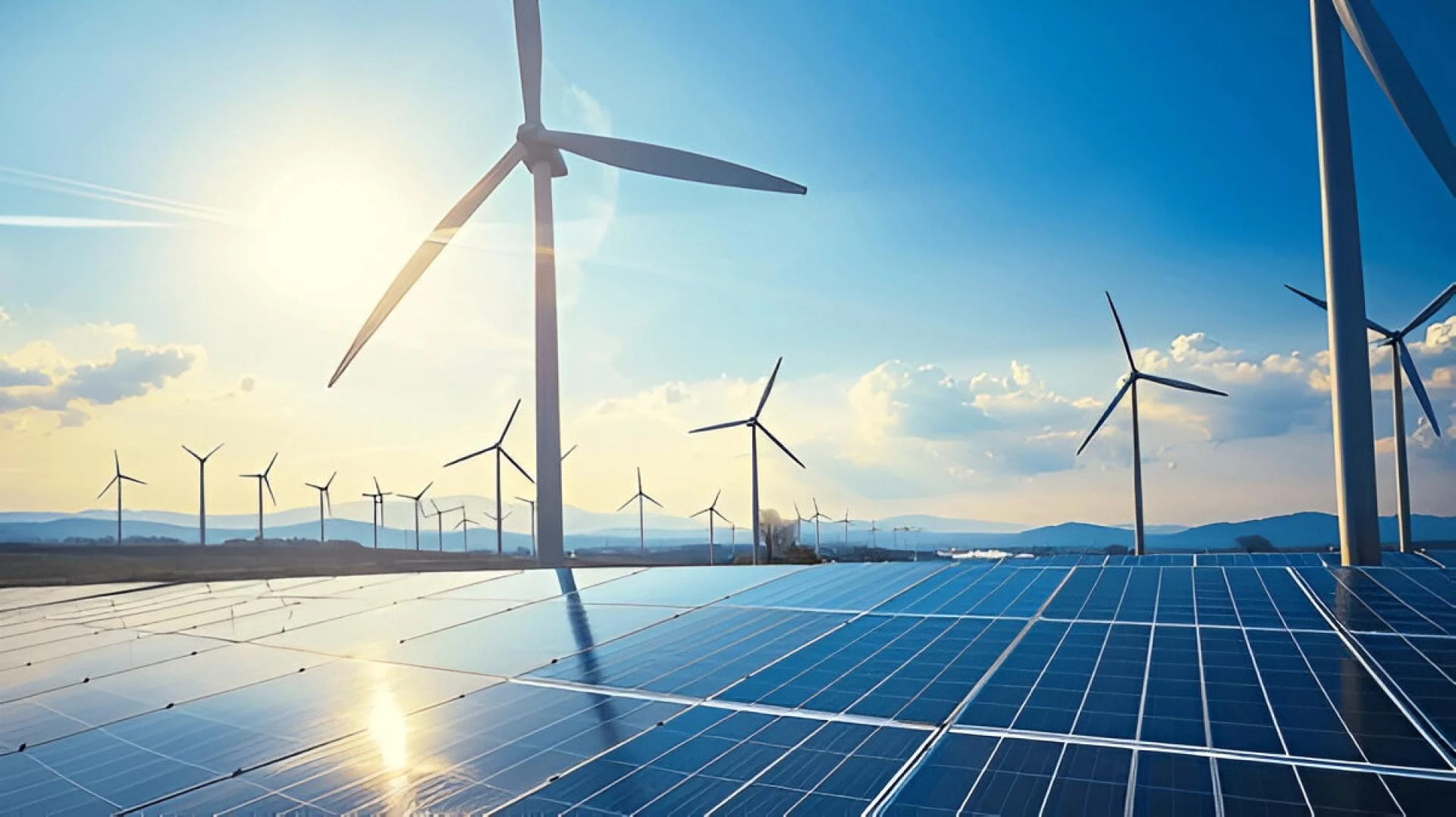
Wind is not flawless. Turbines do not run at full load all year. Captive wind usually works best with solar or grid balancing.
Smaller firms often struggle with finance and project complexity. Land approvals and permits still cause delays. Even Gujarat’s strong grid faces congestion at times.
But industries deal with challenges every day. If the savings are real, they will find a way through. With fossil prices rising and turbine prices falling, the numbers look strong.
A Shift in Mindset
Captive power used to mean backup supply. Now it is part of business strategy. Companies that commit capital to wind energy investment want control over their energy future.
This shift brings momentum. Banks see wind as lower risk. Developers push technology forward. Regulators follow industry demand.
Some say industries should stay on the grid and focus on efficiency. On the ground, that is not realistic. Industrial users in Gujarat want independence. They build their own solutions rather than wait.
Where This Could Go
Over the next decade, Gujarat could see large parts of its industry run on captive wind and hybrid projects. Not token additions but serious capacity.
There are risks. Overuse of windy sites, weak maintenance, or sudden rule changes. Still, the trend points upward.
Captive wind is more than power. It gives industries freedom from volatile markets and shifting utility charges. That independence is valuable.
Some critics argue that too much captive supply weakens the grid. That may be true. But it also forces utilities to rethink their role. They may focus more on balancing and services than supply.
Closing Thought
I stood on a ridge in Saurashtra not long ago watching turbines turn. They are not perfect machines. They take land and they do not run all the time. But they fit Gujarat’s industrial spirit. Practical, adaptable, forward-looking.
When we look at Captive Power Plants in Gujarat and rising wind energy investment, it is less about technology and more about direction. Industries are securing their future on their own terms.









Sign in to leave a comment.