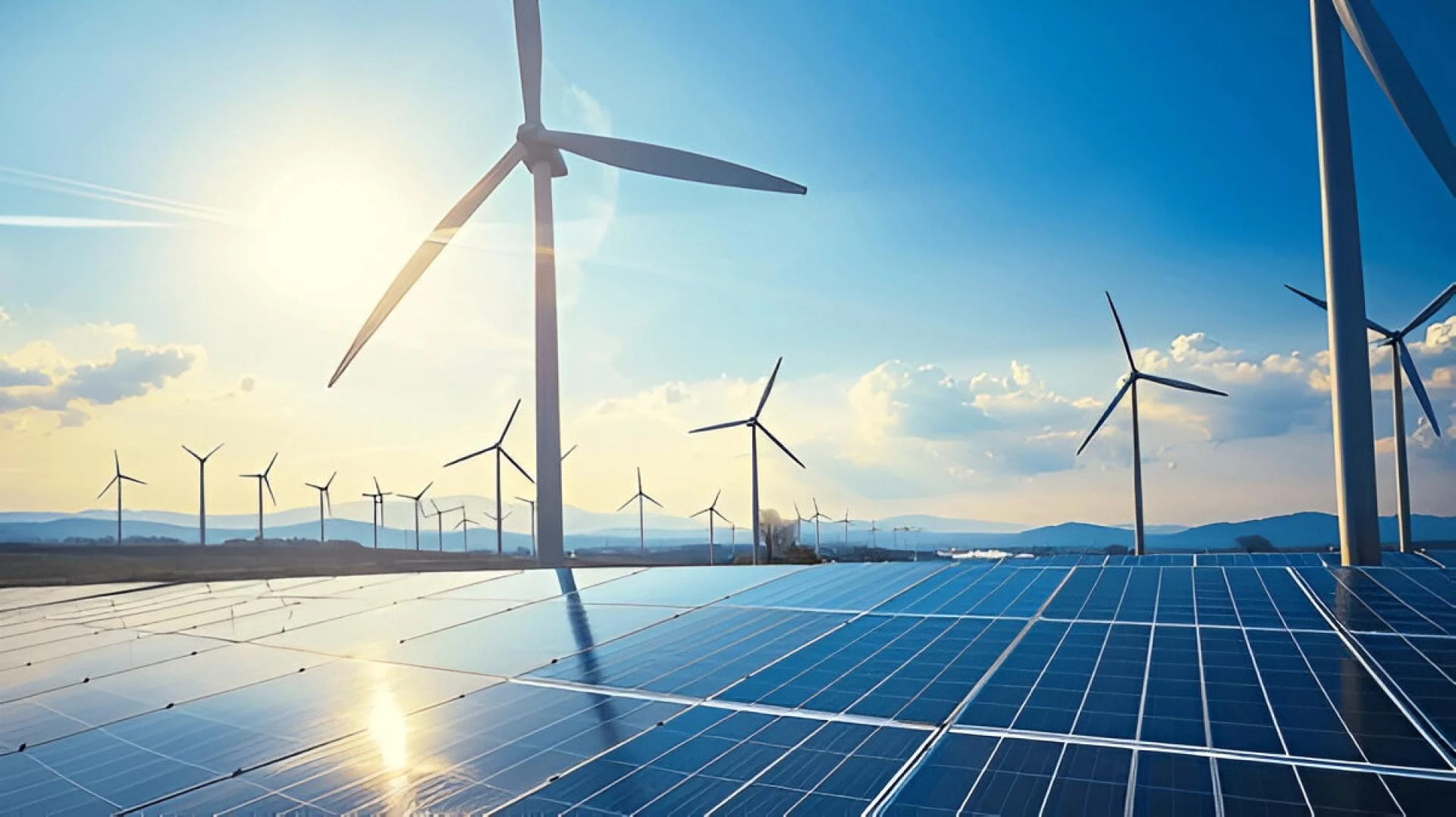

The grid has always been about compromise. A coal plant can run at full output and still leave people in the dark if supply and demand don’t line up. Covering land with solar panels doesn’t solve evening peaks when the sun is gone. Hybrid power plant developers are filling this gap by combining technologies that balance each other.
A hybrid plant puts two or more sources on one site, sharing land and infrastructure. A Wind Power Plant paired with solar is the common model. Wind often rises when solar fades. Add storage and you can smooth supply even further. These projects are not about elegance. They are about making the system work.
Electricity demand is growing everywhere. India’s load is rising 6–7 percent each year. Southeast Asia is accelerating too. Europe still struggles in winter peaks. Without enough new clean projects, the gap is filled by coal or diesel. Developers who bring hybrid plants online quickly are keeping grids stable.
Why developers, not just technology, are the hinge point
People notice turbines or solar panels, not the work behind them. The real bottleneck now is project development. A hybrid power plant developer has to handle land, permits, grid codes, financing, and storage procurement. They also need to model how wind and solar interact at a site. If they misjudge, the plant may not deliver the steady profile that was promised.
Developers are betting on variability. It sounds risky but it matches how renewables work. Not all turbines are chosen for maximum efficiency. Sometimes it is better to use a lower-efficiency model that turns at lower wind speeds. That choice fills daily troughs in supply. It is less about technology and more about judgment.
The financing headache nobody likes to talk about
A Wind Power Plant is already expensive. Adding solar, storage, and interconnection pushes costs higher. Banks don’t like complexity. That is why hybrids were slow to take off.
The shift now is that investors see hybrids as safer. Multilaterals, climate funds, and even private equity prefer a balanced mix to a single resource. A hybrid spreads risk. If solar output drops for a week, wind can support the grid. Storage covers short gaps. That steadier profile is what convinces lenders.
The cultural shift within the grid
Hybrids don’t just add supply. They push utilities to think differently. For decades, grids ran on dispatchable plants. Coal or gas could be ramped up when needed. Hybrids don’t operate like that. They force operators to forecast, manage data, and work with weather models.
A hybrid power plant developer often guides utilities through this shift. They provide dashboards, training, and evidence that variable supply can still be reliable. This human element is often ignored but it is critical for adoption.
My own take
Hybrids are not a perfect solution. Some projects will face curtailment, weak forecasts, or political hurdles. Others will fail quietly. That is how energy transitions unfold.
Waiting for a single technology to solve everything is unrealistic. Hybrids accept imperfection and make it useful. Demand is rising, emissions targets are urgent, and grids are stubborn. Developers who combine wind, solar, and storage are not chasing perfection. They are keeping power available when it is needed.
The next time you hear about a standalone Wind Power Plant, remember that hybrid projects may be the ones holding the system together. They are not flashy, but they make the transition work in practice.
























Sign in to leave a comment.