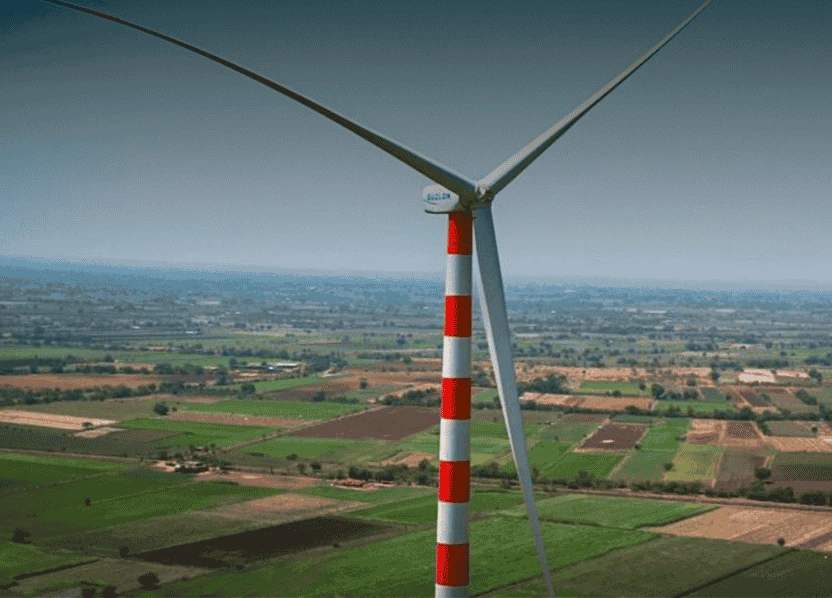

For years, Indian industries depended on the state grid. Power supply was unreliable, outages were frequent, and tariffs kept rising. Captive power generation started to look like a practical alternative. Instead of waiting on utilities, companies began making their own electricity.
Electricity costs remain unpredictable. Renewable energy is now cheaper than imported coal. Companies are also under pressure to cut emissions. Captive power is no longer just a backup. It is turning into a serious business advantage.
Why Captive Power, Why Now
Captive power generation is not new in India. Aluminum smelters built plants in the 1980s to secure steady supply. Today the grid is stronger, but for industries, it is still expensive and less flexible.
Large users face high cross-subsidized tariffs to support low household and farm rates. A textile mill in Tamil Nadu or a data center in Bengaluru pays much more than it should. Captive power lets them avoid this. By law, if the consumer owns at least 51 percent of a project, it qualifies as captive. That gives the company exemptions from open access surcharges and extra charges.
Renewables Take the Stage
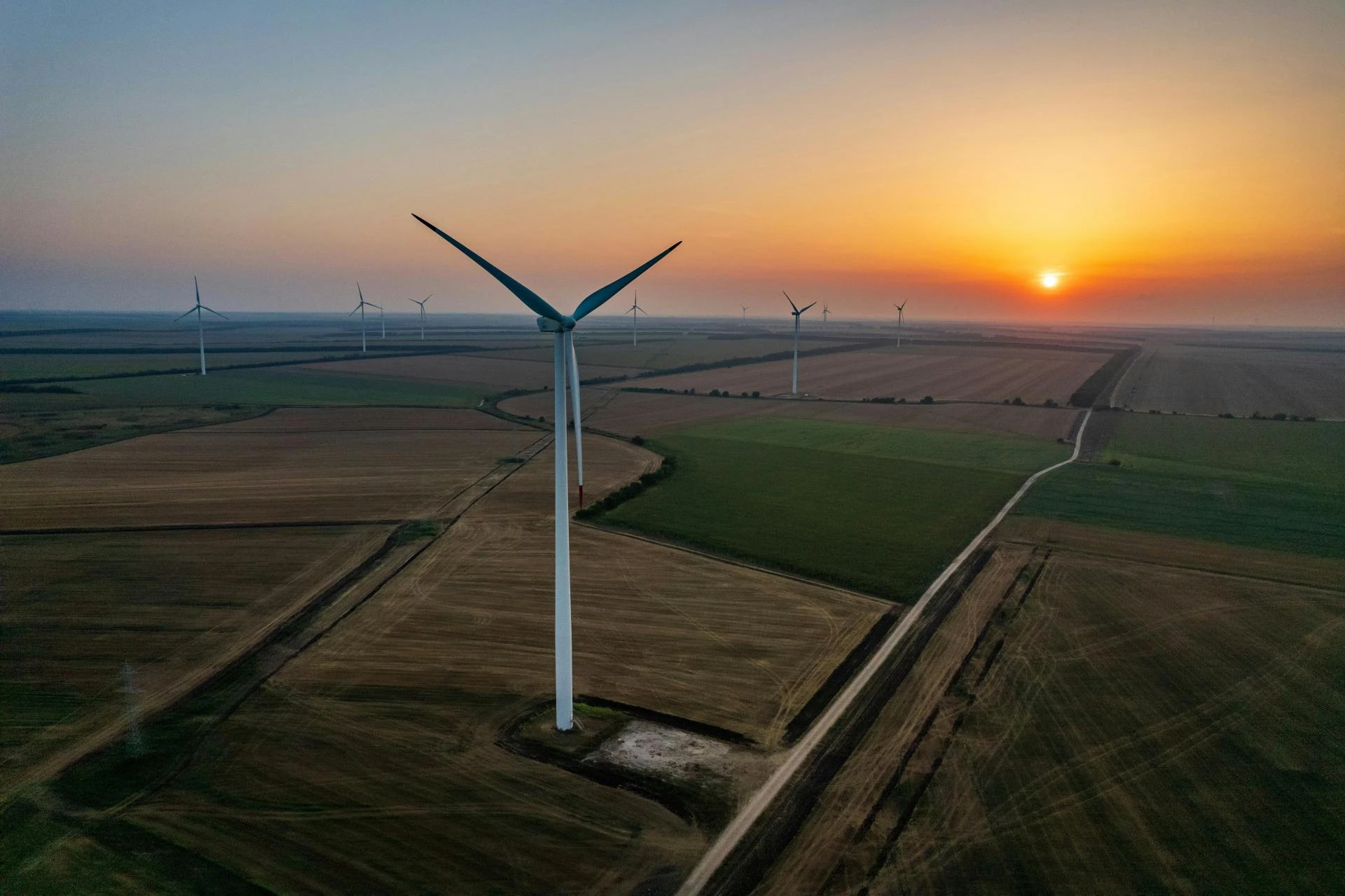
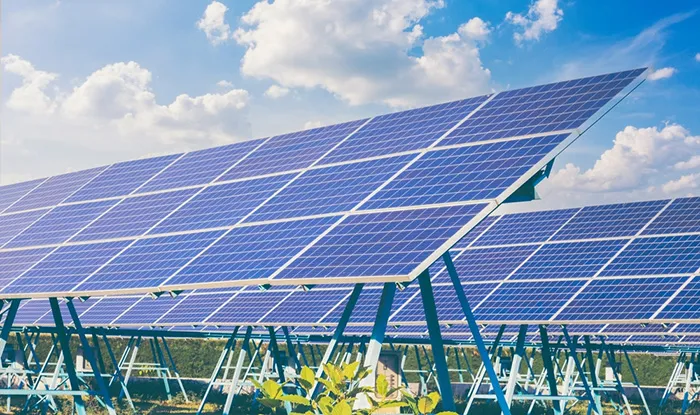
Earlier captive plants meant coal stacks and noisy generators. That picture is changing. Most new captive projects are renewable, often solar or wind. The economics work. Solar is now cheaper than the grid. Wind is less predictable, but structured well, it delivers value.
This is where the wind power purchase agreement India model matters. Instead of a utility, industries sign long-term deals with wind developers. They get fixed clean power costs for years ahead. For many, this is a way to shield themselves from price swings.
It is not accessible to every company. Only larger firms or groups of smaller ones can usually afford it. But it is no longer rare.
The Legal Dance
Rules around captive power are constantly debated. Regulators worry about losing revenue when industries leave the grid. Distribution companies are left with fewer paying customers but the same subsidy obligations.
Industries argue for easier rules. States push back to protect utility income. Courts end up balancing the two sides. Cases in Madhya Pradesh and Maharashtra show how contested this space is.
Even so, the direction is obvious. Industries want more control, and captive power makes that possible.
Beyond Economics
Reputation also plays a role. Export-oriented companies must show low-carbon supply chains. Grid power is still coal-heavy. Captive renewable projects, solar or wind, help meet ESG goals. That matters to global buyers and investors.
Not every project is perfect. Some solar farms are poorly planned. Some wind sites are weak. But for a company facing 18 percent tariff hikes, stable long-term costs are often worth more than perfect efficiency.
A Subtle Shift in Power Dynamics
Captive projects change bargaining power. Industries are no longer dependent on utilities. With their own generation, they can negotiate better terms.
This affects financing too. Banks prefer projects backed by strong industrial buyers rather than weak state utilities. That lowers capital costs and supports more renewable growth.
The Road Ahead
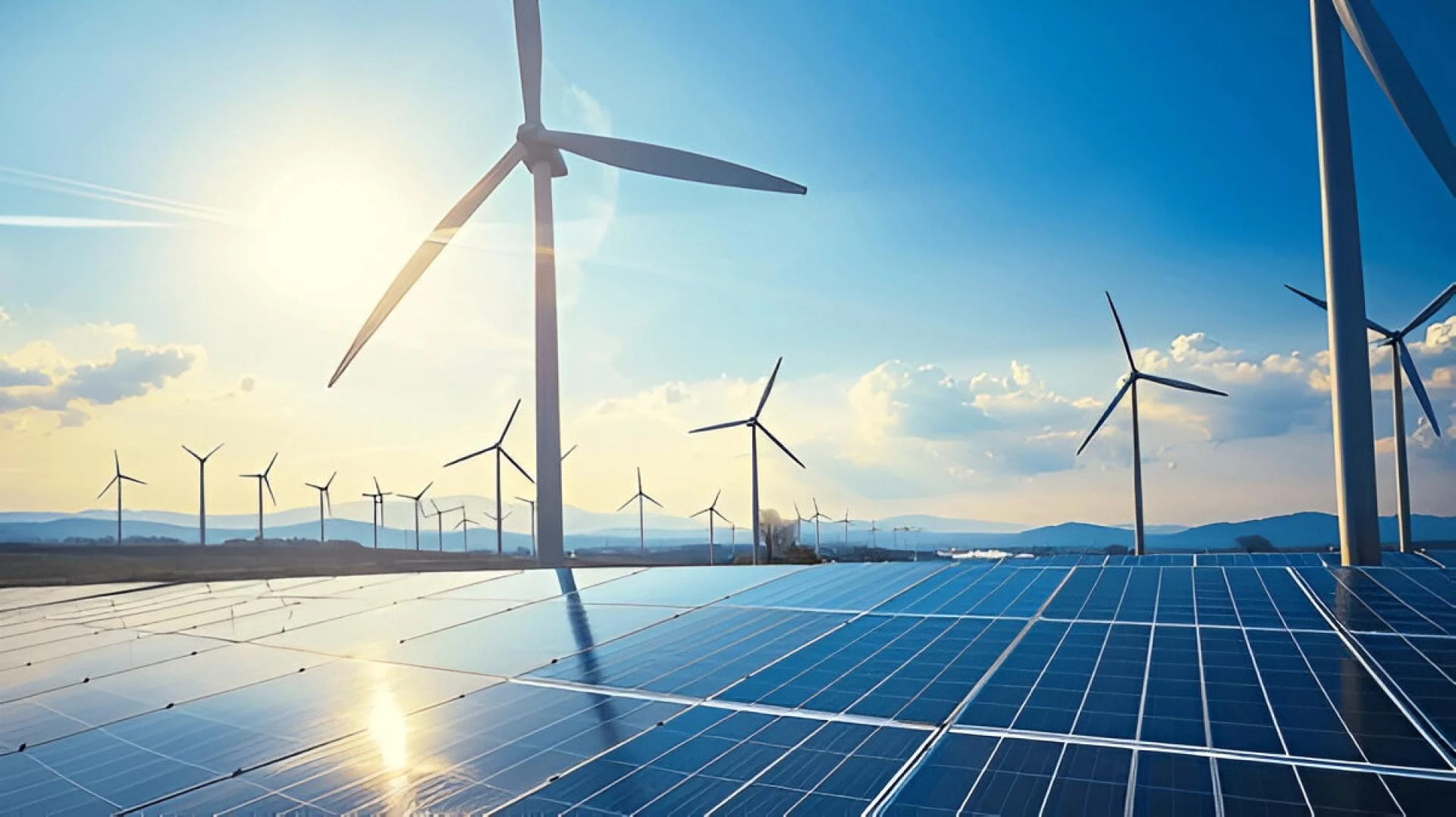
The future looks hybrid. Solar on its own is common. Wind with tailored agreements is growing. The next step is blended systems with solar, wind, storage, and sometimes small thermal backup. Together, they can give industries round-the-clock clean power at lower costs than the grid.
Regulators will resist. Utilities cannot afford to lose their biggest customers. But the trend is set. Industries will not return to dependence on discoms.
Decentralized energy may push utilities to rethink their role. Cross-subsidies are unsustainable. Change will be messy, but the transition has already begun.
Final thought.
Captive power is no longer a niche or a fallback. It is becoming the standard for companies that want stable prices, cleaner operations, and independence. Combined with tools like the wind power purchase agreement India now supports, it is reshaping how factories and industrial clusters meet their energy needs. The industrial energy map of India is shifting fast.


























Sign in to leave a comment.