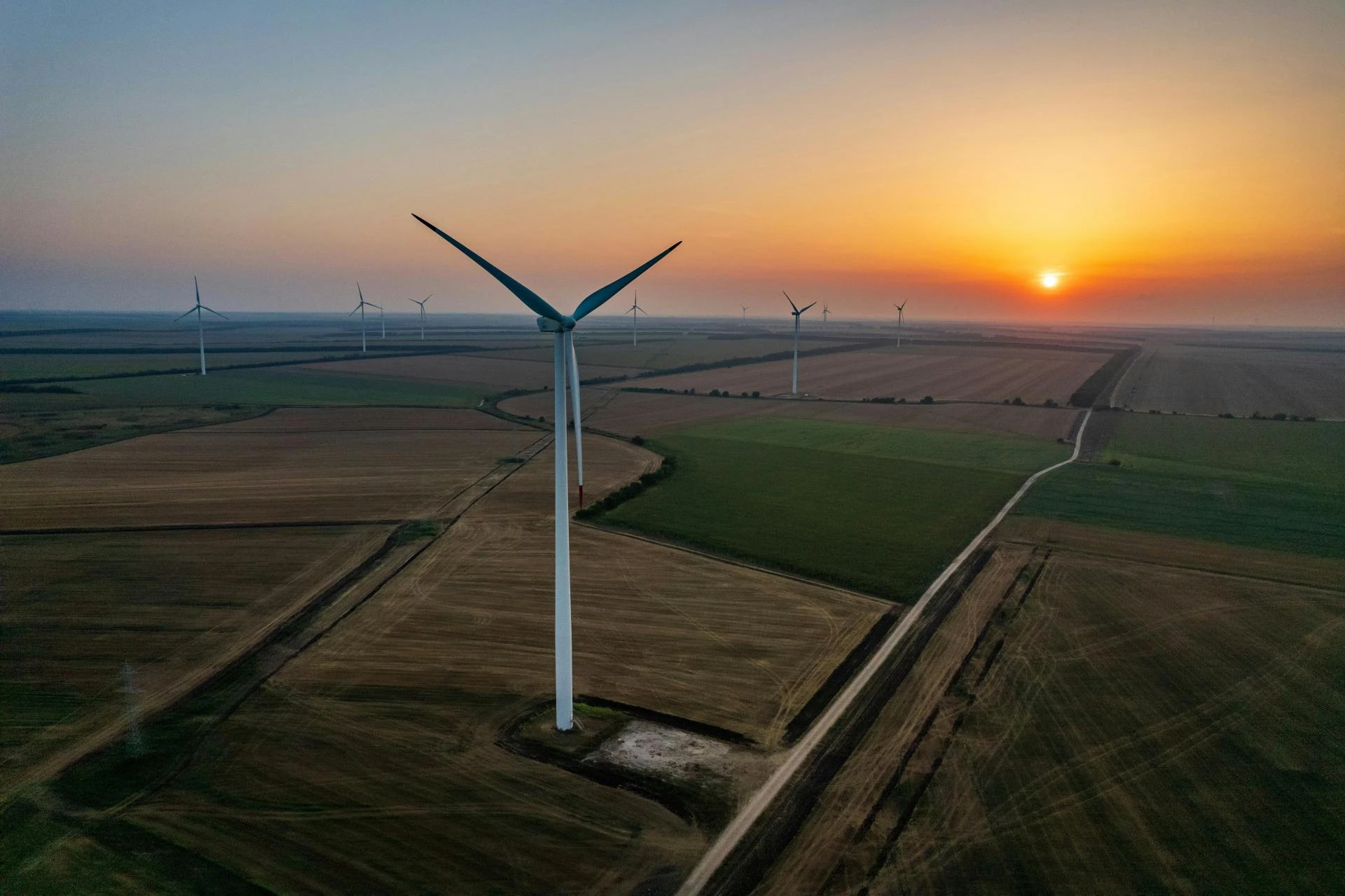

Wind energy gets plenty of attention from governments and investors. Turbines keep improving, and the headlines are big. But for independent power producers, getting projects financed is still one of the hardest parts.
The largest independent power companies can manage risk with big portfolios. Mid-sized producers struggle. And when it comes to wind power project financing, the barriers are real.
The Financing Maze
A wind farm is not a simple project. Developers spend years on permits, land agreements, and technical studies before turbines are ordered. Banks know the risks and make financing tough. Terms are strict, and due diligence is slow.
Independent producers don’t have the same balance sheets as utilities. They can’t lean on state-backed loans. To move forward, they have to convince lenders that one project can deliver steady returns for decades. That is difficult when power prices and policies shift constantly.
Risk Perception vs. Reality
Lenders often treat projects as riskier than they really are. A turbine model proven in the field may be flagged as “new” because warranties look different. Grid curtailment is another example. Banks factor in heavy penalties for it, even when it is not common in practice.
This gap between actual risk and perceived risk hurts producers. They face higher borrowing costs or demands for more collateral.
The Uneven Playing Field
Big producers can spread risk across projects. They have legal and financial teams that handle complex agreements with ease.
Small and mid-sized producers do not. They often work with one or two banks and a single equity partner. Deals take longer, and financing is less certain. This is why many smaller developers sell projects to larger players. The issue is not the engineering but the structure of financing.
Policy Promises vs. Financial Reality
Governments keep setting high renewable energy targets. India talks about 140 GW by 2030. The EU sets quotas. The U.S. offers tax credits. All of this looks positive.
But policy signals are not the same as bankable guarantees. Subsidies can change with elections. Auction prices push tariffs down so far that returns look thin. A tariff announced today may not apply by the time the project is ready.
Lenders often discount the optimistic policy talk and build scenarios where tariffs drop or incentives vanish. That makes deals harder to close.
Local Challenges, Global Money
Global investors are entering wind markets. Pension funds and infrastructure funds see opportunity. Their money helps, but it creates friction too.
Local issues like land acquisition or community consent take years of work. Global financiers often reduce this to a line item on a spreadsheet. The disconnect leaves independent producers carrying the heavy load while outsiders set the financial terms.
The Human Side of Financing
The process wears people down. Independent producers can spend years negotiating only to lose financing at the last moment. Interest rates rise, or rules change, and the project collapses.
For developers who care about more than profits, this is draining. They are building not just projects but trust with communities, and often the system does not reward that effort.
What Needs to Change
Financing does not need to be this rigid. Solar has seen new approaches like community bonds, green banks, and blended finance. Wind could benefit from the same.
Not every project needs to be massive. Smaller wind farms can deliver strong local value. But they need financing structures designed for that scale.
Lenders also need to rely more on the knowledge of producers who understand site conditions and grid operations. Their expertise can reduce the gap between perception and reality.
Closing Thoughts
Wind power will remain central to clean energy. The bottleneck is not the turbines or the sites. It is access to financing on fair terms.
The largest independent power producers will continue to dominate because they can absorb risk. But if smaller players keep getting squeezed out, the sector will lose diversity and local innovation.
Many projects are stuck today not because they are bad ideas, but because the money does not move. Until financing shifts, that gap will remain.






















Sign in to leave a comment.