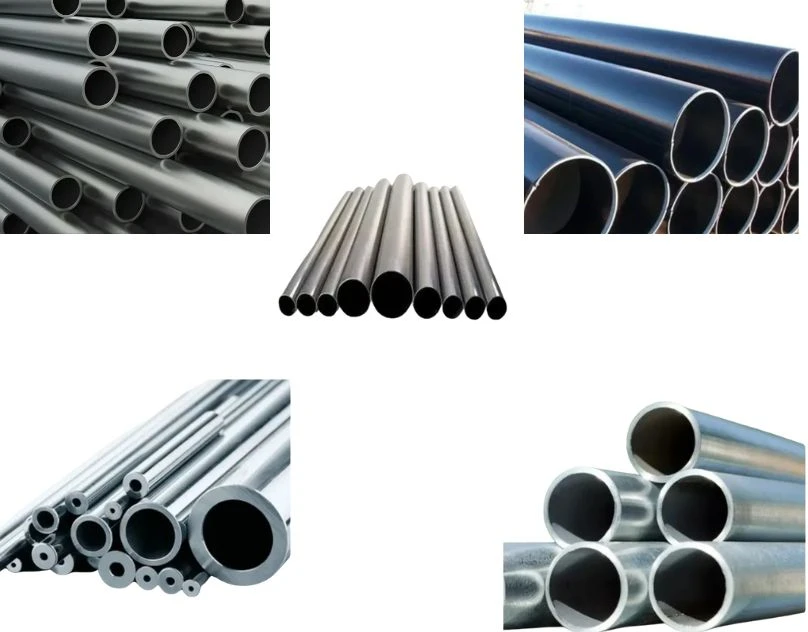
Industrial pipes and tubes form the backbone of modern infrastructure, energy systems, and manufacturing facilities. From fluid transportation to structural support, their role is critical across sectors such as oil & gas, power generation, construction, water management, and heavy engineering. Selecting the right pipe type based on material, manufacturing process, and service conditions directly affects safety, durability, and long-term operating costs. At the same time, consistent supply and technical clarity are equally important to keep projects on schedule.
A reliable B2B platform that enables industrial procurement teams to evaluate pipes and tubes across multiple specifications, sizes, and manufacturing types, helping organizations align sourcing decisions with operational requirements and long-term planning while supporting structured B2B Buyer and B2BSeller interactions.
Pipes and Tubes: The Foundation of Industrial Systems
Pipes and tubes are widely used for transporting liquids, gases, and slurries, as well as for structural and mechanical applications. While pipes are generally specified by nominal bore and schedule, tubes focus more on precise outside dimensions and thickness. This distinction makes pipes suitable for process industries and tubes ideal for fabrication, automotive, and mechanical uses. Quality control, dimensional tolerance, and material grade verification are key considerations to ensure performance consistency across applications.
ERW Pipes: Cost-Effective and Versatile
Electric Resistance Welded (ERW) pipes are manufactured by forming steel strips into cylindrical shapes and welding the seam using electrical resistance. These pipes offer uniform wall thickness, smooth surface finish, and economical production, making them a preferred choice for low- to medium-pressure applications. They are commonly used in water pipelines, scaffolding, fencing, and general structural works. Proper inspection of weld integrity and adherence to standards such as ASTM and IS specifications are essential for reliable use.
ERW Tubes: Precision for Structural and Mechanical Use
ERW tubes are valued for their dimensional accuracy and consistent mechanical properties. They are extensively used in automotive components, furniture, construction frames, and engineering structures. Compared to pipes, ERW tubes are often selected where tight tolerances and clean surface finish are required. Attention to straightness, ovality, and surface condition helps ensure smooth fabrication and long service life in demanding applications.
Welded Pipes: Practical for General Engineering
Welded pipes are produced by rolling steel plates or coils and welding the longitudinal or spiral seam. They are widely used in structural applications, low-pressure fluid transfer, and industrial fabrication. These pipes offer flexibility in terms of size availability and cost advantages over seamless options. For effective deployment, it is important to assess weld testing methods, pressure limitations, and suitability for the intended operating environment.
Stainless Steel Seamless Pipes: Strength Without Compromise
Stainless steel seamless pipes are manufactured without a welded joint, offering superior strength, uniform structure, and excellent resistance to pressure and corrosion. They are ideal for high-temperature, high-pressure, and corrosive environments, such as those found in chemical processing, oil & gas, pharmaceuticals, and marine applications. Verification of chemical composition, heat treatment, and compliance with international standards ensures reliable performance in critical systems.
Balancing Performance, Supply, and Long-Term Value
Across all pipe categories, the right selection depends on service conditions, regulatory requirements, and lifecycle expectations. Evaluating material grades, manufacturing methods, testing certifications, and availability helps reduce operational risks and unexpected downtime. Transparent specifications and dependable sourcing channels also contribute to smoother project execution and better inventory planning.
In today’s industrial environment, pipes and tubes are more than commodity products they are engineered components that influence system efficiency and safety. By understanding the strengths of ERW, welded, and seamless pipe solutions and leveraging structured sourcing platforms, organizations can achieve better alignment between technical needs, supply reliability, and long-term operational goals.




















Sign in to leave a comment.