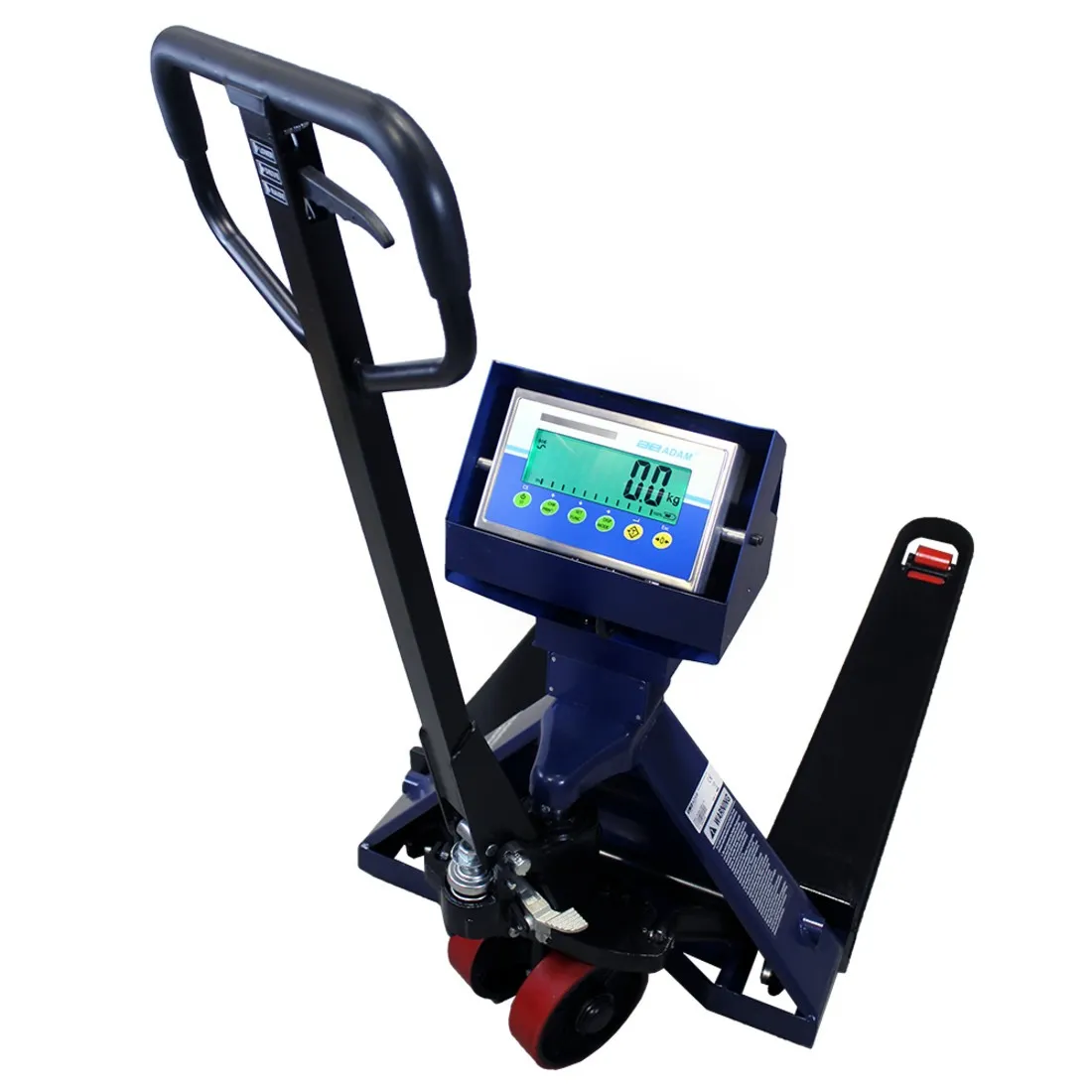

Industrial weighing scales are an important part of many workplaces where materials, products, components, or heavy loads need to be measured accurately. From manufacturing and logistics to food production, agriculture, warehousing, and waste management, reliable weighing equipment can support everyday processes and help businesses maintain consistent results.
Unlike basic household or retail scales, industrial weighing scales are designed for demanding working environments. They can be built to handle heavier loads, frequent use, and conditions where dust, moisture, vibration, or rough handling may be present.
Choosing the right scale is therefore about more than selecting a suitable capacity. The application, environment, accuracy requirements, platform size, connectivity, and compliance requirements can all influence which weighing solution is appropriate.
What Are Industrial Weighing Scales?
Industrial weighing scales are weighing instruments designed for commercial and industrial applications. They are available in different sizes, capacities, and configurations to suit everything from relatively small components to heavy pallets, containers, drums, machinery, and other loads.
Many modern industrial scales use load cells to detect the force applied by a load and convert it into a weight measurement. Digital indicators then display the result, while some systems can transfer weighing data to computers, printers, production systems, or other equipment.
The right industrial scale can make routine weighing quicker and more consistent while providing useful information for stock control, production, quality checks, and shipping.
Common Types of Industrial Weighing Scales
Industrial weighing equipment is available in several formats. Each type is suited to different applications.
Bench Scales
Bench scales are compact solutions designed for use on a workbench, counter, or other stable surface. They are useful for manufacturing, packaging, parts counting, check weighing, and general industrial weighing.
Their relatively small footprint makes them practical where workspace is limited.
Platform and Floor Scales
Platform and floor scales are designed for larger and heavier items. Depending on the model, they can be used to weigh boxes, crates, drums, pallets, machinery, and other bulky loads.
These scales are commonly used in warehouses, factories, production areas, and dispatch departments where heavy items need to be weighed efficiently.
Pallet Scales
Pallet scales provide a convenient way to weigh palletised goods. Their design allows businesses to measure heavy loads without relying on smaller bench equipment.
They can be particularly useful in logistics, manufacturing, warehousing, and goods-in or dispatch areas.
Pallet Truck Scales
Pallet truck scales combine material movement and weighing in one system. The weighing equipment is incorporated into the pallet truck, allowing operators to measure loads while moving them around a warehouse or workplace.
This can reduce the need to transport goods to a separate weighing station.
Crane and Hanging Scales
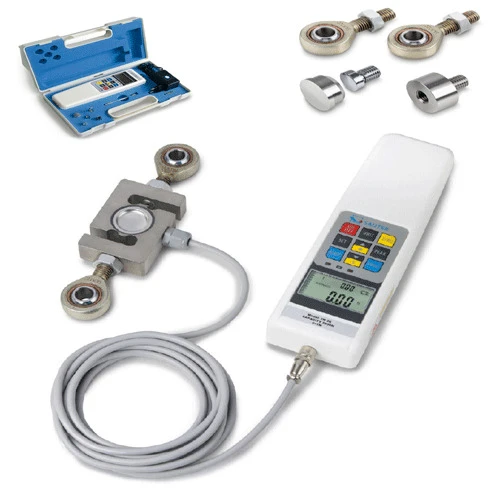
Crane scales are suspended from lifting equipment and are designed for weighing loads that may be difficult to place on a conventional platform.
They can be suitable for applications involving heavy machinery, metal products, manufacturing components, and other suspended loads.
Counting Scales
Counting scales use weight information to determine the quantity of identical items. They can be useful when businesses need to count screws, bolts, components, fasteners, or other small parts.
This can make inventory and packing processes faster while reducing the need for manual counting.
Where Are Industrial Weighing Scales Used?
Industrial scales are used across a wide range of sectors because accurate weight information can support many different processes.
Manufacturing
Manufacturers may use weighing scales to measure raw materials, components, ingredients, and finished products. Weighing can also form part of quality control, batching, formulation, and production checks.
A consistent weighing process can help identify variations before products move further through production.
Warehousing and Logistics
Warehouses often need to weigh incoming goods, outgoing shipments, pallets, containers, and individual products. Accurate weight data can support inventory management and help determine shipping information.
Portable and pallet-based weighing solutions can also make weighing easier within busy warehouse environments.
Food and Beverage
Food manufacturers frequently weigh ingredients and finished products. Consistent measurements can help maintain recipes, portion sizes, packaging weights, and production standards.
Depending on the environment, businesses may also need equipment designed for cleaning, moisture exposure, or hygiene-sensitive areas.
Agriculture
Agricultural operations can use weighing equipment for crops, feed, livestock, fertiliser, and other materials. The required scale depends heavily on the size and type of load being measured.
Construction
Construction and material-handling environments may need to weigh aggregates, cement, equipment, waste, and other heavy materials. High-capacity weighing equipment can be particularly useful where large or bulky loads are involved.
Waste and Recycling
Waste management companies may use industrial weighing scales to measure incoming and outgoing materials. Weight data can assist with recording quantities, operational planning, and charging processes.
How to Choose the Right Industrial Weighing Scale
Selecting an industrial scale should begin with the intended application. Consider the following factors before making a decision.
Maximum load: Determine the heaviest item that will normally be weighed. The scale should have an appropriate capacity rather than being selected solely on price.
Readability: Consider how precise the measurement needs to be. A scale used for heavy pallets may have different readability requirements from one used for small components.
Platform size: The weighing platform needs to accommodate the items being measured safely and comfortably.
Operating environment: Dust, water, temperature changes, chemicals, vibration, and frequent cleaning can affect equipment selection. Certain applications may require specialist construction or protection.
Frequency of use: A scale used continuously in a busy production environment may require a more robust design than equipment used occasionally.
Connectivity: Some modern weighing scales can connect with printers, computers, software, or other systems. This can help businesses record and manage weight data more efficiently.
Compliance: Certain applications may require trade-approved equipment, certification, or other compliance considerations. Requirements should be checked according to how and where the scale will be used.
Why Accuracy Matters
Accurate weighing is important because weight measurements can influence many business processes. Incorrect measurements may affect stock records, production quantities, product consistency, shipping information, or commercial transactions.
Regular checks and appropriate calibration can help identify weighing errors before they become a larger operational problem. Calibration involves comparing the performance of a weighing instrument against known reference standards.
For businesses that rely heavily on accurate measurements, ongoing maintenance and recalibration can be just as important as selecting the initial equipment.
Industrial Scales and Data Management
Modern weighing equipment is increasingly connected to wider business processes. Depending on the equipment, weight information can be transferred electronically rather than being recorded manually.
Digital data can support inventory systems, production records, quality-control procedures, and shipping processes. Reducing manual data entry may also help minimise transcription errors.
For larger operations, integrating weighing equipment with existing systems can make the overall process more streamlined.
Industrial Weighing Equipment from Scales And Balances
Scales And Balances supplies weighing equipment for commercial, industrial, and laboratory applications. Its range includes industrial weighing scales, electronic balances, and certified calibration weights.
The business also provides services such as test weight recalibration, which can help organisations maintain the accuracy and performance of their weighing equipment over time.
When choosing industrial weighing scales, it is useful to consider the complete requirement rather than focusing on capacity alone. The weighing environment, type of load, required readability, frequency of use, platform dimensions, data requirements, and calibration needs can all influence the most suitable option.
Frequently Asked Questions
What are industrial weighing scales used for?
Industrial weighing scales are used to measure materials, products, components, pallets, containers, and other loads in workplaces such as factories, warehouses, logistics centres, food production facilities, construction sites, and agricultural operations.
What type of industrial scale is best for pallets?
Platform, floor, or pallet scales are commonly used for palletised goods. The best option depends on the pallet size, load capacity, available space, and how the pallets are moved around the workplace.
How often should industrial scales be calibrated?
The appropriate calibration frequency depends on the scale, application, usage level, operating environment, and quality or compliance requirements. Businesses should establish a suitable inspection and calibration schedule based on their specific circumstances.
Are industrial weighing scales suitable for wet environments?
Some industrial scales are designed for environments where water or regular cleaning is expected. Stainless steel or appropriately protected models may be suitable for certain wet applications, but the equipment specification should always be checked before use.
Can industrial scales connect to other systems?
Many modern digital scales offer connectivity options that allow weight information to be transferred to printers, computers, software, or other systems. The available connections depend on the individual model.
How do I choose the correct capacity?
Start by identifying the maximum load you expect to weigh and consider the dimensions and characteristics of the load. The scale should be selected according to the actual application and manufacturer specifications rather than simply choosing the highest available capacity.
Why is calibration important for industrial scales?
Calibration helps verify whether a weighing instrument is producing measurements within an acceptable range against a known reference. Regular calibration can support consistent results, quality procedures, and applicable compliance requirements.
Conclusion
Industrial weighing scales support a wide variety of commercial and industrial processes, from measuring raw materials and components to checking finished products, pallets, and heavy loads. With different options available, businesses can select equipment based on their particular weighing requirements, environment, capacity, and accuracy needs.
A suitable weighing system can contribute to better production control, inventory management, quality checks, and day-to-day efficiency. Regular inspection, appropriate maintenance, and calibration can further help maintain dependable weighing performance.
For businesses reviewing their weighing requirements, understanding the application first is the most practical starting point. From bench and platform scales to pallet, counting, crane, and high-capacity solutions, the right industrial weighing scales should match the demands of the workplace and the loads being measured.

























Sign in to leave a comment.