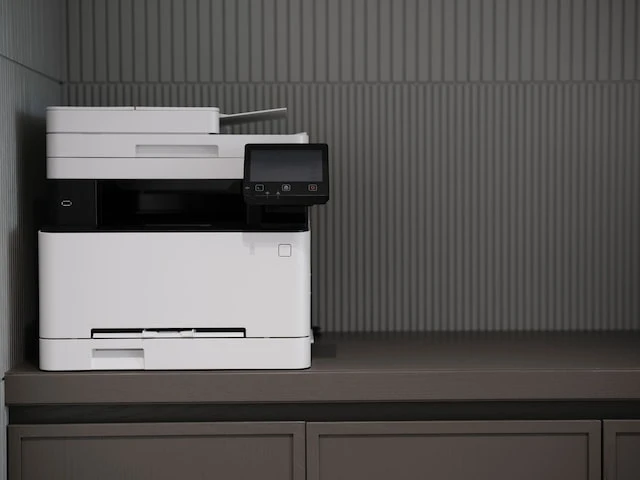

When it comes to printing, one of the most important decisions you'll have to make is whether to use ink or toner. Ink and toner are the two most common types of printer consumables, and each has its own unique set of advantages and disadvantages. In this blog post, we'll take a closer look at the differences between ink and toner, and help you decide which type of printer is best for your needs.
Composition and Functionality
When it comes to composition, ink and toner are very different. Ink is a liquid or paste made of pigments or dyes, while toner is a powder made of pigments or plastic particles. This difference in composition translates into different functionality as well. Ink is more versatile and can produce a wider range of colors, making it ideal for printing high-quality photos and graphics. In fact, according to a survey by the International Digital Enterprise Alliance (IDEA), 89% of consumers believe that inkjet printers produce better quality photos than laser printers. This is because inkjet printers use tiny nozzles to spray droplets of ink onto paper, allowing for a wider range of color variations and more accurate color reproduction.
An example of this is when you print a photo of a sunset, you can see the different shades of orange, yellow, and red that make up the image, whereas toner-based printers are better suited for text and graphics. On the other hand, toner produces sharper text and graphics and is more durable. This is because toner particles are fused to the paper during the printing process, resulting in a more permanent print. Toner-based printers, also known as laser printers, use a laser beam to heat toner particles which then stick to the paper. This results in sharper text and graphics, and is perfect for printing documents and presentations.
Cost
When it comes to cost, ink and toner are also very different. Ink can be expensive, especially for color printing. According to a study by the Consumer Reports National Research Center, the cost of ink per page can be as much as 10 times higher than the cost of toner per page. This means that if you do a lot of color printing, you may end up spending a lot of money on ink. For example, if you're printing a monthly newsletter that includes a lot of color graphics, an inkjet printer may not be the most cost-effective option. On the other hand, toner is typically more cost-effective, especially for black and white printing.
According to the same study, the cost of toner per page is typically less than half the cost of ink per page. This makes laser printers a great option for printing large volumes of black and white documents, such as a monthly report. However, when it comes to cost, it's important to keep in mind that the upfront cost of a toner-based printer may be higher than that of an inkjet printer, but over time, you may end up spending more on toner replacement. Additionally, the cost of replacement toner cartridges can vary widely depending on the brand and model of the printer, so it's important to do your research before making a purchase.
Print Quality
When it comes to print quality, ink and toner are again, very different. Ink produces high-quality, vibrant images and graphics, making it ideal for printing photos and graphics. For example, if you're printing a wedding photo album, you'll probably want to use an inkjet printer to ensure that the photos are vibrant and of the highest quality. Many high-end inkjet printers now offer a wide color gamut, meaning that they can produce a greater range of colors than traditional inkjet printers, resulting in even more vibrant and accurate color reproduction. Additionally, many inkjet printers now offer features such as borderless printing, which allows you to print photos and graphics that extend to the edge of the paper. This can be especially useful for creating professional-looking photo albums or presentations.
On the other hand, toner produces sharp, clear text and graphics, making it ideal for printing text and graphics. For example, if you're printing a business report, you'll probably want to use a laser printer to ensure that the text is sharp and easy to read. Additionally, toner-based printers are great for printing large volumes of text-heavy documents, such as contracts, resumes, and other business documents. Many laser printers now offer features such as automatic duplex printing, which allows you to print on both sides of the paper without having to manually flip it over. This can save you time and money on paper costs.
Cartridges and Maintenance
When it comes to cartridges and maintenance, ink and toner are once again, very different. Ink cartridges need to be replaced frequently, and can be messy to handle. According to a survey by the International Data Corporation (IDC), on average, inkjet printer users replace their cartridges every 4-6 months. Additionally, ink cartridges can be prone to drying out or clogging, especially if the printer is not used frequently. This can result in poor print quality and wasted ink.
On the other hand, toner cartridges last longer, but can be more difficult to replace. Toner cartridges typically need to be replaced every 6-12 months, depending on the amount of printing you do. Additionally, some toner cartridges can be difficult to install, especially if you're not familiar with the printer. However, toner-based printers are more eco-friendly, as they produce less waste. Toner cartridges can be recycled, whereas used ink cartridges can cause pollution if not disposed of properly.
Conclusion
In conclusion, both ink and toner have their own unique set of advantages and disadvantages. Ink is more versatile and produces high-quality, vibrant images and graphics, making it ideal for printing photos and graphics. Toner produces sharp, clear text and graphics, making it ideal for printing text and graphics. When it comes to cost, ink can be expensive, especially for color printing, while toner is typically more cost-effective, especially for black and white printing. Ink cartridges need to be replaced frequently, and can be messy to handle, while toner cartridges last longer, but can be more difficult to replace. Ultimately, the decision of whether to use ink or toner depends on your specific needs and budget. Consider the type of printing you'll be doing most frequently, and how much you're willing to spend in the long run. Keep in mind that both inkjet and laser printers are great options, and the best one for you depends on your specific needs and preferences.
























Sign in to leave a comment.