
Introduction
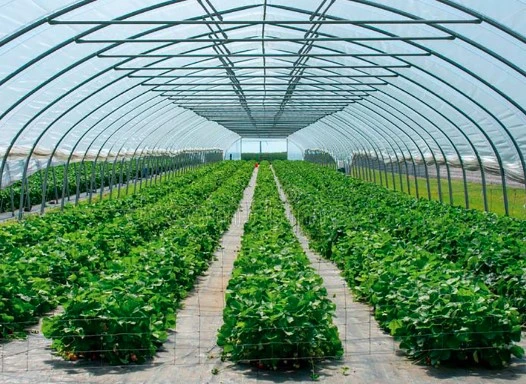
Innovations in greenhouse technology are reshaping the Protected Cultivation Industry, offering advanced solutions for efficient and sustainable crop production. This blog explores the latest trends in greenhouse technology, their impact on protected cultivation, and the opportunities they present for growers and industry stakeholders.
Greenhouse Technology Market Growth
The greenhouse technology market for protected cultivation has experienced significant growth, with a market value of $18.5 billion in 2023. Projections suggest a strong CAGR of 10% - 12%, leading to an estimated market size of $30.2 - 35.8 billion by 2028. This growth is driven by the increasing adoption of advanced greenhouse solutions, the demand for year-round crop production, and the focus on sustainable farming practices.
Advanced Climate Control Systems
Smart Sensors and Automation
Innovations in climate control systems integrate smart sensors, automated ventilation, and climate monitoring tools to optimize crop growth conditions. These technologies enhance resource utilization, improve crop quality, and mitigate environmental risks, driving efficiency and productivity in protected cultivation.
Energy-Efficient Designs
Greenhouse manufacturers are incorporating energy-efficient designs, such as solar panels, energy-efficient glazing materials, and insulation systems, to reduce energy consumption and lower operational costs. These designs promote sustainability, minimize environmental footprint, and enhance overall crop production.
Vertical Farming Solutions
Hydroponics and Aeroponics
Vertical farming solutions leverage hydroponics and aeroponics to maximize space utilization and crop density. These systems integrate LED lighting, nutrient solutions, and controlled environments to optimize crop growth, increase productivity, and minimize environmental impact.
Market Opportunities and Challenges
Opportunities
Resource Efficiency: Advanced greenhouse technology solutions optimize resource utilization, reduce water consumption, and minimize environmental impact, leading to increased efficiency and productivity.Local Food Production: Greenhouse technology contributes to local food production, urban agriculture, and food security, providing fresh, nutritious produce to urban communities.Innovation and Collaboration: The adoption of advanced greenhouse technologies fosters innovation, collaboration, and knowledge sharing within the industry, driving continuous improvement and industry growth.Challenges
Technological Integration: Implementing and managing advanced greenhouse technologies require specialized knowledge, training, and technical expertise, highlighting the need for continuous education and skill development within the industry.Regulatory Compliance: Adhering to environmental regulations, energy efficiency standards, and sustainability certifications can pose challenges for greenhouse manufacturers, necessitating compliance measures and industry best practices.Market Competition: As the greenhouse technology market expands, competition among growers, suppliers, and technology providers intensifies, requiring differentiation strategies, value-added offerings, and continuous innovation to stay competitive in the market.Conclusion
Innovations in greenhouse technology are driving enhanced protected cultivation practices, offering sustainable solutions for efficient crop production. By embracing advanced climate control systems, energy-efficient designs, and vertical farming solutions, growers and stakeholders can lead the way in sustainable agriculture practices and drive industry growth.

























Sign in to leave a comment.