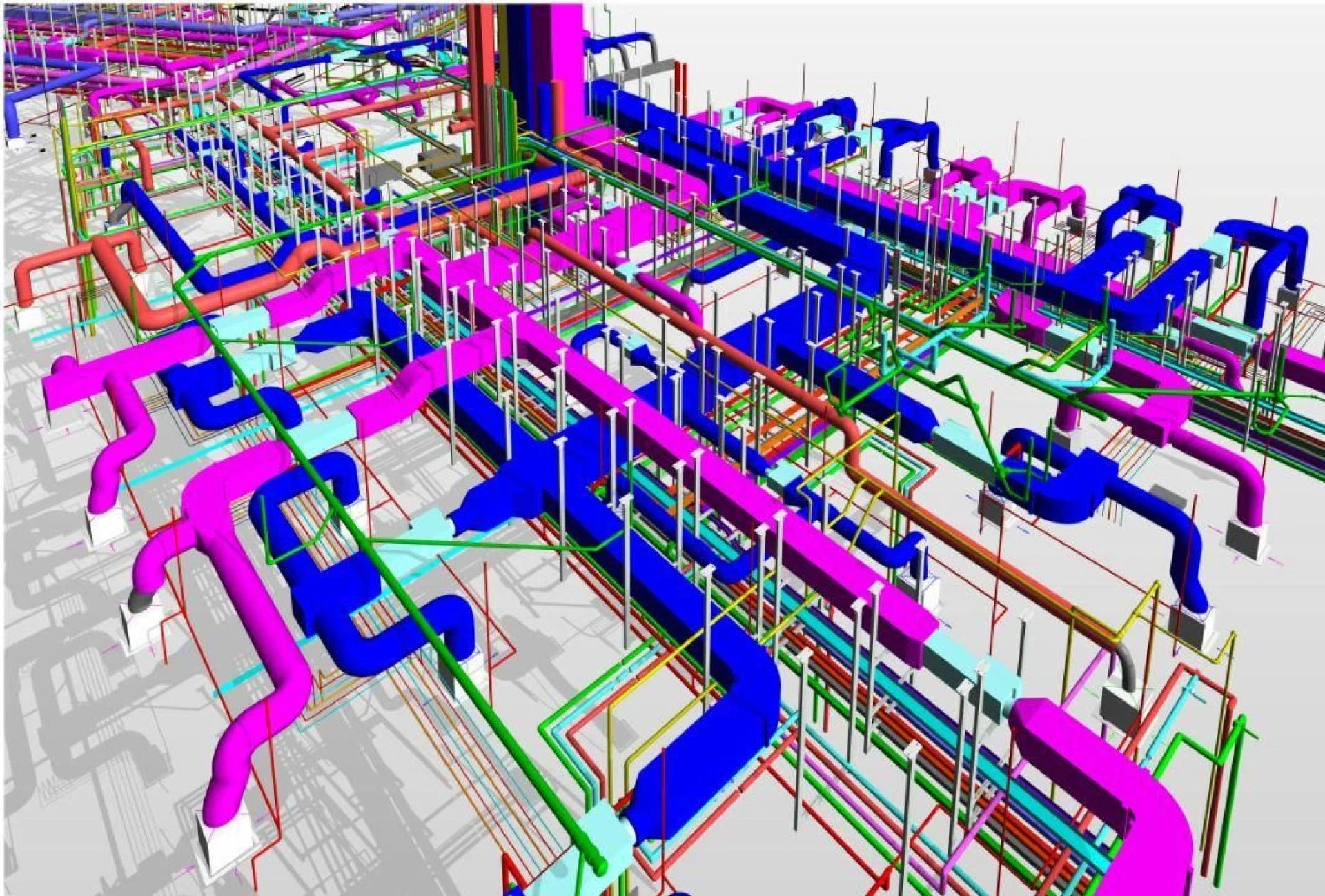
In the realm of construction, the intricate amalgamation of Mechanical, Electrical, and Plumbing (MEP) services represents the backbone of modern building infrastructure. The continuous evolution and innovations within MEP services are reshaping building standards, driving efficiency, sustainability, and performance in construction projects.
The Evolution of MEP Services
MEP services have undergone a remarkable evolution, transitioning from conventional systems to cutting-edge technologies. This evolution is characterized by advancements in design, installation methods, energy efficiency, and the integration of smart systems. It's a journey from basic functionality to holistic solutions that optimize building performance.
Integration of Smart Technologies
The integration of smart technologies is revolutionizing MEP services. From IoT-enabled sensors for predictive maintenance to Building Management Systems (BMS) that optimize energy consumption, smart MEP solutions are enhancing operational efficiency, reducing costs, and improving occupant comfort within buildings.
Energy Efficiency and Sustainability
The focus on energy efficiency and sustainability has propelled innovations in MEP services. Energy-efficient HVAC systems, renewable energy integration, water-saving plumbing fixtures, and intelligent lighting systems are just a few examples reshaping building designs to meet stringent environmental standards and reduce carbon footprints.
Role in Building Performance
MEP services play a pivotal role in enhancing building performance. The seamless coordination between mechanical, electrical, and plumbing systems ensures optimal functionality, comfort, and safety within structures. From climate control to fire safety and water distribution, MEP services are integral to maintaining high-performance buildings.
Adaptability and Flexibility
Modern MEP solutions emphasize adaptability and flexibility. Modular systems and designs facilitate easier maintenance, upgrades, and alterations to accommodate future technological advancements or changes in building use. This adaptability ensures that buildings remain relevant and efficient throughout their lifecycle.
Impact on User Experience
The advancements in MEP services directly influence the user experience within buildings. Comfortable indoor environments with controlled temperatures, adequate lighting, efficient water supply, and reliable electrical systems significantly enhance occupant satisfaction, productivity, and overall well-being.
Compliance with Regulations and Standards
The evolution of MEP services aligns with stringent regulations and building standards. Compliance with codes and standards ensures the safety, durability, and efficiency of structures. Innovations within MEP services consistently strive to meet and exceed these regulatory requirements.
Challenges and Future Trends
While innovations in MEP services bring numerous benefits, challenges persist. These include balancing cost-effectiveness with high-tech solutions, addressing the skills gap in adopting new technologies, and ensuring seamless integration among various MEP components. The future trends focus on even greater automation, enhanced connectivity, and AI-driven systems.
Sustainable Practices and Green Building Certifications
The integration of sustainable practices within MEP services contributes to obtaining green building certifications. Leadership in Energy and Environmental Design (LEED) and other certifications acknowledge and incentivize buildings that prioritize sustainability through MEP innovations.
Advanced HVAC Systems
Innovations in Heating, Ventilation, and Air Conditioning (HVAC) systems are revolutionizing MEP services. High-efficiency HVAC units with variable refrigerant flow (VRF) technology offer precise temperature control, energy savings, and improved occupant comfort. Additionally, the integration of smart sensors and automated controls optimizes HVAC operation, adjusting settings based on occupancy and environmental conditions.
Renewable Energy Integration
The integration of renewable energy sources within MEP services is transforming building energy profiles. Solar panels, wind turbines, and geothermal systems are seamlessly integrated into MEP designs to generate clean energy. Net-zero energy buildings, capable of producing as much energy as they consume, showcase the potential of these innovations in reducing reliance on conventional energy sources.
Water Conservation Technologies
Advancements in plumbing and water conservation technologies contribute significantly to sustainable MEP solutions. Low-flow fixtures, greywater recycling systems, and smart irrigation technologies minimize water wastage, promoting efficient water use within buildings. These innovations align with global sustainability goals and reduce the strain on local water resources.
Intelligent Lighting Systems
Intelligent lighting systems are at the forefront of MEP innovations, offering enhanced energy efficiency and occupant comfort. LED lighting with automated controls and occupancy sensors ensures optimal lighting levels while minimizing energy consumption. Daylight harvesting systems utilize natural light, further reducing reliance on artificial lighting during daylight hours.
Building Information Modeling (BIM)
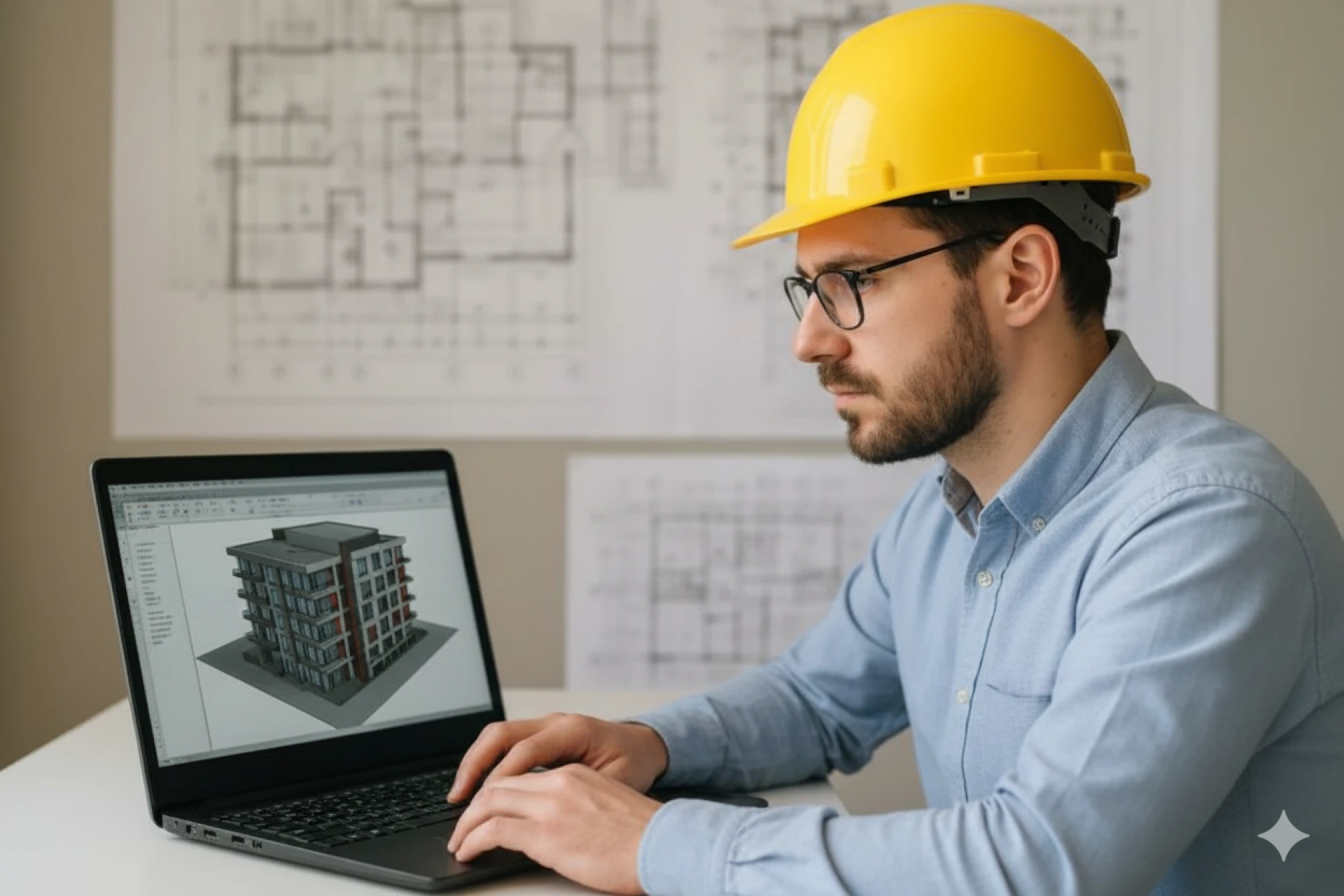
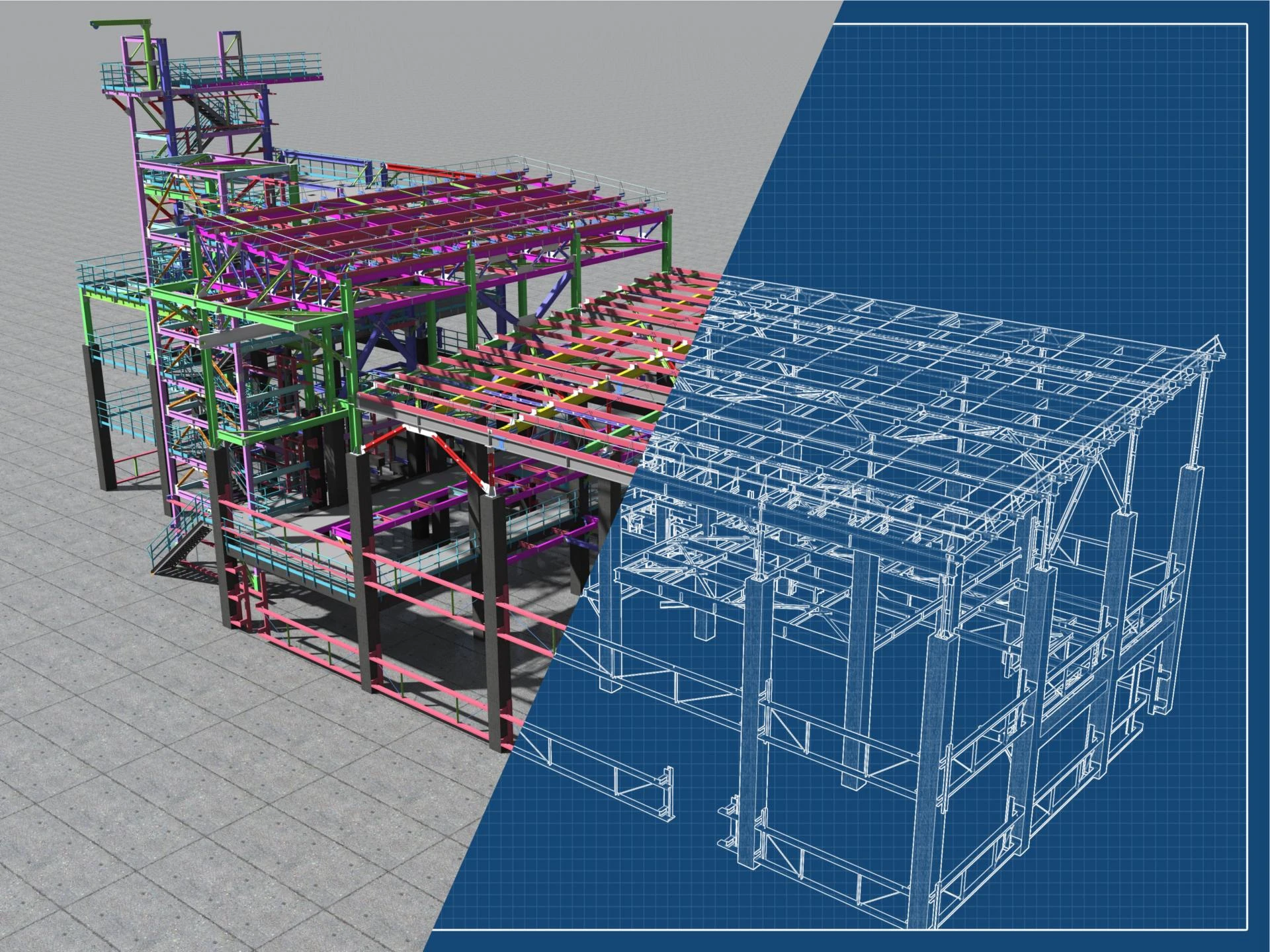
The adoption of Building Information Modeling (BIM) in MEP services revolutionizes the design and coordination process. BIM facilitates collaboration among architects, engineers, and contractors, enabling accurate modeling of MEP systems within building designs. This integration minimizes clashes, improves coordination, and streamlines construction processes, ultimately enhancing project efficiency.
Internet of Things (IoT) in MEP
The Internet of Things (IoT) is reshaping MEP services by connecting devices and systems for smarter buildings. IoT-enabled sensors monitor equipment performance, detect faults, and optimize system operations in real-time. Predictive maintenance powered by IoT data reduces downtime and prolongs the lifespan of MEP systems.
Energy Storage Solutions
Innovative energy storage solutions integrated into MEP services optimize energy usage. Battery storage systems store excess renewable energy for later use, ensuring continuous power supply and enabling buildings to operate off-grid during peak demand periods or in emergency situations.
Enhanced Fire Safety Systems
Advancements in fire safety systems within MEP services focus on early detection and rapid response. Smart fire alarm systems with advanced sensors and integrated communication networks improve response times, minimize false alarms, and enhance overall building safety.
Human-Centric Design Approaches
MEP innovations are increasingly embracing human-centric design approaches. Systems that prioritize occupant health and well-being, such as air purification technologies, circadian lighting systems, and acoustical considerations, create healthier indoor environments and elevate user experiences.
Predictive Analytics and AI in MEP
The integration of predictive analytics and Artificial Intelligence (AI) in MEP services offers proactive insights. AI-driven algorithms analyze data patterns, forecast system behavior, and recommend optimizations, empowering building managers to make informed decisions for continuous efficiency improvements.
Conclusion
In conclusion, the transformative journey of MEP services continues to redefine building standards. ENGISOFT ENGINEERING - BIM Staffing & BIM Services innovations in MEP services not only enhance operational efficiency, sustainability, and user comfort but also align buildings with evolving environmental and regulatory demands. The relentless pursuit of innovation within MEP services is fundamental to creating smarter, more efficient, and sustainable structures for the future.




Sign in to leave a comment.