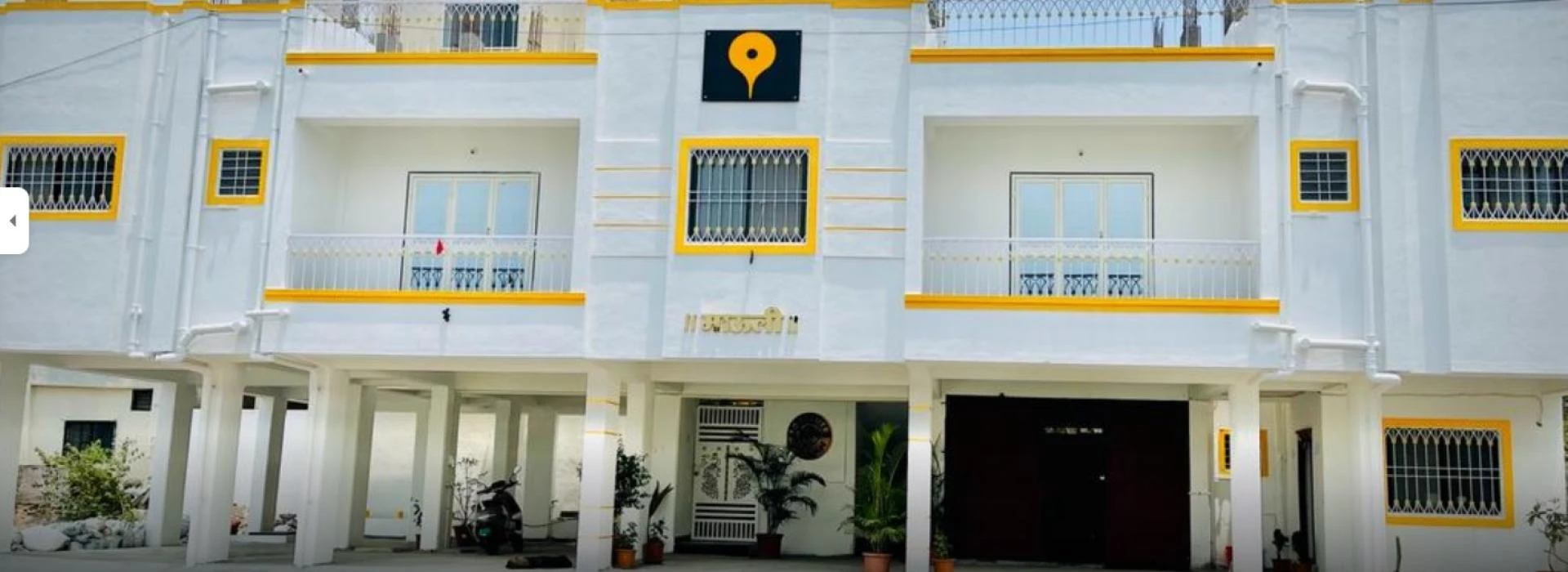

Addiction is a complex and chronic disease that affects millions of individuals worldwide. Traditional approaches to addiction treatment, such as individual counseling and 12-step programs, have been effective for many people. However, as our understanding of addiction deepens, researchers and clinicians are exploring new frontiers in therapeutic interventions to address the unique needs of those struggling with substance use disorders (SUDs).
One area of innovation in addiction treatment at rehabilitation centre in India is the integration of technology into therapeutic interventions. Technology-based interventions can provide individuals with continuous support and access to evidence-based treatment tools outside of traditional therapy sessions. These interventions can range from smartphone apps for self-monitoring and relapse prevention to virtual reality programs for exposure therapy.
For example, smartphone apps can be used to track daily substance use, mood fluctuations, and triggers for drug cravings. They can also provide interactive exercises and reminders for coping strategies and healthy behaviors. Virtual reality programs offer a simulated environment tailored to the individual's specific triggers, allowing them to practice coping skills in a controlled setting.
Another innovative approach gaining attention is neurofeedback therapy. This technique involves using real-time displays of brain activity to help individuals learn to self-regulate their brain function. By training individuals to increase their alpha brain waves and decrease their beta waves, neurofeedback therapy aims to improve emotional regulation, impulse control, and overall well-being. Preliminary studies have shown promising results, but further research is needed to establish its efficacy as a standalone or complementary treatment for addiction.
Additionally, holistic approaches to addiction treatment are gaining recognition. These approaches recognize that addiction affects not only the individual's physical health but also their mental, emotional, and spiritual well-being. Holistic interventions may include practices such as yoga, meditation, art therapy, and acupuncture. These non-traditional therapies can help individuals reduce stress, enhance self-awareness, and develop healthier coping mechanisms.
Furthermore, family-based interventions have emerged as a crucial component of addiction treatment. Substance use disorders often have a profound impact on the entire family system, and involving family members in the treatment process can improve outcomes. Family therapy sessions can address underlying family dynamics, communication patterns, and provide support and education to family members on how to best support their loved one's recovery journey.
Innovative therapeutic interventions also extend beyond the individual level and include community-wide approaches. Community mobilization and awareness campaigns play an essential role in creating drug-free communities. By educating the public about addiction as a treatable disease and the availability of treatment options, communities can reduce the stigma associated with substance use disorders and encourage individuals to seek help.
It is important to note that while these innovative interventions hold promise, they should not replace evidence-based treatments that have been proven effective. Rather, they should be integrated into comprehensive treatment plans tailored to the individual's unique needs and preferences.
In conclusion, the field of addiction treatment is continuously evolving, and innovative therapeutic interventions are expanding the horizons of treatment options for individuals struggling with substance use disorders. Technology-based interventions, neurofeedback therapy, holistic approaches, family-based interventions, and community mobilization all offer new frontiers in the fight against addiction. As researchers continue to explore these innovative interventions, it is vital to ensure they are supported by rigorous research and integrated into comprehensive and individualized treatment plans. By embracing these new frontiers, we can hope to provide more effective and holistic care for those seeking recovery from addiction.
LifeLine Foundation Pune
Address: Sr. No 94, police station, 2B 1/1/7, Rajiv Gandhi colony, behind Mohammedwadi Road, Tarawade Vasti, Undri, Pune, Maharashtra 411060
Mobile: +91-7311111024



























Sign in to leave a comment.