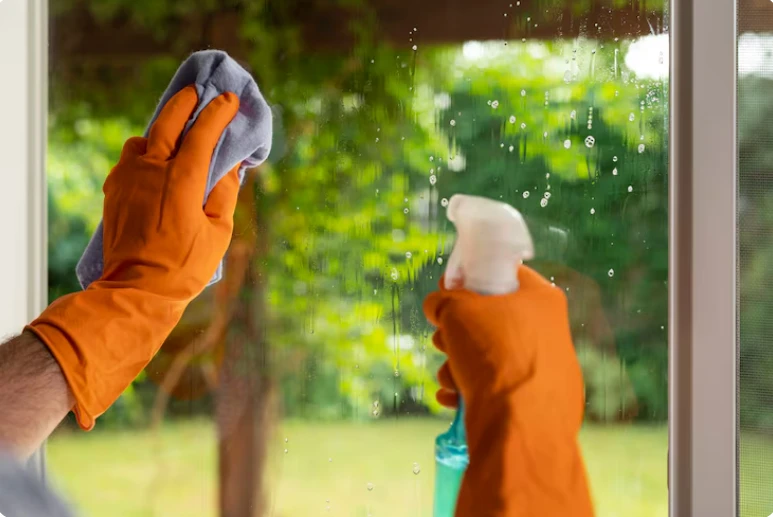

Clean, streak-free windows instantly brighten your home, improve visibility, and make any space feel fresher. But when it comes to window cleaning, many Australian homeowners aren’t sure whether inside or outside cleaning requires a different approach. The truth is—both sides of your windows accumulate dirt differently, and each requires its own set of techniques, tools, and best practices.
Whether you're maintaining a coastal home exposed to salt spray or a suburban property collecting everyday dust and pollen, understanding how to properly care for both sides of your windows can make a big difference in the results. And with the right windows cleaning kit, the job becomes much easier and far more effective.
Below, we break down the essential differences between inside and outside window cleaning—plus the best practices, tips, and tools you need to get crystal-clear results.
Why Inside and Outside Windows Need Different Cleaning Methods
Indoor and outdoor windows face completely different environments. Inside your home, glass is more likely to collect fingerprints, smudges, pet nose marks, kitchen grease, candle residue, and dust. These marks are usually easier to remove but show up more frequently.
Outdoor windows, on the other hand, deal with harsher elements. Rainwater mineral deposits, dirt, bird droppings, insects, pollution, and coastal salt build up over time. This means they often require stronger cleaning solutions, longer scrubbing time, and sometimes even specialised tools found in a high-quality windows cleaning kit.
Understanding these differences ensures you choose the right method for each surface—preventing scratches, avoiding streaks, and saving a lot of time and effort.
Best Practices for Cleaning Inside Windows
1. Start With Dusting and Preparation
Before using any liquid cleaner, always dust the window frames, blinds, and sills. If you skip this step, loose dust will stick to the glass the moment it gets wet.
Use a microfibre cloth or a vacuum attachment to remove dirt from:
Window tracks
Flyscreens
Sills and frames
2. Use a Gentle Cleaning Solution
Indoor glass doesn’t usually require harsh chemicals. A simple mix of warm water and a few drops of dishwashing liquid works wonders. Vinegar-based sprays are also popular for a streak-free finish.
3. Work With Microfibre Cloths
Microfibre cloths are the hero of indoor glass cleaning. They lift grease and dust without scratching the glass and leave fewer streaks than paper towels or cotton rags.
4. Clean in an “S” Pattern
Wiping in circular motions can push dirt around. Instead, clean glass using an “S” pattern from top to bottom, this gives a polished, professional finish.
5. Finish With a Dry Buff
Once the glass is clean, use a dry cloth to buff away any leftover moisture. This step is the secret behind truly streak-free indoor windows.
Best Practices for Cleaning Outside Windows
Outdoor windows require more effort and sometimes more specialised tools. Here’s how to get them spotless:
1. Rinse Before Scrubbing
Start by hosing down the windows. This loosens dirt, mud, and debris, making the cleaning process much smoother and preventing scratches from gritty particles.
2. Choose a Stronger Cleaning Solution
Because exterior grime is tougher, mix a stronger solution:
Warm water
Dishwashing liquid
A splash of vinegar or ammonia (optional)
For heavily soiled glass, consider commercial outdoor window cleaners.
3. Use a Squeegee for the Best Finish
A quality squeegee is essential for outdoor cleaning. It removes water quickly and prevents streaks, especially important under strong Aussie sunlight, which can dry water too fast.
For high or hard-to-reach windows, a squeegee with a telescopic pole is a game-changer.
4. Use a Scrubber for Stubborn Dirt
Bird droppings, insect marks, and sap stains often need extra scrubbing. A sponge scrubber or soft-bristle brush is ideal.
5. Clean on a Cloudy Day
Direct sunlight can cause rapid drying, leaving streaks. Early morning or late afternoon is perfect for outdoor cleaning.
Inside vs. Outside: Key Differences at a Glance
Inside Windows Outside Windows Prone to smudges, fingerprints, dust Exposed to dirt, rainwater, insects, pollution Gentle solutions are enough Stronger solutions may be needed. Best cleaned with microfibre cloths. Requires scrubbing tools and squeegees. Quicker, easier to clean or time-consuming and labour-intensiv.e Weather not a facto.r Weather conditions affect results
How Often Should Australian Homes Clean Windows?
Cleaning frequency depends on location and environment. On average:
Inside windows: every 1–2 months
Outside windows: every 2–4 months
Coastal homes: monthly (due to salt buildup)
High-traffic or dusty areas: more frequent cleaning may be needed
Regular cleaning prevents stubborn buildup and prolongs the life of your window glass and frames.
The Value of Using the Right Tools
A high-quality windows cleaning kit can make the entire job quicker, easier, and more effective. Most kits include:
Microfibre cloths
A squeegee
A scrubber or washer
Telescopic extension pole
Glass-safe cleaning solution
Investing in good tools ensures better results with less effort, and saves money long-term by reducing the need for professional services.
Also Read: Valuable tips for choosing eco-friendly cleaning products
Final Thoughts
Both inside and outside window cleaning play a crucial role in keeping your Australian home bright, fresh, and visually appealing. By understanding the different challenges each side of the glass faces, and using the right methods and tools, you can achieve truly crystal-clear results all year round.
Whether you’re tackling fingerprints inside or coastal grime outside, following these best practices will transform your windows and enhance the overall look and feel of your home.





























Sign in to leave a comment.