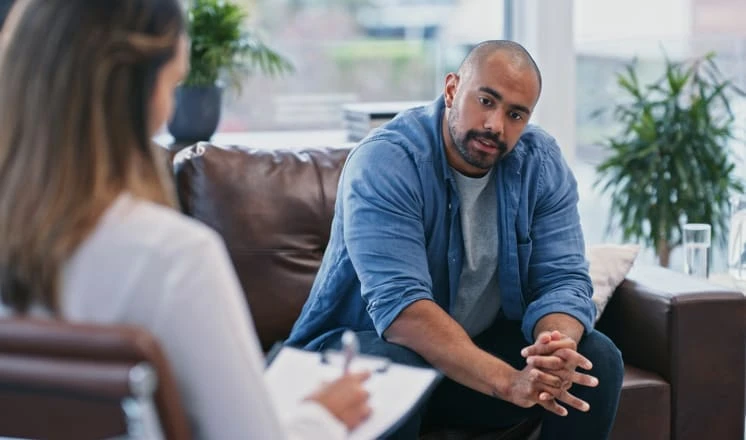

Trauma does not remain limited to the psychological experience of an individual. It affects the close relationships of an individual. It can completely transform or risk your relationship with your spouse, communication, emotional safety, intimacy and trust that exist within marriage. A person with unresolved trauma can put their relationship or a healthy marriage at stake with various cycles of misunderstanding, emotional withdrawal, and conflict escalation. You may find that b has possible chances to restore connection, assure safety and share meaningful explanations to handle psychological injury. Couples can rebuild trust, reestablish emotional bonds, and create resilient relational patterns grounded in empathy and security through structured therapeutic processes.
The article highlights how marriage counselling supports trauma recovery by helping couples rebuild trust, emotional safety, and connection.
How Trauma Alters Marital Dynamics
Trauma can have a direct impact on the nervous system, emotional regulation, and the perception of threat. It escalates the hypervigilance, avoidance, emotional numbing and sudden anger response to any small situation within marriage. Past experiences of the person can affect the present moment of the partners leaving the partner confused or hurt. These repeated patterns can cut the strong bond and result in disconnection without a professional counsellor’s intervention.
Why Professional Marriage Counselling Is Essential for Trauma Recovery
It is important to accept the growing demand for marriage counselling in Melbourne as couples seek trauma-informed support that integrates emotional safety with evidence-based therapeutic methods. Professional counselling provides a neutral, structured environment where both partners are heard without judgement. They guide couples to identify trauma triggers, de-escalate conflict, and replace reactive behaviours with intentional, compassionate responses that promote healing for individuals and the relationship as a whole.
Rebuilding Trust After Trauma Exposure
Trust erosion is the most profound consequence of trauma within marriage. Trauma can lead to secrecy, emotional shutdown, or perceived unreliability, even when no betrayal has occurred. Professionals focus on trust restoration through consistency, transparency, and emotional attunement. Couples learn how to demonstrate reliability through small, repeatable actions and how to repair ruptures before resentment accumulates. Trust is rebuilt not through grand gestures but through daily emotional responsiveness.
Creating Emotional Safety as the Foundation for Healing
Emotional safety is the cornerstone of trauma recovery in marriage. Vulnerability feels dangerous, and meaningful connection becomes impossible without it. Professional help couples establish clear boundaries, predictable communication routines, and shared agreements that reduce uncertainty. Through guided sessions, partners recognise when conversations become emotionally unsafe and how to pause, self-regulate, and re-engage with mutual respect. Safety precedes intimacy, and therapy prioritises this sequence deliberately.
Trauma-Informed Communication Strategies for Couples
Communication patterns become distorted by trauma, resulting in defensiveness, withdrawal, or blame. Counsellors introduce trauma-informed communication techniques that emphasise clarity, validation, and emotional pacing. Couples practice reflective listening, non-reactive responses, and language that expresses needs without accusation. These skills transform conversations from battlegrounds into opportunities for connection, enabling partners to feel seen and understood even during difficult discussions.
Addressing Intimacy Challenges After Trauma
Trauma frequently and directly diminishes the physical and emotional bond within marriage. Trauma survivors may experience discomfort with closeness; these reactions may leave the partner feeling rejected or uncertain about their relationship or approach. Professional approach to intimacy restoration with sensitivity, consent, and gradual pacing. Therapy helps couples redefine intimacy beyond physical expression, rebuilding closeness through emotional presence, shared experiences, and affectionate communication. Over time, this foundation supports a renewed and mutually fulfilling intimate connection.
Managing Triggers and Emotional Regulation Together
Triggers are inevitable during trauma recovery, but they need not destabilise the marriage. We teach couples how to identify early signs of activation and implement co-regulation strategies that prevent escalation. Partners learn how to support each other during emotional surges without attempting to “fix” or dismiss the experience. Shared emotional regulation strengthens relational resilience, allowing couples to face challenges collaboratively rather than adversarially.
Strengthening Attachment Bonds After Trauma
Trauma disrupts attachment security, leading to anxious or avoidant relational behaviours. Through marriage counselling, professionals help couples understand their attachment styles and how trauma has influenced their relational needs. Therapy focuses on re-establishing secure attachment by fostering responsiveness, reassurance, and emotional availability. As attachment bonds strengthen, couples experience increased stability, trust, and mutual support.
Integrating Individual Healing With Relationship Growth
While trauma recovery is deeply personal, its impact on marriage necessitates a relational approach. We integrate individual healing work with couple-focused interventions, ensuring that personal growth enhances rather than isolates the relationship. This dual focus prevents imbalance and reinforces the idea that healing can occur individually and together. Couples learn how to support each other’s progress without sacrificing their emotional well-being.
Long-Term Relationship Resilience After Trauma Recovery
The goal of marriage counselling extends beyond symptom reduction. Counsellors equip couples with long-term strategies for maintaining connection, navigating future stressors, and sustaining emotional intimacy. By developing conflict resolution skills, emotional literacy, and shared values, couples emerge from trauma recovery with a stronger, more adaptive relationship framework. Resilience becomes a shared achievement, built through intentional practice and mutual commitment.
Conclusion
Marriage counselling for trauma recovery offers couples a structured path toward renewed trust, emotional safety, and meaningful connection. Through professional guidance, couples can transform trauma’s impact into an opportunity for growth and deeper understanding. With the right support, marriages affected by trauma can not only heal but thrive, grounded in empathy, resilience, and enduring partnership.
























Sign in to leave a comment.