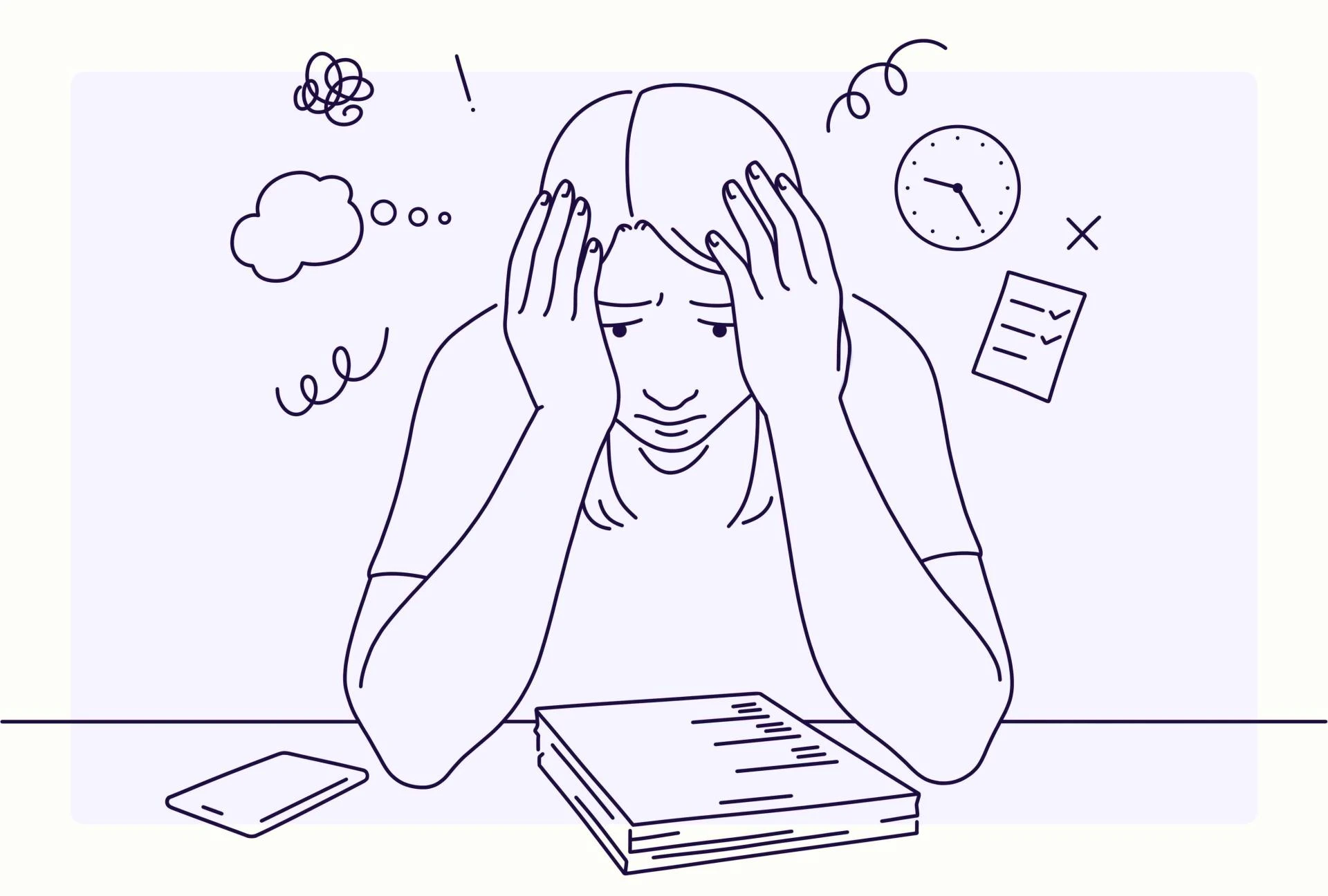

Despite the fact that sleep is essential for both mental and physical health, millions of people worldwide suffer with insomnia, which is the inability to fall asleep, stay asleep, or wake up too early. The silent toll that insomnia has on mental health is frequently overlooked, despite the fact that its physical effects—such as weariness and decreased immunity—are widely known. In addition to depriving the body of sleep, insomnia causes mental disturbances that result in significant emotional and psychological difficulties.
This article examines the relationship between sleep and emotional health, the effects of insomnia on mental health, and methods for ending the cycle of mental stress and insomnia.
The Connection Between Mental Health and Sleeplessness
Mental health and sleep are closely related. It might be difficult to overcome the vicious cycle of insomnia that both causes and results from mental health problems. Addressing the psychological effects of insomnia requires an understanding of this reciprocal interaction.
1. Sleeplessness as a Sign of Mental Health Conditions
Insomnia is a prevalent symptom of many mental health problems, including despair and anxiety.
For example:
Anxiety disorders:
People who struggle to fall asleep at night are frequently kept awake by worry and racing thoughts.
Depression:
Individuals who are depressed may wake up hours earlier than they planned to and find it difficult to get back to sleep.
Sleep habits are disturbed by nightmares and hypervigilance in people with post-traumatic stress disorder (PTSD).
2. Sleep Issues as a Contributor to Mental Health Issues
Insomnia can cause or exacerbate mental health conditions, even though it is frequently a symptom:
Prolonged sleep deprivation raises the body's stress hormone, cortisol, which can intensify anger and anxiety.
The brain's capacity to control emotions is interfered with by insomnia, making it more difficult to handle stress.
Long-term insomnia Symptoms raises the risk of depression by causing feelings of hopelessness and despair.
The Quiet Psychological Impact of Sleep Deprivation
Insomnia can gradually impair cognitive performance and emotional resilience even in the absence of a recognized mental health illness.
1. Dysregulation of emotions
Sleep is essential for the brain's ability to process emotions. The brain resolves emotional conflicts and solidifies emotional memories when you sleep through REM (Rapid Eye Movement).
Not getting enough sleep:
Minor annoyances become too much to handle.
Mood swings are caused by a greater proportion of negative emotions than happy ones.
In social situations, people become less patient and more reactive.
2. Impairment of Cognitive Function
The following cognitive functions are adversely impacted by insomnia:
Attention:
Lack of sleep impairs concentration, which can lead to more stress and dissatisfaction.
Memory:
The brain's capacity to store and retrieve information is hampered by inadequate sleep.
Problem-Solving:
Feelings of inadequacy or self-doubt are exacerbated when a fatigued mind finds it difficult to analyze critically.
3. Withdrawal from Social Contact
Sleeplessness frequently results in fatigue and irritation, which makes social situations difficult. This can eventually result in isolation, which makes depressive and lonely feelings even worse.
Mental Health Issues Frequently Associated with Sleeplessness
1. Anxiety
The body's fight-or-flight reaction is heightened by chronic sleeplessness, which makes it more difficult to unwind. This perpetual attention has the potential to develop into widespread worry.
Cycle of Fear:
People who suffer from insomnia frequently have anticipatory anxiety, which makes them worry about having another restless night.
Physical Symptoms: Anxiety can be exacerbated by tension headaches, muscle stiffness, and an elevated heart rate that accompany insomnia.
2. The Depression
Both a symptom and a possible cause of depression are insomnia. According to research, those who suffer from insomnia have a tenfold higher risk of developing depression compared to those who have normal sleep habits.
Hopelessness:
Feelings of hopelessness can result from prolonged sleep deprivation.
Loss of Pleasure: A hallmark of depression, insomnia's weariness can rob people of their enjoyment of everyday activities.
3. Bipolar Disorder
Bipolar disorder frequently causes sleep difficulties, with sleeplessness frequently leading to manic or depressed episodes. Sleep deprivation can exacerbate mood swings and make recovery from them take longer.
4. ADHD, also known as attention deficit hyperactivity disorder
ADHD symptoms like impulsivity and poor focus are made worse by insomnia, which increases irritability and emotional dysregulation.
Breaking the Cycle:
Taking Mental Health and Sleep Issues Together
1. Cognitive behavioral therapy (CBT-I) for sleeplessness
CBT-I is a very successful treatment for sleep-related negative thoughts and behaviors. It benefits people.
Dispel harmful notions like "I'll never be able to sleep."
Establish better sleeping practices, such as sticking to a regular sleep schedule.
lessen the anxiousness that comes with going to bed.
2. Techniques for Mindfulness and Relaxation
By calming a hyperactive mind, mindfulness exercises can encourage relaxation and sleep readiness.
Meditation:
To slow down rushing thoughts, concentrate on the here and now.
Progressive Muscle Relaxation: To relieve physical strain, tense and relax each muscle group.
3. Deep Breathing Exercises
Intentional, slow breathing reduces tension and heart rate.
Medication In certain situations, it could be required to take medication for underlying mental health issues or sleep aids for a brief period of time. To choose the best course of action, always seek advice from a healthcare professional.
4. Modifications to Lifestyle
Sleep and mental health can be significantly impacted by minor changes:
Limit Screen Time:
To lessen exposure to blue light, turn off screens at least an hour before bed.
Engage in Regular Exercise:
Exercise helps lower stress and enhance the quality of sleep.
Establish a Sleep-Friendly Environment: Make sure your bedroom is cold, quiet, and dark.
Social Support's Function
Sleeplessness is frequently accompanied by isolation, yet seeking help can have a big impact:
Speak with those you love:
To lessen loneliness, talk about your challenges.
Participate in Support Groups:
Make connections with people going through comparable difficulties to share coping mechanisms.
Seek Expert Assistance:
Counselors, sleep specialists, and therapists can offer advice based on your requirements.
Consequences of Ignoring Insomnia Over Time
If insomnia is not addressed, it can have serious negative effects on mental health:
Chronic Stress:
The body remains in a heightened state of stress due to prolonged sleep loss, which raises the risk of burnout.
Increased Risk of Mental Illness:
Long-term sleeplessness dramatically increases the risk of anxiety, depression, and other mental health issues.
Substance Dependency:
Some people use drugs or alcohol to fall asleep, which can cause dependency and make mental health issues worse.
In conclusion
More than just a nightly annoyance, insomnia is a silent thief that jeopardizes emotional stability and mental wellness. People can escape the vicious cycle of insomnia and mental stress by realizing the deep effects of sleep deprivation on the mind and acting proactively to treat it.
Regaining sleepful nights and reestablishing mental and physical equilibrium is achievable with the correct techniques, such as mindfulness training, therapy, and lifestyle modifications. Recall that asking for assistance is a step toward recovery and nighttime tranquility, not a sign of weakness.






























Sign in to leave a comment.