
Electronic Interlocking System in Railways
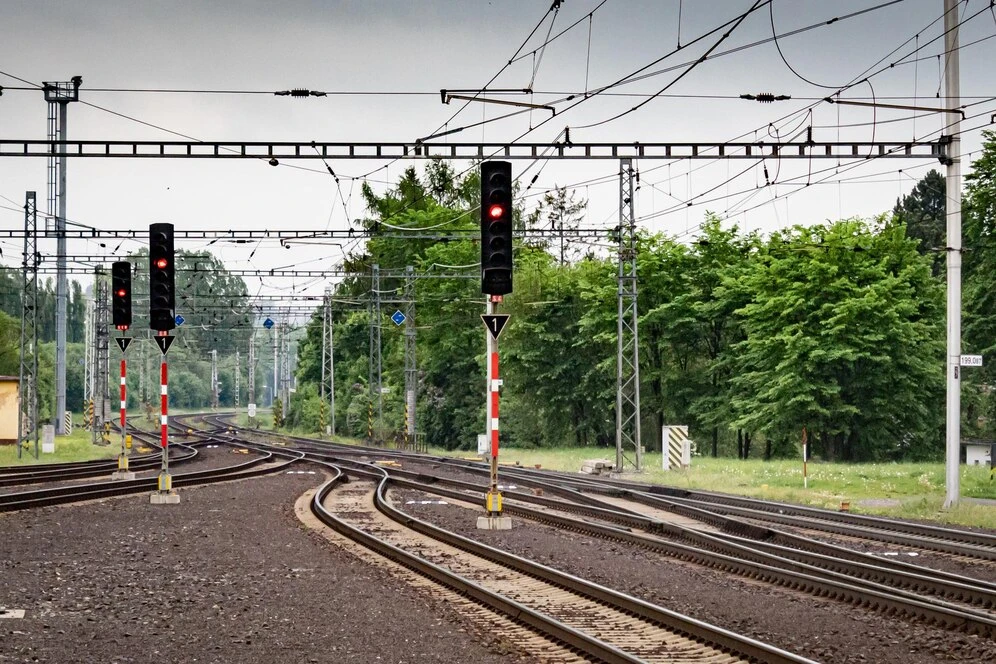
Electronic Interlocking System in Railways is a critical component that ensures the safe movement of trains by managing and controlling the setting of points (switches) and signals. Unlike traditional mechanical or electro-mechanical interlocking systems, EI uses computer-based technology to enhance safety, efficiency, and reliability.
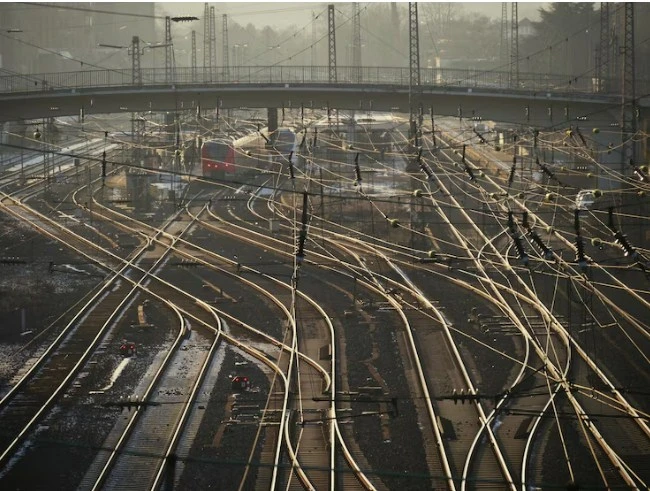
Electronic Interlocking System in Railways
Functionality
The primary function of an EI system is to prevent conflicting train movements through an arrangement of tracks such as junctions or crossings. It achieves this by ensuring that signals display \'clear\' aspects only when it is safe for a train to proceed, and all points are correctly set and locked.
- Control and Monitoring: EI systems provide centralized control, allowing operators to monitor and manage train movements in real-time from a control center.
- Fail-Safe Operations: These systems are designed to default to a safe state in the event of a failure, ensuring that signals display a \'stop\' aspect and preventing unsafe train movements.
- Flexibility and Scalability: EI systems can be easily upgraded and expanded to accommodate changes in the railway network.
Benefits
- Enhanced Safety: By automating the control of signals and points, EI systems reduce the likelihood of human error and improve overall safety.
- Improved Efficiency: The automation of complex interlocking functions allows for more efficient train operations and better utilization of the railway infrastructure.
- Reduced Maintenance: Electronic systems require less maintenance compared to mechanical interlocking systems, leading to lower operational costs.
Implementation
Implementing an EI system involves the following steps:
- Design and Engineering: Detailed design and engineering to customize the EI system to specific railway requirements.
- Installation and Testing: Installing the electronic components and conducting extensive testing to ensure proper functionality.
- Commissioning: Finalizing the installation and transitioning the railway network to the new EI system.
RAMS in Railways
Overview
RAMS in Railways stands for Reliability, Availability, Maintainability, and Safety. It is a comprehensive framework used in the railway industry to ensure that systems and components perform their intended functions efficiently and safely over their entire lifecycle.
Components
- Reliability: Measures the probability that a system will perform without failure over a specified period under given conditions.
- Availability: The proportion of time a system is operational and available for use.
- Maintainability: The ease and speed with which a system can be restored to operational status following a failure.
- Safety: Ensures that the system operates without causing unacceptable risks of harm to people or damage to the environment.
Importance
RAMS is essential in the railway industry to:
- Enhance System Performance: By focusing on reliability and maintainability, RAMS ensures high system performance and reduced downtime.
- Ensure Safety: Safety is a critical aspect, ensuring that railway operations do not pose risks to passengers, staff, or the environment.
- Optimize Costs: Effective RAMS implementation can lead to cost savings by minimizing failures, reducing maintenance efforts, and extending the lifecycle of assets.
Implementation
Implementing RAMS in railways involves:
- Assessment and Analysis: Conducting reliability, availability, maintainability, and safety assessments to identify potential issues.
- Design and Development: Developing systems and components with RAMS principles in mind.
- Monitoring and Improvement: Continuously monitoring performance and making improvements based on data and feedback.
Interlocking Logic Circuits in Railway Signalling
The logic circuits are the heart of Interlocking Logic Circuits in Railway Signalling . They ensure the safe routing of trains by controlling signals and points based on a predefined set of rules and conditions.
Functionality
Interlocking logic circuits work by processing inputs from various field devices (e.g., track circuits, point detectors) and generating outputs to control signals and points. The logic ensures that:
- Safe Routes: Only non-conflicting routes are set, preventing collisions.
- Signal Aspects: Signals display the appropriate aspect (e.g., stop, caution, go) based on the status of the route.
- Point Control: Points are correctly set and locked before a signal is cleared.
Types
- Relay-Based Interlocking: Uses electromechanical relays to implement the logic. While reliable, it is less flexible and more challenging to modify.
- Electronic Interlocking: Uses microprocessors and software to implement the logic, offering greater flexibility and easier modification.
Design and Engineering
Designing interlocking logic circuits involves:
- Requirements Analysis: Understanding the specific requirements and constraints of the railway network.
- Logic Design: Developing the interlocking logic based on safety rules and operational requirements.
- Testing and Validation: Ensuring that the logic functions correctly through rigorous testing and validation processes.
Railway Signalling Automation Companies
Railway Signalling Automation Companies specialize in developing and implementing advanced signalling systems that enhance the safety, efficiency, and reliability of railway operations.
Leading Companies
Several companies are at the forefront of railway signalling automation:
- Sensedge: Specializes in providing comprehensive railway signalling solutions, including design, engineering, bidding, post-bidding activities, consultancy, operations, and training.
- Siemens Mobility: A global leader in railway signalling automation, offering a wide range of solutions from basic signalling to advanced train control systems.
- Alstom: Known for its innovative signalling technologies, Alstom provides solutions that enhance operational efficiency and safety.
- Hitachi Rail: Provides cutting-edge signalling and train control systems, contributing to the modernization of railway networks worldwide.
Services
These companies offer a range of services, including:
- Design and Engineering: Developing customized signalling solutions tailored to specific railway networks.
- System Integration: Integrating new signalling systems with existing infrastructure to ensure seamless operation.
- Maintenance and Support: Providing ongoing maintenance and support to ensure optimal performance of signalling systems.
- Training and Consultancy: Offering training programs and consultancy services to enhance the skills of railway personnel and ensure the effective implementation of signalling systems.
Contribution to the Industry
Railway signalling automation companies play a crucial role in the railway industry by:
- Enhancing Safety: Developing and implementing advanced signalling systems that reduce the risk of accidents and enhance overall safety.
- Improving Efficiency: Automating complex signalling functions to improve the efficiency and reliability of railway operations.
- Driving Innovation: Continuously innovating to develop new technologies and solutions that meet the evolving needs of the railway industry.
Sensedge\'s Role
Sensedge is a key player in the railway signalling automation industry, offering end-to-end services that cover all aspects of railway signalling. With expertise in design, engineering, bidding, post-bidding activities, consultancy, operations, and training, Sensedge provides comprehensive solutions that ensure efficient and safe rail systems. Their commitment to innovation and excellence makes them a trusted partner for railway operators worldwide.
The Electronic Interlocking System, RAMS, interlocking logic circuits, and railway signalling automation companies are integral to the modernization and efficiency of railway networks. Companies like Sensedge, with their comprehensive expertise and services, are at the forefront of this transformation, ensuring safe and reliable railway operations.


























Sign in to leave a comment.