
Wooden flooring remains a popular choice for homeowners due to its aesthetic appeal, durability, and versatility. However, the installation process can vary significantly depending on the types of wooden flooring chosen. This article provides an in-depth look at the different types of wooden flooring and their installation methods, ensuring that you make an informed decision for your home improvement project.
Solid Hardwood Flooring
Characteristics
Solid hardwood flooring is made from a single piece of natural wood. It offers a timeless appeal and can be sanded and refinished multiple times, making it a long-lasting option. Common wood species used include oak, maple, and cherry, each providing unique grain patterns and colors.
Installation Process
Solid hardwood flooring is typically installed using the nail-down method, which involves nailing the planks to a wooden subfloor. This method provides a secure fit but requires professional installation due to its complexity. The subfloor must be completely dry and level to prevent issues such as buckling or warping. Acclimation is crucial; the wood should be left in the installation area for at least 48 hours to adjust to the room’s temperature and humidity.
Engineered Wood Flooring
Characteristics
Engineered wood flooring consists of a top layer of real wood veneer adhered to several layers of plywood or high-density fiberboard. This construction makes it more resistant to moisture and temperature changes than solid hardwood. Engineered wood is available in a wide range of styles and finishes, providing flexibility in design.
Installation Process
Engineered wood flooring can be installed using various methods, including floating, glue-down, and staple-down techniques. The floating method is the most common, where planks are clicked together and laid over an underlayment without being attached to the subfloor. This method is suitable for DIY enthusiasts due to its simplicity. Glue-down installation involves applying adhesive to the subfloor and pressing the planks into place, providing a stable and durable floor. The staple-down method, similar to the nail-down process for solid hardwood, uses staples to secure the planks to a wooden subfloor.
Laminate Wood Flooring
Characteristics
While not made of real wood, laminate flooring mimics the appearance of wood through a photographic layer beneath a protective wear layer. It is highly durable, resistant to scratches, and more affordable than solid or engineered wood flooring. Laminate flooring is available in various styles, including options that closely resemble natural wood.
Installation Process
Laminate flooring is installed using the floating floor method, where planks are snapped together without being attached to the subfloor. An underlayment is placed beneath the laminate to provide cushioning, reduce noise, and act as a moisture barrier. This installation method is straightforward and can be completed by homeowners with basic DIY skills. However, it is essential to ensure that the subfloor is clean, dry, and level to avoid problems with the laminate planks.
Bamboo Flooring
Characteristics
Bamboo flooring, made from bamboo grass, is a sustainable and eco-friendly option. It is known for its strength and durability, often harder than many hardwood species. Bamboo flooring is available in various styles, including horizontal, vertical, and strand-woven patterns, each offering distinct looks.
Installation Process
Bamboo flooring can be installed using nail-down, glue-down, or floating methods, similar to hardwood and engineered wood flooring. The choice of installation method depends on the type of bamboo flooring and the subfloor condition. For instance, strand-woven bamboo, which is denser and harder, may require glue-down installation to ensure stability. As with other wood flooring types, acclimation is necessary to allow the bamboo to adjust to the room’s environment.
Parquet Flooring
Characteristics
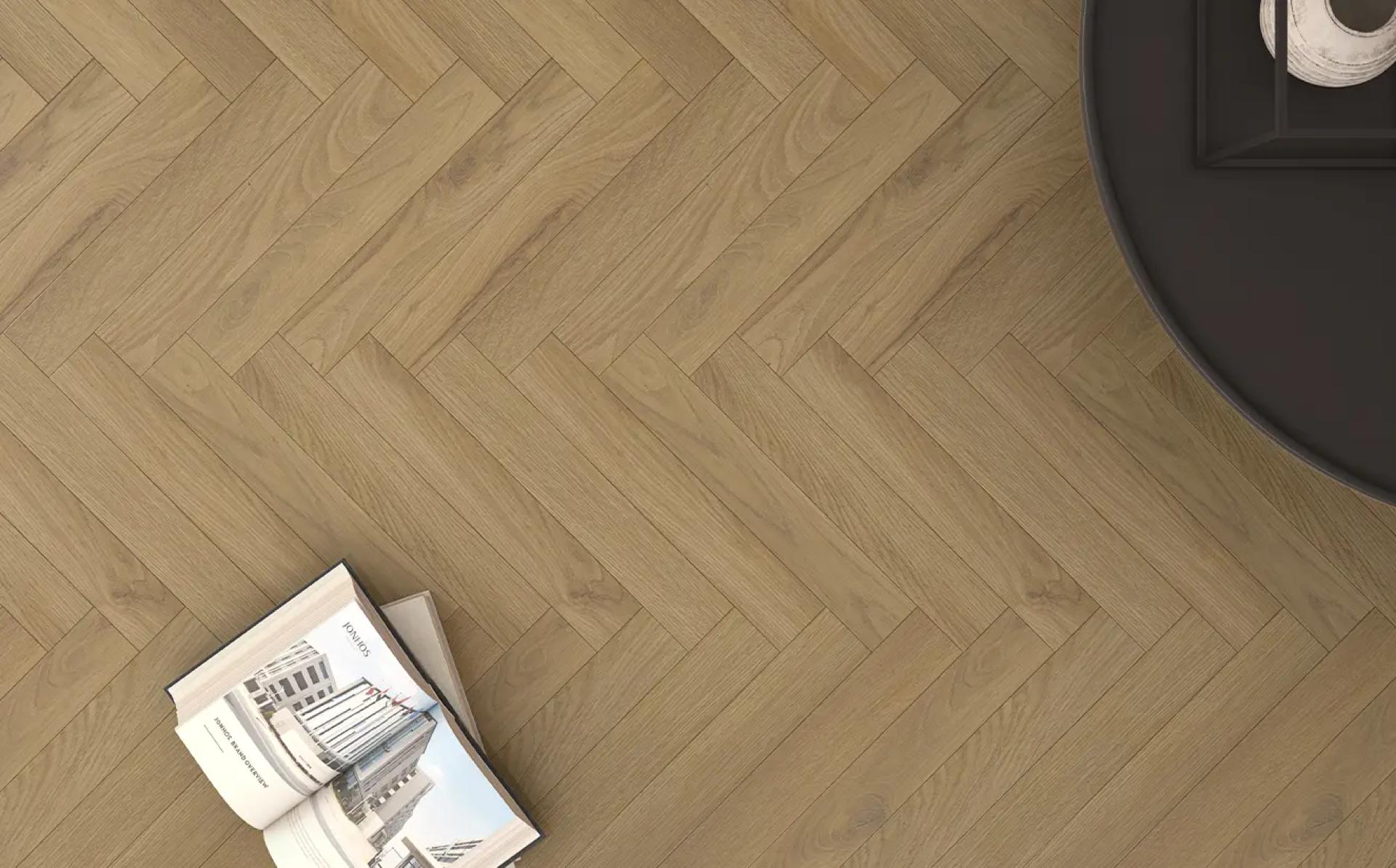
Parquet flooring consists of small wood pieces arranged in geometric patterns, such as herringbone or chevron. This type of flooring adds a sophisticated and artistic touch to interiors, making it a popular choice for elegant spaces.
Installation Process
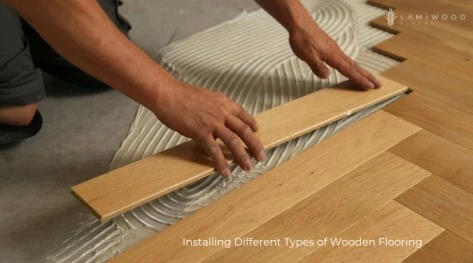
Parquet flooring is typically installed using the glue-down method. The individual pieces are adhered to the subfloor to create the desired pattern. Due to the intricate nature of parquet designs, professional installation is recommended to achieve a precise and flawless look. The subfloor must be smooth and level to ensure the parquet pieces fit together seamlessly.
Conclusion
Installing different types of wooden flooring requires understanding the unique characteristics and installation methods of each option. Solid hardwood, engineered wood, laminate, bamboo, and parquet flooring all offer distinct advantages and aesthetic qualities. By considering the specific requirements and benefits of each type, you can choose the best wooden flooring for your home and ensure a successful installation process. Whether opting for a DIY approach or hiring professionals, careful planning and attention to detail will result in a beautiful and durable floor that enhances the value and appeal of your home.


























Sign in to leave a comment.