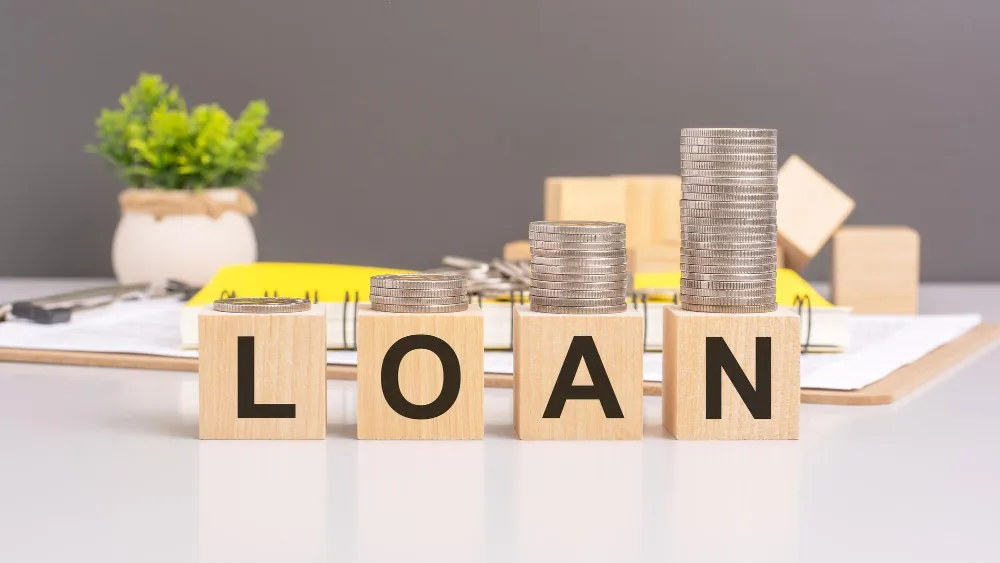

Debt can feel overwhelming when multiple EMIs, credit card bills, and personal loans start piling up. In such situations, instant debt consolidation loans often appear like a simple escape route. They promise quick approval, fast disbursal, and a single monthly payment instead of multiple dues. But are they really a financial lifeline—or just a short-term fix that creates long-term problems?
Let’s break it down clearly.
What Are Instant Debt Consolidation Loans?
Instant debt consolidation loans are personal loans designed to combine multiple existing debts into one. Instead of paying several lenders with different interest rates and due dates, you take a new loan to pay off all your existing liabilities.
The “instant” part usually refers to fast online approval and quick disbursal, sometimes within hours or a day. Many banks, NBFCs, and digital lending platforms offer these loans based on basic eligibility checks, credit score, and income verification.
Why People Choose Instant Debt Consolidation Loans
The biggest appeal is simplicity. Managing multiple debts can be stressful, especially when due dates overlap or interest rates vary widely.
Here are the key reasons borrowers opt for them:
- Single monthly payment instead of multiple EMIs
- Potentially lower interest rate than credit cards or high-interest loans
- Improved cash flow management
- Fast approval and minimal paperwork
- Reduced mental stress from juggling debts
For someone already struggling with repayment discipline, this solution can feel like a fresh start.
The “Quick Fix” Advantage
There’s no denying the short-term relief these loans provide. If used correctly, they can:
- Help avoid late payment penalties
- Prevent credit score damage from missed EMIs
- Reduce overall monthly repayment burden
- Offer a structured repayment plan
For example, consolidating high-interest credit card debt into a lower-interest personal loan can significantly reduce monthly outgoings.
However, this benefit depends heavily on discipline after consolidation.
The Hidden Long-Term Risks
While the idea sounds practical, instant debt consolidation loans can backfire if not managed carefully.
1. Longer Repayment Tenure
To reduce EMI amounts, lenders often extend the repayment period. This may reduce monthly pressure but can increase the total interest paid over time.
2. False Sense of Financial Relief
Once old debts are cleared, some borrowers fall into the trap of accumulating new credit card debt, leading to a cycle of borrowing.
3. Higher Total Cost
Even if the interest rate is lower, a longer tenure or processing fees can make the loan more expensive in the long run.
4. Credit Score Dependency
Approval often depends on your credit score. If your score is already low, you may receive loans at higher interest rates, defeating the purpose of consolidation.
5. Debt Recycling Risk
Without changing spending habits, borrowers may end up with both the consolidation loan and new debts—worsening their financial situation.
When Does It Make Sense?
Instant debt consolidation loans are not inherently bad. They work well when:
- You have multiple high-interest debts
- You have stable income for regular repayments
- You commit to avoiding new unnecessary credit
- You compare interest rates carefully before borrowing
They are most effective as a structured financial reset tool, not a habit-based borrowing solution.
Smart Alternatives to Consider
Before choosing instant debt consolidation, consider:
- Debt management plans through financial advisors
- Negotiating lower interest rates with existing lenders
- Balance transfer credit cards (if applicable)
- Building an emergency fund to avoid future borrowing
Sometimes, small financial adjustments can solve the problem without taking a new loan.
Final Verdict: Quick Fix or Long-Term Risk?
Instant debt consolidation loans sit somewhere in between. They are a quick fix in the short term, offering immediate relief and simplified repayment. However, they become a long-term risk when used without discipline or financial planning.

























Sign in to leave a comment.