
Environmental, Social, and Governance (ESG) reporting has become an important component of corporate accountability and long-term business planning. Investors, regulators, customers, and other stakeholders increasingly expect organizations to demonstrate how they manage environmental impacts, social responsibilities, and governance practices. To meet these expectations, companies must provide reliable and transparent information about potential risks and the measures taken to address them.
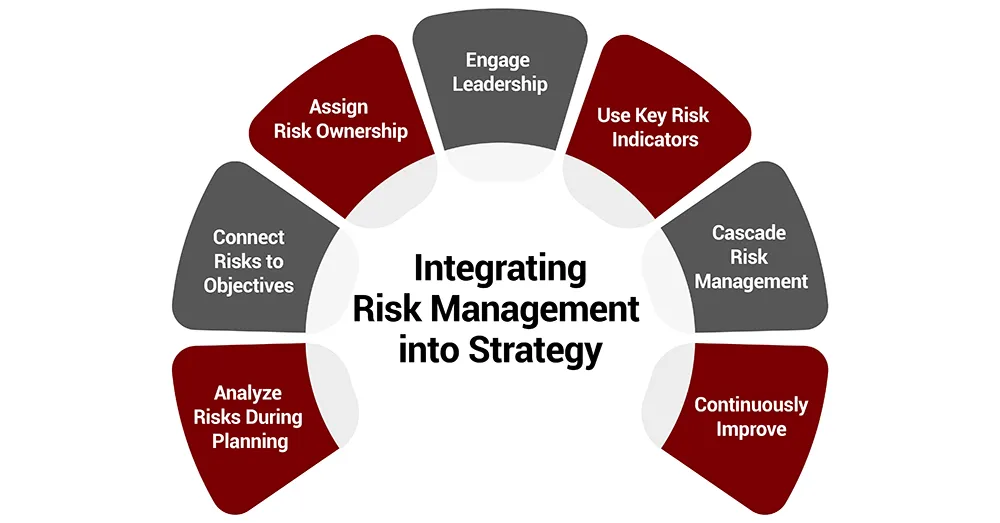
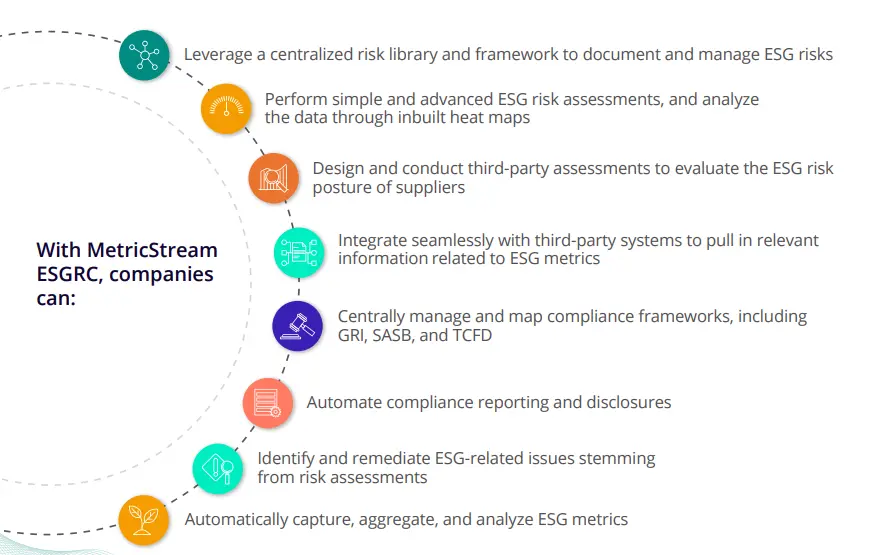
Risk assessment plays a vital role in ESG and sustainability reporting because it helps organizations identify, evaluate, and manage factors that may affect business performance and stakeholder interests. By integrating risk assessment into ESG frameworks, organizations can make more informed decisions, improve transparency, and strengthen their sustainability initiatives.
Understanding ESG and Sustainability Reporting
ESG reporting involves disclosing information about an organization’s environmental performance, social impact, and governance practices. These reports help stakeholders understand how an organization manages issues such as climate change, employee well-being, resource consumption, ethical conduct, and regulatory compliance.
Sustainability reporting extends beyond financial performance by evaluating the broader impacts of business activities on society and the environment. Effective reporting depends on accurate data, consistent methodologies, and a clear understanding of risks that may influence sustainability outcomes.
Risk assessment provides the structured approach necessary to identify and evaluate these factors, ensuring that ESG disclosures are based on objective analysis rather than assumptions.
The Relationship Between Risk Assessment and ESG
Every ESG objective involves some level of risk. Environmental risks may include pollution incidents, resource shortages, or climate-related events. Social risks can involve workplace injuries, labor disputes, employee well-being concerns, or community impacts. Governance risks may arise from regulatory non-compliance, ethical failures, or inadequate oversight.
Risk assessment helps organizations systematically evaluate these challenges by identifying potential hazards, estimating their impact, and determining appropriate mitigation measures. This process enables organizations to prioritize resources and focus on areas that have the greatest influence on sustainability performance.
Integrating risk assessment into ESG frameworks creates a stronger foundation for reporting because it links sustainability objectives with measurable risk management activities.
Enhancing Environmental Risk Management
Environmental performance is a key element of ESG reporting. Organizations must evaluate risks associated with emissions, waste generation, energy consumption, water usage, and climate-related events.
Risk assessments help identify environmental vulnerabilities and determine the likelihood and severity of potential impacts. For example, organizations can assess the effects of extreme weather, supply chain disruptions, or resource scarcity on operational performance.
By incorporating environmental risk assessments into sustainability reporting, organizations can provide stakeholders with a clearer understanding of how environmental challenges are managed and monitored over time.
Supporting Social Responsibility Goals
The social component of ESG focuses on employees, communities, and broader societal impacts. Workplace health and safety is one of the most significant areas within this category.
Risk assessments contribute to social performance by identifying workplace hazards and evaluating risks that may affect employee well-being. Structured reviews, including a Safety Audit Service, can help organizations identify safety gaps, strengthen control measures, and support transparent reporting of occupational health and safety performance.
Organizations that effectively manage workplace risks are often better positioned to achieve social sustainability objectives and demonstrate their commitment to employee welfare.
Strengthening Governance Through Risk-Based Decision Making
Governance refers to the systems, policies, and practices that guide organizational decision-making. Strong governance requires effective oversight of risks that could affect compliance, ethics, operational performance, or stakeholder trust.
Risk assessments support governance objectives by providing decision-makers with reliable information about potential threats and opportunities. They also help organizations establish accountability, monitor performance, and ensure that controls remain effective.
Integrating risk management processes into governance structures promotes transparency and strengthens confidence in ESG disclosures.
The Importance of Safety Data in ESG Reporting
Health and safety performance is increasingly recognized as a critical ESG metric. Investors and stakeholders often evaluate injury rates, incident trends, emergency preparedness, and risk management practices when assessing organizational sustainability.
Comprehensive evaluations such as a Fire Audit Service can contribute valuable information regarding fire hazards, emergency response capabilities, and facility preparedness. The findings from these assessments help organizations understand operational risks and provide meaningful safety-related disclosures within sustainability reports.
Accurate safety data enhances credibility and supports evidence-based ESG reporting.
Employee Engagement and Risk Awareness
Successful ESG initiatives depend on active employee participation. Employees play a crucial role in identifying hazards, reporting concerns, and supporting risk reduction efforts.
Training programs such as Behavior-Based Safety Training help employees recognize how workplace behaviors influence safety outcomes. Increased awareness encourages proactive risk identification and supports a stronger safety culture.
Employee involvement also contributes valuable information for ESG reporting by providing insights into workplace conditions, organizational culture, and operational challenges.
Challenges in ESG Risk Integration
While integrating risk assessment into ESG reporting offers many benefits, organizations may encounter several challenges. These include inconsistent data collection methods, evolving regulatory requirements, limited risk visibility across operations, and difficulties measuring long-term sustainability impacts.
Addressing these challenges requires a structured approach to risk management, reliable reporting systems, and continuous monitoring of emerging issues. Organizations should regularly review risk assessment processes to ensure they remain aligned with ESG objectives and stakeholder expectations.
Benefits of Integrated Risk Assessment and ESG Reporting
Organizations that integrate risk assessment into ESG frameworks can achieve several advantages:
- Improved transparency and accountability
- More reliable sustainability disclosures
- Enhanced stakeholder confidence
- Better identification of emerging risks
- Stronger regulatory compliance
- Improved decision-making capabilities
- Greater resilience to environmental and social challenges
These benefits support both organizational sustainability goals and long-term business performance.
Conclusion
Integrating risk assessment into ESG and sustainability reporting frameworks helps organizations better understand, manage, and communicate the risks that influence environmental, social, and governance performance. By identifying potential challenges, evaluating their impacts, and implementing effective controls, organizations can provide more accurate and meaningful sustainability disclosures.
As ESG expectations continue to evolve, risk assessment will remain a critical tool for supporting transparency, accountability, and informed decision-making. Organizations that effectively connect risk management with sustainability reporting are better equipped to address stakeholder concerns and adapt to an increasingly complex business environment.






























Sign in to leave a comment.