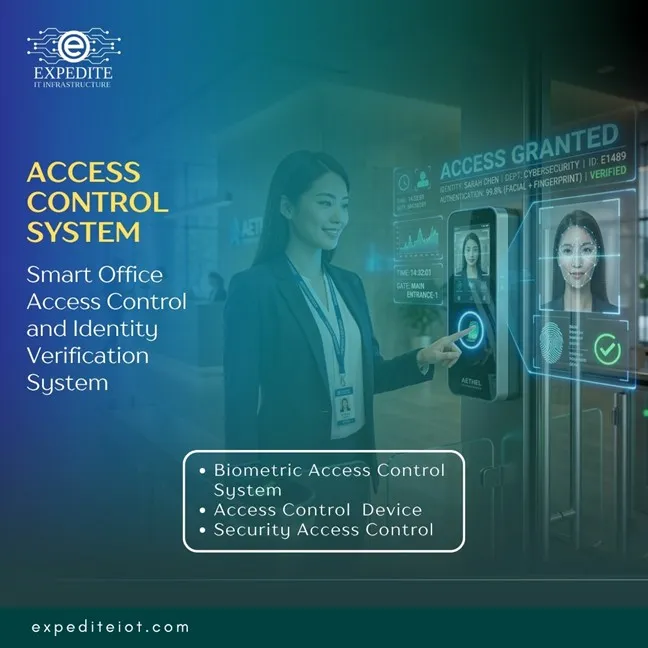

A robust Access Control System is no longer a luxury - it is a mission-critical necessity for every business, government entity, and residential complex operating in Qatar today. As security threats evolve and facilities grow more complex, organisations across Doha and beyond are investing in intelligent, layered physical security infrastructure that goes far beyond a simple lock and key. Whether you manage a high-rise corporate tower, an industrial facility, a healthcare campus, or a smart residential development, deploying the right Security Access Control strategy determines how well you protect your people, assets, and data.
Why Qatar's Rapidly Growing Infrastructure Demands Advanced Access Control
Qatar's Vision 2030 agenda has triggered an unprecedented wave of construction, smart-city initiatives, and foreign investment. With mega-projects spanning energy, hospitality, finance, and logistics, the volume of people, vehicles, and sensitive data flowing through facilities has multiplied dramatically. This growth creates new vulnerabilities that traditional lock-and-key systems simply cannot address. An Advanced Access Control System provides real-time visibility over who enters or exits every zone of a facility, generating audit trails, automated alerts, and actionable intelligence that older systems never could. Organisations that deploy scalable Access Control Solutions gain a decisive competitive edge - reducing liability, meeting international compliance standards such as ISO 27001 and NFPA 101, and reinforcing the trust of clients and regulators alike.
Understanding the Access Control Ecosystem: Devices, Doors, and Data
Modern physical security is built on three interconnected layers: identity verification, entry management, and centralised oversight. Each layer is served by a distinct class of technology, and understanding how they work together is essential before selecting a solution.
Door Access Control: The Physical Gateway
Every security strategy begins at the door. Door Access Control encompasses the electronic locks, magnetic strikes, electromagnetic locks, and door controllers that physically permit or deny passage. Unlike conventional mechanical locks, electronic door controllers can be programmed to enforce time-based access schedules, restricting entry to authorised personnel only during specific hours. They integrate seamlessly with fire alarm systems (fail-safe or fail-secure configurations), ensuring emergency egress is never compromised. In high-security zones such as server rooms, executive suites, or research laboratories, multi-door interlocking (mantrap) configurations prevent tailgating - one of the most common and costly security breaches in modern facilities.
Access Control Device: Readers, Credentials, and Controllers
The Access Control Device layer includes card readers, keypads, mobile credential readers, and the underlying controllers that process authentication requests. Modern readers support a wide range of credential types - traditional RFID proximity cards, smart cards (MIFARE DESFire, HID iCLASS), mobile credentials via NFC or Bluetooth Low Energy (BLE), and PIN-based entry. Cloud-connected controllers enable remote management from any location, allowing security managers in Doha or abroad to add, suspend, or revoke access privileges in seconds without visiting the site physically. This agility is invaluable for multi-site enterprises operating across Qatar, Saudi Arabia, and Oman.
Biometric Access Control System: Identity at the Cellular Level
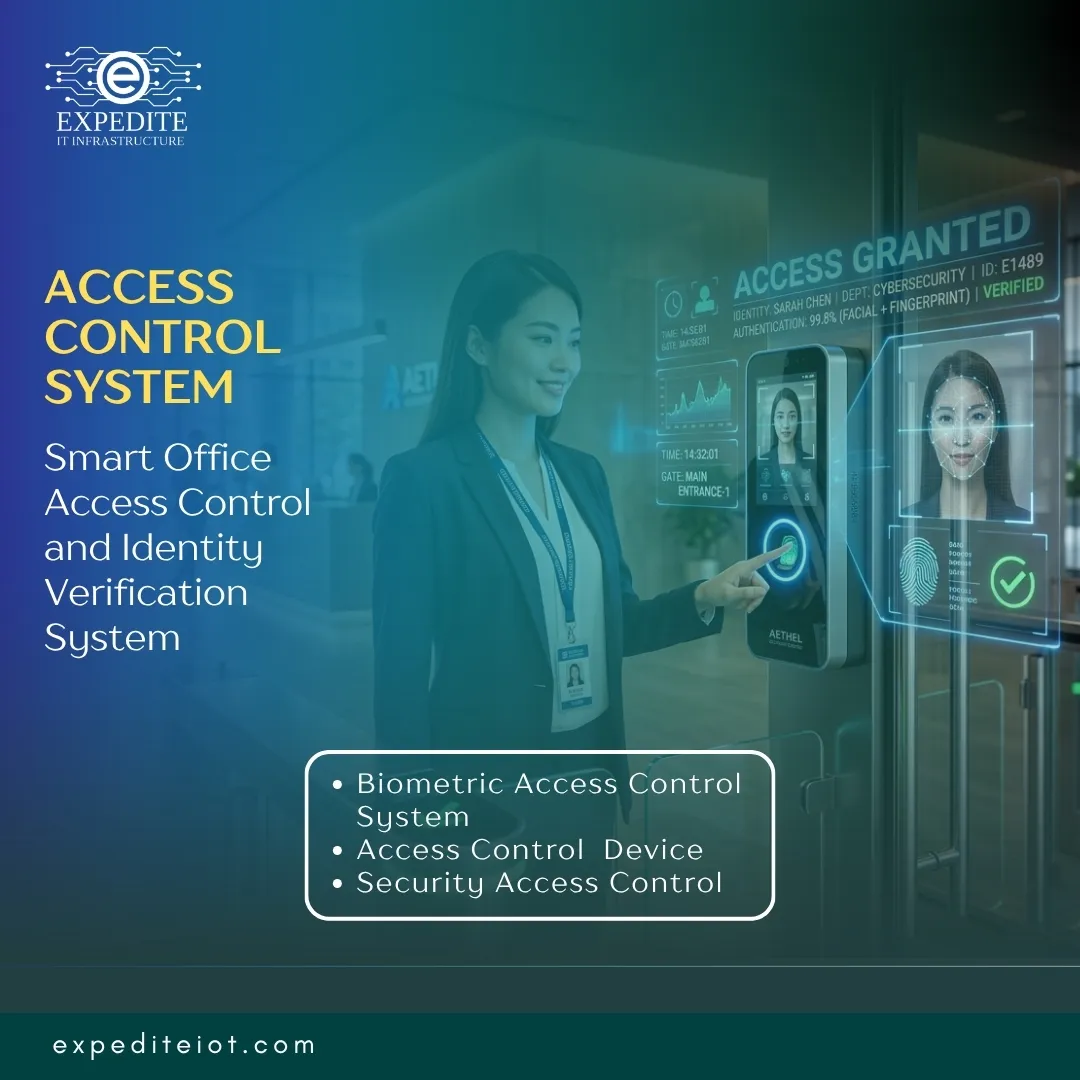
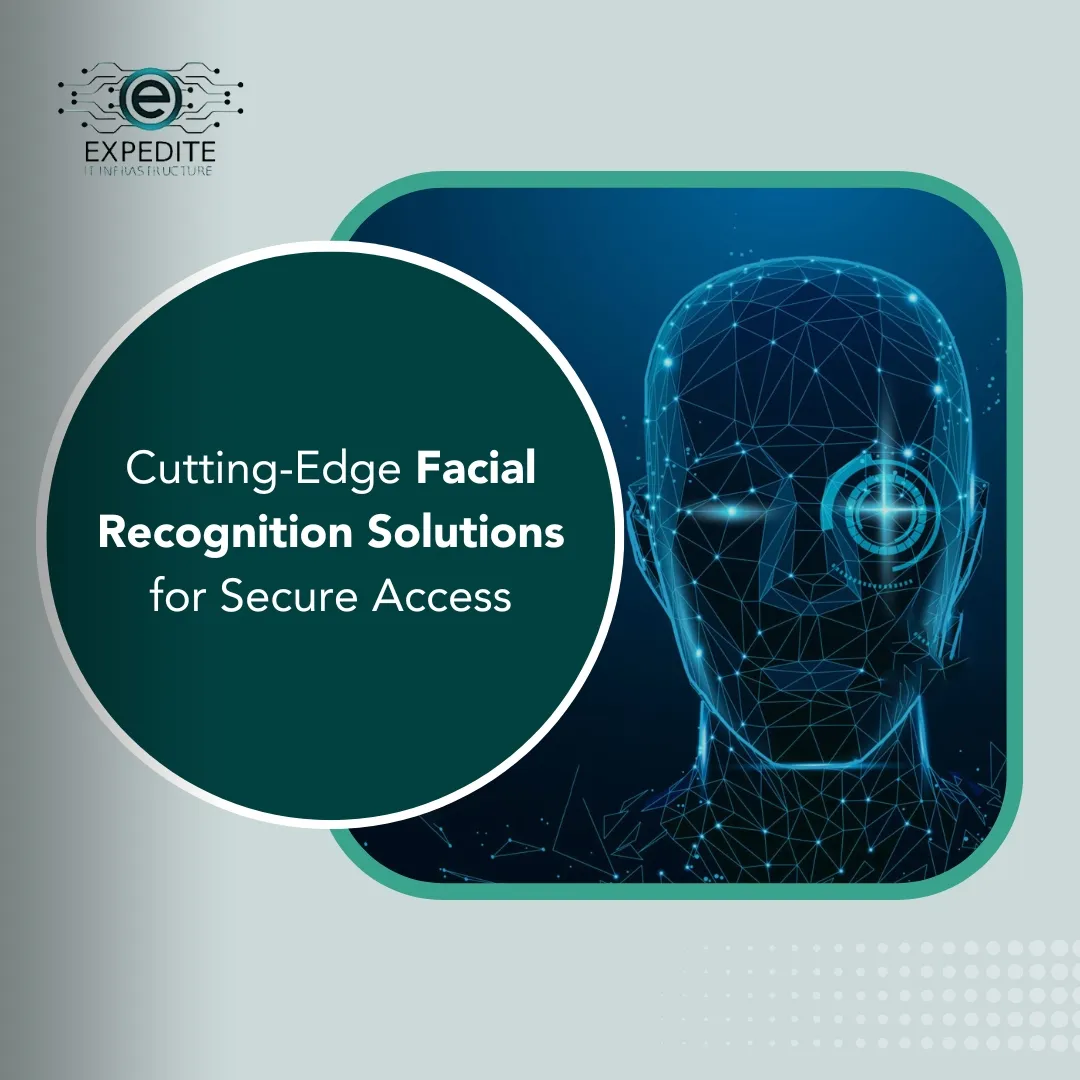
The highest tier of identity verification is the Biometric Access Control System. Rather than authenticating what someone has (a card or token) or what they know (a PIN), biometric systems authenticate who they are - eliminating the risk of lost, stolen, or shared credentials. Leading biometric modalities deployed across Qatar's enterprise and government sectors include fingerprint recognition, palm-vein mapping, iris scanning, and AI-powered facial recognition. Facial recognition is especially impactful in high-throughput environments such as airport terminals, hotel lobbies, and industrial plants, where it enables touchless, frictionless identity verification at speed. When integrated with multi-factor authentication (MFA) frameworks - combining biometrics with a smart card or PIN - organisations achieve the highest assurance levels required for classified zones, financial vaults, or critical national infrastructure.
Access Control System Qatar: Sector-Specific Applications
Qatar's diverse economic landscape means that no single access control template fits every facility. A purpose-built Access Control System Qatar deployment must account for sector-specific regulatory requirements, operational workflows, and risk profiles.
- Oil, Gas & Energy Facilities: Classified as critical national infrastructure, these sites require multi-layer perimeter control, ATEX-rated hardware, and integration with SCADA systems. Role-based access ensures that only certified personnel with current safety inductions can enter hazardous zones.
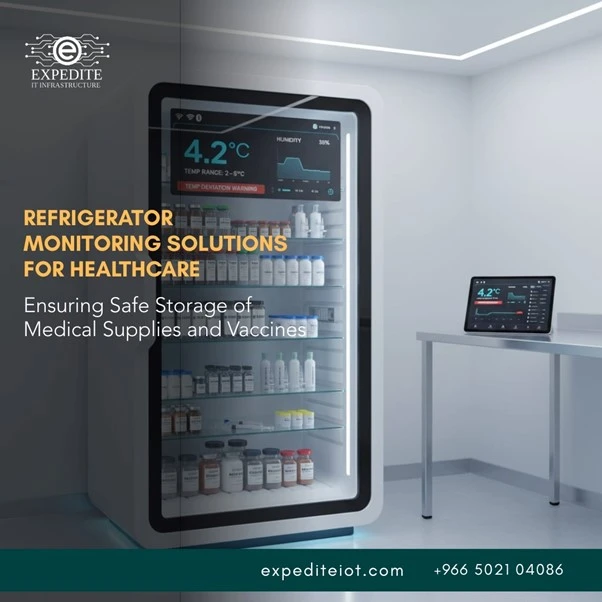
- Healthcare & Hospitals: Patient data privacy laws and controlled substance regulations demand strict zone segregation. Biometric door access to pharmacies, ICUs, and record rooms - combined with visitor management systems - keeps both patients and staff safe.
- Commercial Real Estate & Free Zones: Qatar Financial Centre (QFC) and various free zones host hundreds of international tenants. Multi-tenant access control platforms allow each organisation to manage its own personnel independently while the building management retains master oversight.
- Education & Universities: Campus safety requires that only enrolled students, faculty, and approved visitors access specific buildings and laboratories. Student ID-linked access cards, combined with real-time monitoring dashboards, enable rapid incident response.
- Government & Embassies: Diplomatic missions and government ministries require certified high-security hardware, encrypted communication protocols, and full audit trail capabilities that meet both Qatari and international regulatory standards.
- Hospitality & Smart Hotels: Integrated mobile key solutions and guest facial recognition are transforming the check-in experience, while back-of-house access restrictions protect staff areas, data centres, and management offices.
Access Control System Doha: Smart City Integration and Urban Security
Doha's rapid transformation into a global smart city - anchored by the Lusail Smart City project, Msheireb Downtown Doha, and an expanding metro network - has created a new paradigm for urban security. A modern Access Control System Doha deployment is no longer siloed within a single building; it is part of a connected urban security fabric. IP-based access controllers communicate with city-wide surveillance networks, smart parking systems, and emergency response platforms through open API integrations. OSDP (Open Supervised Device Protocol) and ONVIF-compliant hardware ensures interoperability between different vendors' devices, giving Doha's facility managers the freedom to choose best-of-breed components without vendor lock-in. This ecosystem approach means that a security event detected at one point - an unauthorised access attempt, a door held open alarm, or a tailgate detection alert - can trigger a coordinated response across multiple connected systems simultaneously.
Key Features of a World-Class Security Access Control Platform
When evaluating Security Access Control platforms for your Qatar facilities, the following capabilities separate enterprise-grade solutions from commodity hardware:
- Centralised Cloud Management: Manage access policies, generate compliance reports, and receive real-time alerts from a single web dashboard accessible from any authorised device, anywhere in the world.
- Role-Based Access Control (RBAC): Assign access rights by job function rather than individual, dramatically reducing administrative overhead and the risk of privilege creep in large organisations.
- Time-Attendance Integration: Synchronise access logs with HR payroll systems to automate attendance tracking, shift reporting, and overtime calculations - a significant operational efficiency gain.
- Visitor Management System (VMS): Pre-register guests, generate temporary QR-code credentials, capture visitor photographs, and maintain a searchable logbook for compliance audits.
- Anti-Passback & Mustering: Prevent credential sharing and ensure accurate headcounts during emergency evacuations - critical for oil-and-gas sites and high-occupancy buildings under Qatar Civil Defence Authority (QCDA) regulations.
- AI-Powered Video Analytics: Integrate with CCTV to trigger alerts when tailgating, loitering, or perimeter breaches are detected - moving from reactive to proactive security postures.
- End-to-End Encryption & Cybersecurity: All communications between readers, controllers, and management software should use AES-256 encryption to prevent credential cloning or man-in-the-middle attacks on your security infrastructure.
Why ExpediteIoT Delivers the Right Access Control Solutions for Qatar
ExpediteIoT is a specialist provider of intelligent building security technology across Qatar, Saudi Arabia, and Oman, with a proven track record of delivering enterprise-grade Access Control Solutions for clients in energy, government, commercial real estate, and healthcare. Our approach is consultative and outcome-driven: we begin with a thorough site assessment and risk analysis, map access control zones to your operational workflows, and engineer a system architecture that scales with your organisation. We partner with globally recognised manufacturers - including HID Global, ZKTeco, Suprema, and Honeywell - to ensure our deployments meet the highest standards of hardware reliability and software interoperability. Every installation is backed by local on-site support, preventive maintenance contracts, and 24/7 remote monitoring, giving our clients in Doha and across Qatar complete peace of mind. Our team holds industry certifications in physical security (PSP), CCTV design (CPSS), and cybersecurity integration, embodying the Experience, Expertise, Authoritativeness, and Trustworthiness that world-class security deployments demand.
Future Trends: The Next Generation of Physical Security in Qatar
The access control industry is undergoing rapid transformation driven by artificial intelligence, cloud computing, and the Internet of Things (IoT). Here is what forward-looking security managers in Qatar should be preparing for:
- Zero-Trust Physical Security: Borrowed from cybersecurity, zero-trust principles mean no user, device, or credential is inherently trusted - every access request is verified in context, regardless of prior authentication history.
- Mobile-First Credentials: Smartphone-based access via NFC and BLE is rapidly replacing physical cards, offering greater security (cryptographic keys), better user experience, and instant remote credential management.
- AI Behavioural Analytics: Next-generation systems will detect anomalous access patterns - such as an employee badging in at an unusual hour or accessing zones outside their normal work area - and flag them for review before an incident occurs.
- Unified Physical-Cyber Security Platforms: As IT and OT networks converge, integrated platforms will correlate physical access events with cybersecurity logs, giving security operations centres (SOCs) a single pane of glass across all threat vectors.
- Touchless & Frictionless Access: Post-pandemic, organisations are accelerating adoption of face recognition and palm-vein readers that require no physical contact, improving hygiene and throughput simultaneously.
Conclusion
Qatar's ambition to become a global hub for business, innovation, and sustainable living demands security infrastructure that matches the pace of its growth. Investing in a purpose-built Access Control System in Qatar is not simply about installing locks and readers - it is about building a resilient, intelligent, and future-proof security ecosystem that protects your people, your property, and your reputation. From cutting-edge Biometric Access Control System deployments to cloud-managed Door Access Control networks and enterprise Access Control Solutions, ExpediteIoT has the expertise, the certified partnerships, and the local presence to design, deliver, and support the right system for your unique requirements. Whether your facility is in the heart of Doha or in the outer industrial zones of Qatar, our team is ready to transform your security posture - today and for decades to come. Contact ExpediteIoT to schedule your complimentary site assessment and take the first step toward next-generation physical security.
FAQs
1. What is the difference between a standard and an Advanced Access Control System?
A standard system typically uses basic card readers and a local database to grant or deny entry. An Advanced Access Control System goes far beyond this - incorporating cloud-based management, AI-driven analytics, multi-factor authentication, visitor management, time-attendance integration, and real-time remote monitoring. Advanced systems also support open-protocol interoperability with CCTV, BMS, and HR platforms, providing a holistic security and operational management platform rather than a standalone door controller.
2. Is a Biometric Access Control System legally permitted for use in Qatar?
Yes, deploying a Biometric Access Control System is legally permitted in Qatar, provided organisations comply with Law No. 13 of 2016 on Personal Data Privacy Protection. This requires obtaining informed consent from individuals before capturing biometric data, storing that data on encrypted and access-controlled systems, and using it only for the stated security purpose. ExpediteIoT ensures all biometric deployments include the necessary consent frameworks, data retention policies, and encrypted storage configurations to achieve full regulatory compliance.
3. How long does it take to install a complete Access Control System for a mid-sized facility in Doha?
For a mid-sized commercial facility of 50 to 150 doors in Doha, a complete Security Access Control installation typically takes between three and six weeks from signed contract to go-live. This timeline includes the site survey, system design approval, hardware procurement, cabling and installation, software configuration, integration testing, and operator training. Larger, more complex multi-site deployments-such as those spanning multiple buildings or integrating with enterprise ERP and HR systems - are scoped individually, with phased rollout plans to minimise operational disruption.
4. Can an existing Door Access Control system be upgraded without full replacement?
In many cases, yes. If your existing Door Access Control system uses industry-standard Wiegand or OSDP communication protocols, it is often possible to retain existing door hardware and cabling while upgrading the controllers, management software, and readers to a modern platform. This upgrade path can deliver significantly improved functionality - including cloud management, mobile credentials, and biometric authentication - at a fraction of the cost of a full replacement. ExpediteIoT's engineers conduct a detailed compatibility assessment during the site survey to determine the most cost-effective upgrade strategy for your specific infrastructure.
5. What ongoing support do you provide after deploying Access Control Solutions in Qatar?
ExpediteIoT provides comprehensive post-deployment support for all Access Control Solutions installed across Qatar and the wider GCC region. Our support packages include 24/7 remote monitoring and alert management, scheduled preventive maintenance visits, firmware and software update management, on-site emergency response within agreed SLA timeframes, and a dedicated local technical support team based in the region. We also offer annual security audits to review access policies, user databases, and system configurations - ensuring your installation remains optimally configured as your organisation grows and your security requirements evolve.
Advanced Access Control System



























Sign in to leave a comment.