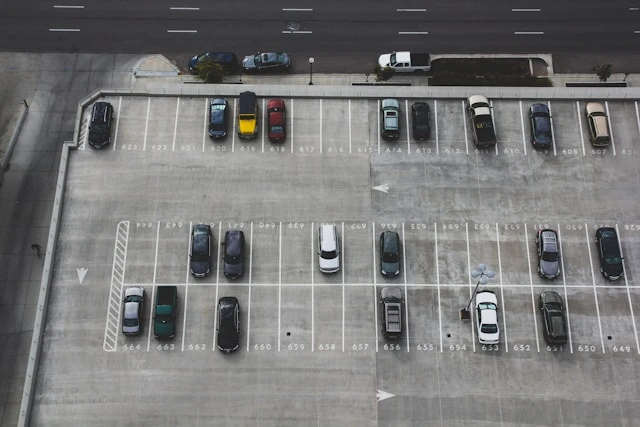

Parking is an integral part of our daily lives, whether we're heading to work, shopping, or visiting a friend. Yet, it often remains a source of stress and frustration. Navigating through crowded parking lots, finding an available space, and maneuvering into a tight spot can be challenging, especially for less experienced drivers. This is where Intelligent Parking Assist (IPA) systems come into play, transforming the mundane task of parking into a hassle-free experience.
The Evolution of Parking Technology
Parking technology has come a long way from its rudimentary beginnings. In the early days, parking aids consisted merely of physical cues like mirrors and guideposts. The advent of sensors and cameras marked a significant leap, offering drivers real-time feedback on their surroundings. Today, IPA systems represent the pinnacle of this evolution, leveraging advanced technologies like artificial intelligence (AI), machine learning, and sophisticated algorithms to make parking easier and safer than ever before.
How Intelligent Parking Assist Works
Intelligent Parking Assist systems use a combination of sensors, cameras, and onboard computers to detect and evaluate parking spaces. Here’s a step-by-step look at how these systems typically function:
Detection: As you drive through a parking area, sensors (usually ultrasonic or radar-based) and cameras scan for available parking spaces. The system can identify a suitable spot based on the size of your vehicle.
Assessment: Once a potential space is identified, the system assesses its dimensions and the surrounding environment. It evaluates whether the space is feasible for parking and checks for any obstacles that might interfere with the maneuver.
Guidance: Depending on the sophistication of the system, it can either provide visual and auditory guidance to the driver or take over control of the vehicle's steering, acceleration, and braking. Advanced systems offer fully autonomous parking capabilities, requiring minimal input from the driver.
Execution: For systems with autonomous capabilities, the vehicle will maneuver itself into the parking spot. The driver may need to monitor the process, but intervention is rarely necessary.
Benefits of Intelligent Parking Assist
The advantages of IPA systems extend beyond mere convenience. Here are some key benefits:
Safety: By minimizing human error, IPA systems significantly reduce the risk of accidents while parking. This is especially beneficial in crowded urban areas where space is limited and the margin for error is small.
Efficiency: Intelligent Parking Assist can make parking faster and more efficient, saving drivers time and reducing traffic congestion in parking lots. This efficiency is enhanced by parking lot control systems, which can manage and direct vehicles to available spots seamlessly.
Stress Reduction: Parking can be a stressful experience, particularly for novice drivers or those who struggle with spatial awareness. IPA systems alleviate this stress by providing assistance or taking over the task entirely.
Vehicle Preservation: Precise parking maneuvers help prevent minor collisions and scrapes that can damage your vehicle over time. This contributes to the longevity and aesthetic maintenance of your car.
Intelligent Parking Assist and Smart Cities
The integration of Intelligent Parking Assist systems is a crucial component of the broader concept of smart cities. Smart cities utilize digital technology to enhance urban living, making it more sustainable, efficient, and comfortable. IPA systems, combined with advanced parking lot control systems, play a significant role in this transformation.
Parking Lot Control Systems: These systems are designed to optimize the use of parking facilities. They use real-time data to manage parking spaces, directing vehicles to available spots and reducing the time spent searching for parking. By integrating IPA systems with these control systems, cities can further streamline parking operations, reducing congestion and improving the overall flow of traffic.
Environmental Impact: Efficient parking solutions contribute to environmental sustainability by reducing the amount of time vehicles spend idling and circling in search of a spot. This decrease in unnecessary driving cuts down on emissions, contributing to cleaner air and a healthier urban environment.
Data Utilization: Intelligent Parking Assist systems generate valuable data that can be used to improve urban planning and traffic management. This data can provide insights into parking patterns, peak times, and areas of high demand, enabling better resource allocation and infrastructure development.
The Future of Intelligent Parking Assist
As technology continues to advance, the capabilities of IPA systems are expected to grow. Future developments may include:
Enhanced AI and Machine Learning: More sophisticated algorithms will enable IPA systems to handle increasingly complex parking scenarios. Continuous learning from real-world data will refine their accuracy and reliability.
Integration with Autonomous Vehicles: As self-driving cars become more prevalent, the integration of IPA systems will be seamless. Fully autonomous vehicles will be able to park themselves without any human intervention, making parking a completely automated process.
Connectivity and IoT: The Internet of Things (IoT) will play a significant role in the evolution of parking technology. Connected vehicles will communicate with smart infrastructure, including parking lot control systems, to optimize parking in real-time. This connectivity will lead to a more cohesive and efficient parking ecosystem.
User Experience Enhancements: Future IPA systems will likely offer improved user interfaces, providing drivers with clearer instructions and more intuitive controls. Augmented reality (AR) could be used to overlay parking guidance directly onto the driver’s view, further simplifying the process.
Conclusion
Intelligent Parking Assist is not just a technological novelty; it’s a game-changer for urban mobility. By reducing the stress and hassle associated with parking, IPA systems improve the overall driving experience. When combined with advanced parking lot control systems, these technologies have the potential to revolutionize urban parking, making it more efficient, safer, and environmentally friendly.
As cities continue to grow and evolve, the demand for smarter, more efficient parking solutions will only increase. Intelligent Parking Assist stands at the forefront of this evolution, paving the way for a future where parking is no longer a dreaded chore but a seamless part of our daily routine. Whether you’re navigating a crowded city street or a bustling shopping center, IPA systems ensure that finding and securing a parking spot is easier than ever before.



























Sign in to leave a comment.