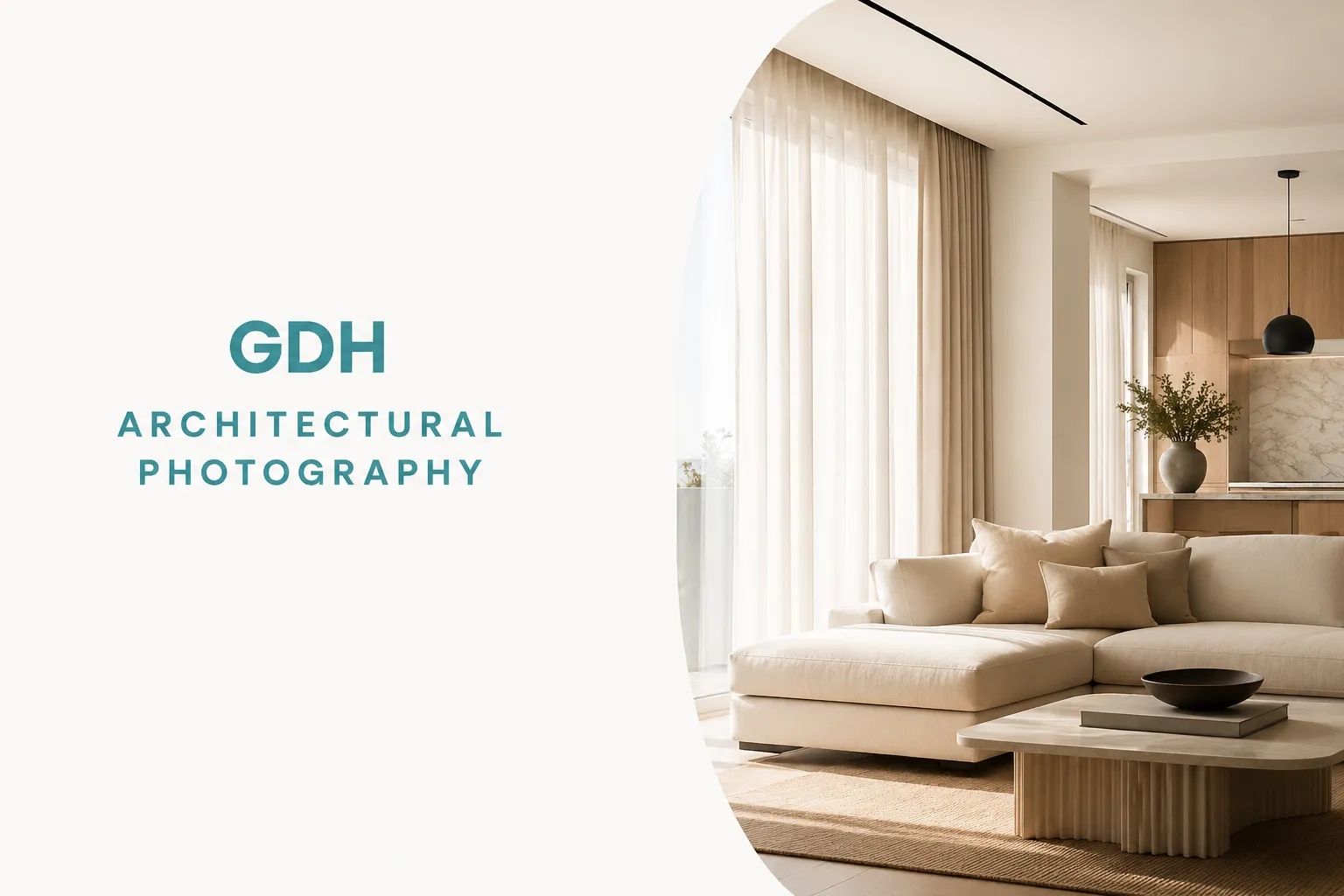

I still remember when most interior photos looked stiff and overly polished. Every pillow sat perfectly straight, every surface looked untouched, and the rooms felt more like furniture catalogs than actual spaces people lived in.
Things are different now.
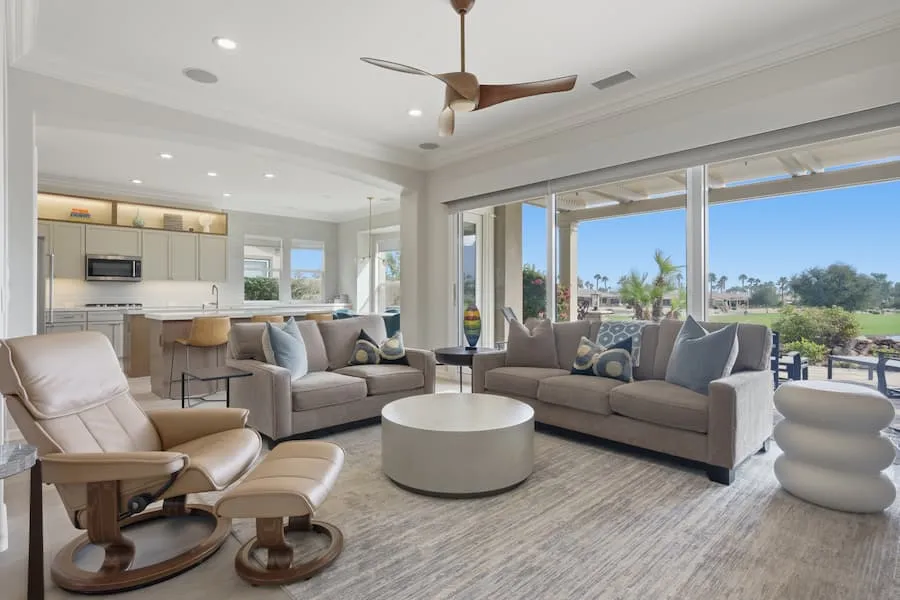
Today, clients want photos that feel natural. They want warmth. Personality. A sense that somebody actually uses the space instead of carefully tiptoeing around it in white socks all day.
That shift is exactly why interior design photography has become more important than ever for architects, designers, and property owners.
A well-designed room deserves better than quick phone photos with strange shadows and tilted walls. Sounds obvious, but you’d be surprised how often that still happens.
Good Interior Photos Do More Than Show a Room
A strong image can completely change how people see a project.
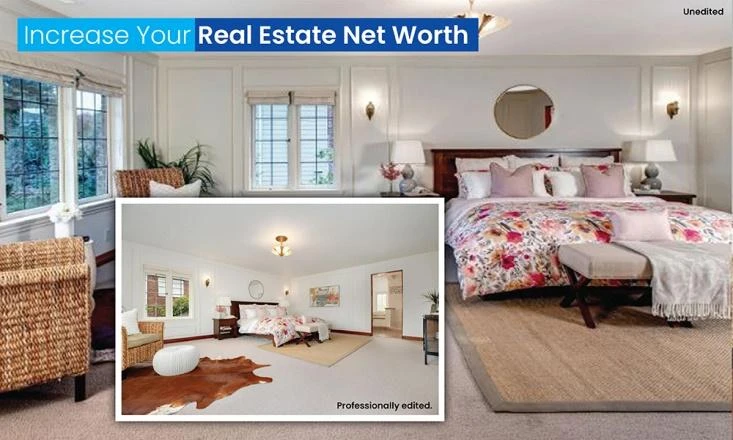
I’ve watched beautifully designed homes get ignored online because the photos felt dull or badly lit. At the same time, I’ve seen fairly simple spaces grab attention because the photography captured the atmosphere properly.
That’s the real job of interior photography. It’s not only about documenting furniture placement. It’s about translating mood through a camera.
And honestly, cameras can be annoyingly unforgiving.
A room that feels bright to your eyes may suddenly look dark in photos. Mirrors start reflecting things nobody noticed before. Tiny décor problems somehow become giant distractions. One crooked chair can ruin an otherwise perfect composition.
Photographers notice weird things after a while. Occupational hazard, I guess.
Why Lighting Makes or Breaks Interior Design Photography
Natural light is usually the hero of a good interior photo.
Soft daylight tends to make materials look realistic and comfortable. Wood textures feel warmer. Fabrics feel softer. The entire room feels more inviting.
Harsh lighting does the opposite.
A lot of inexperienced photographers rely too heavily on artificial flash, which often makes interiors feel flat and lifeless. You lose depth. Shadows disappear. Everything starts looking like a furniture showroom inside a supermarket.
Not exactly the vibe most designers want.
Professional interior photographers usually spend a surprising amount of time simply waiting for the right light. Sometimes the best image from an entire shoot happens during a ten-minute window in the late afternoon when the sunlight finally behaves itself.
And sunlight rarely behaves itself.
Exterior Architectural Photography Is a Completely Different Challenge
People often assume indoor and outdoor architectural photography are basically the same thing. They aren’t.
With exterior architectural photography, timing becomes critical. Buildings change dramatically depending on weather, shadows, and the position of the sun.
Cloudy skies can soften harsh lines beautifully. Golden-hour light can make concrete feel warmer and more textured. Midday sunlight, on the other hand, can turn even an expensive building into something that looks oddly aggressive.
Then there’s traffic, parked cars, reflections, landscaping problems, and random pedestrians wandering into frame at exactly the wrong moment.
Exterior photography requires patience. A lot of it.
Residential Architectural Photography Needs Emotion
When shooting homes, emotion matters more than perfection.
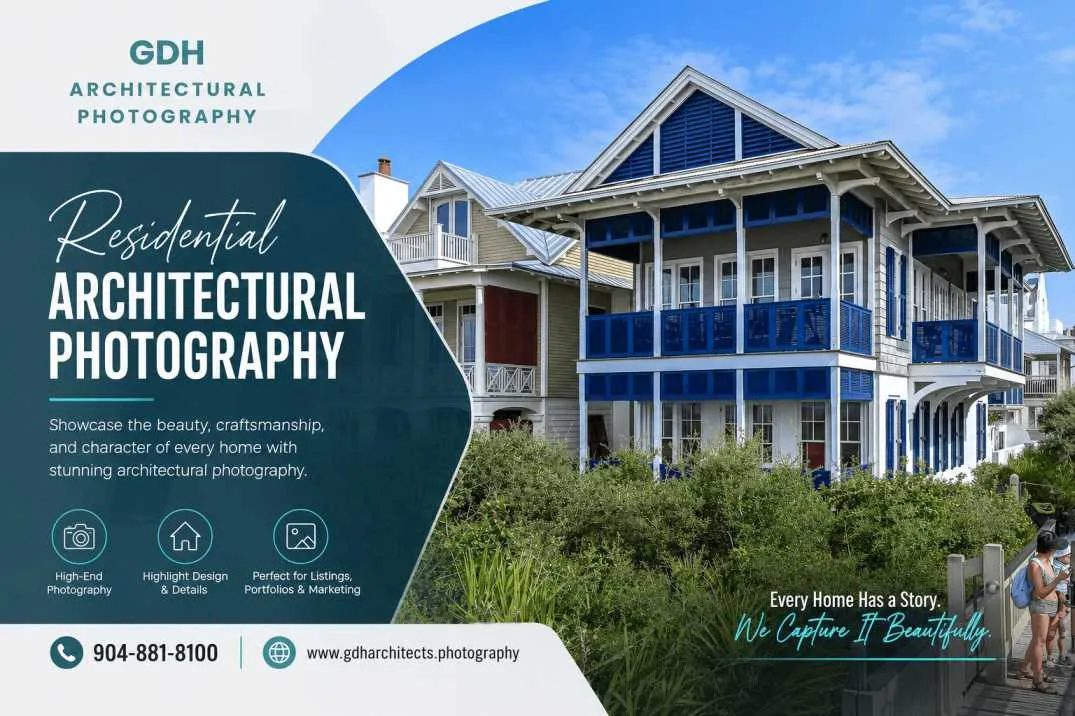
That’s one reason residential architectural photography works best when spaces feel believable rather than overly staged.
A slightly open curtain. A soft throw blanket. Morning light across a kitchen counter. Those little details help people imagine themselves inside the home.
Over-styled interiors can actually hurt the final image because they stop feeling personal.
I’ve noticed viewers connect more with spaces that feel lived-in instead of obsessively arranged. Nobody wants a home that feels too precious to sit down in.
Commercial Real Estate Photography Focuses on Purpose
Commercial spaces work differently.
With commercial real estate photography, the goal is usually to highlight both design and functionality. Offices need to feel productive. Hotels should feel welcoming. Restaurants should feel energetic without looking chaotic.
And every type of business has its own personality.
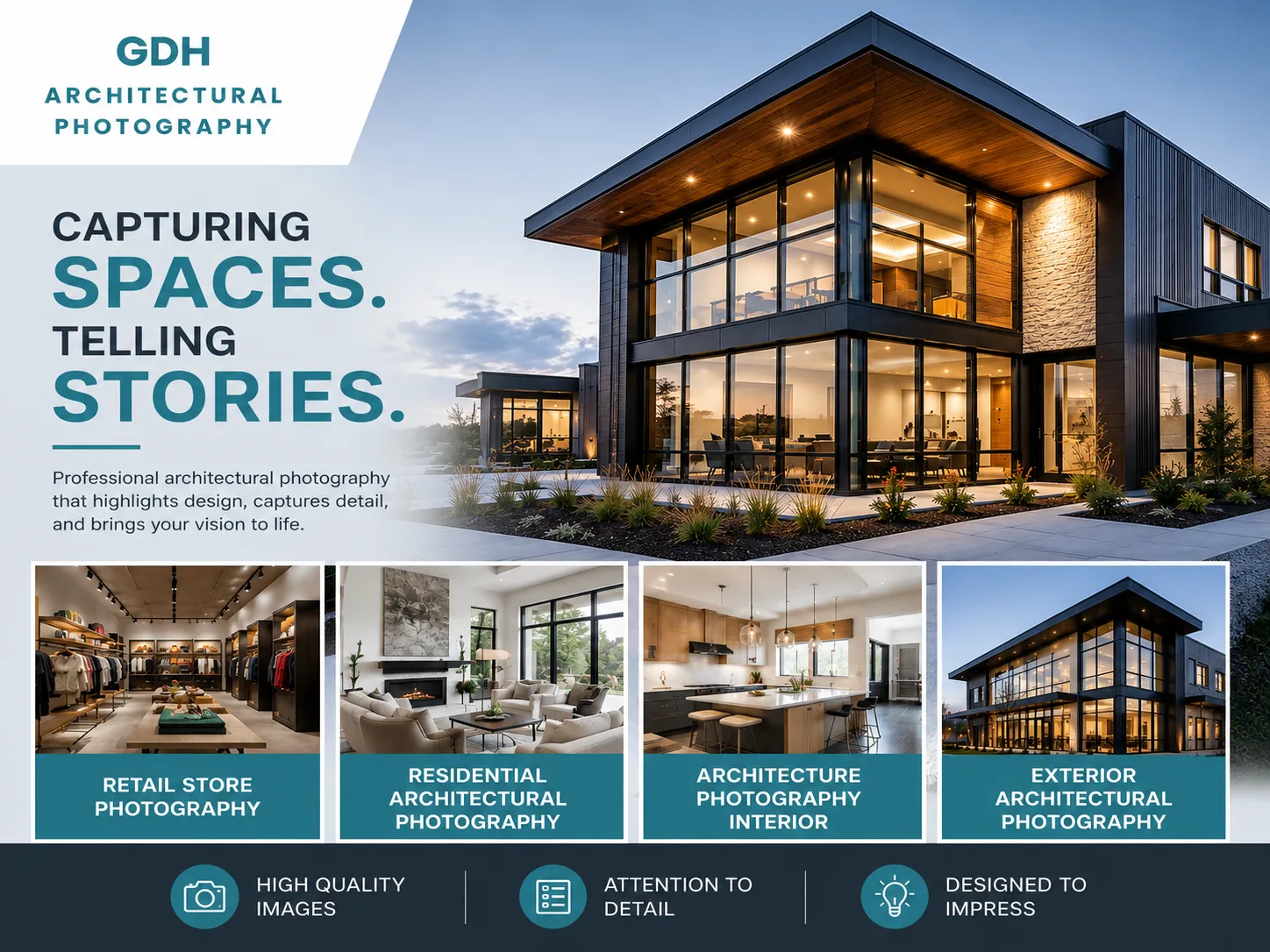
Photographing a luxury resort isn’t remotely similar to photographing a medical office or retail store. The lighting approach changes. The angles change. Even the editing style changes depending on the brand.
That’s something many people underestimate about architectural photography — there’s no single formula that works for every project.
Award Winning Architecture Photography Usually Feels Effortless
Funny enough, the best architectural images rarely scream for attention.
Most award winning architecture photography feels calm, balanced, and natural. Nothing looks forced. The composition simply works.
But behind that simplicity is usually a ridiculous amount of preparation.
Photographers may spend hours adjusting compositions, waiting for lighting conditions, or removing distractions from a scene. Sometimes moving one chair six inches changes the entire image.
That level of detail sounds obsessive until you compare average work with truly memorable photography.
Then it makes sense.
Interior Photography Is Really About Storytelling
At its core, interior photography is storytelling.
Every designer creates spaces for a reason. Maybe the goal is comfort. Maybe it’s luxury. Maybe it’s simplicity or creativity or calmness after a long day.
Photography should communicate that feeling immediately.
That’s one reason companies like GDH Architects focus so heavily on capturing atmosphere instead of simply taking technically correct photos.
Anybody can photograph a room.
Making people feel something when they look at it? That’s the difficult part.
Final Thoughts
Interior design photography isn’t about making spaces look fake or overly perfect. The strongest images usually feel honest.
They show texture. Light. Personality. Small imperfections that make a space feel real.
And honestly, those are the photos people remember.























Sign in to leave a comment.