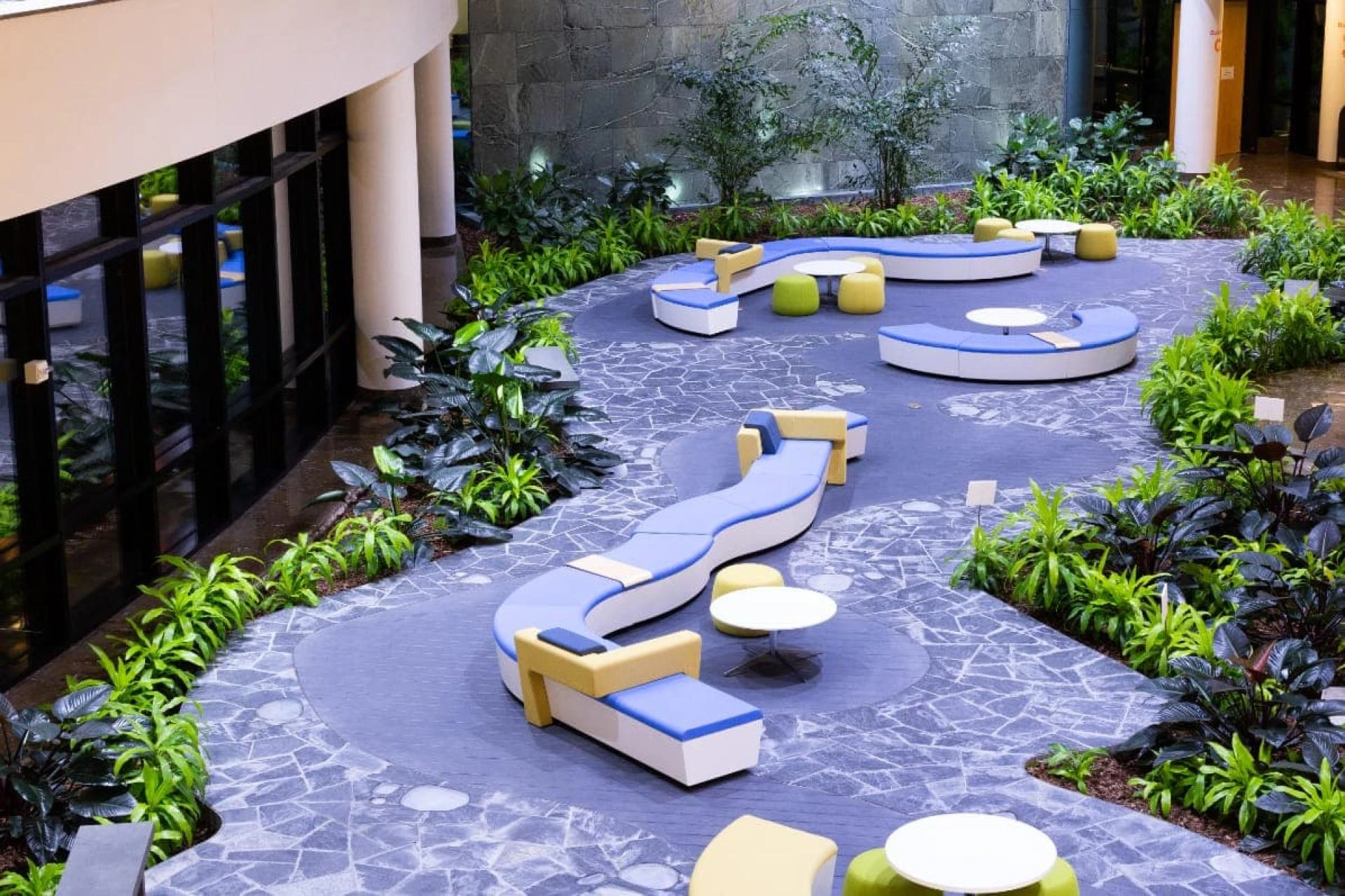

Creating a relaxing home environment is essential for well-being, productivity, and overall comfort. One of the most effective yet often overlooked methods to achieve this is through interior landscaping. Interior landscaping involves strategically incorporating plants, greenery, and natural elements into indoor spaces to enhance aesthetics, air quality, and mood. This article explores the benefits, techniques, and considerations for using interior landscape to transform any home into a serene sanctuary.
Understanding Interior Landscaping
What Is Interior Landscaping
Interior landscaping is the art and science of integrating plants and other natural elements into indoor spaces. Unlike traditional home décor, which primarily focuses on furniture, color schemes, and accessories, interior landscaping emphasizes the use of living plants to create harmony between indoor environments and nature.
Importance of Interior Landscaping
In modern homes, people often spend the majority of their time indoors. Incorporating an interior landscape can help bridge the gap between the natural world and indoor living spaces. This connection promotes relaxation, reduces stress, and enhances overall mental well-being. Studies have shown that exposure to greenery can lower heart rates, improve mood, and even boost productivity.
Benefits of Interior Landscaping in the Home
Enhances Aesthetic Appeal
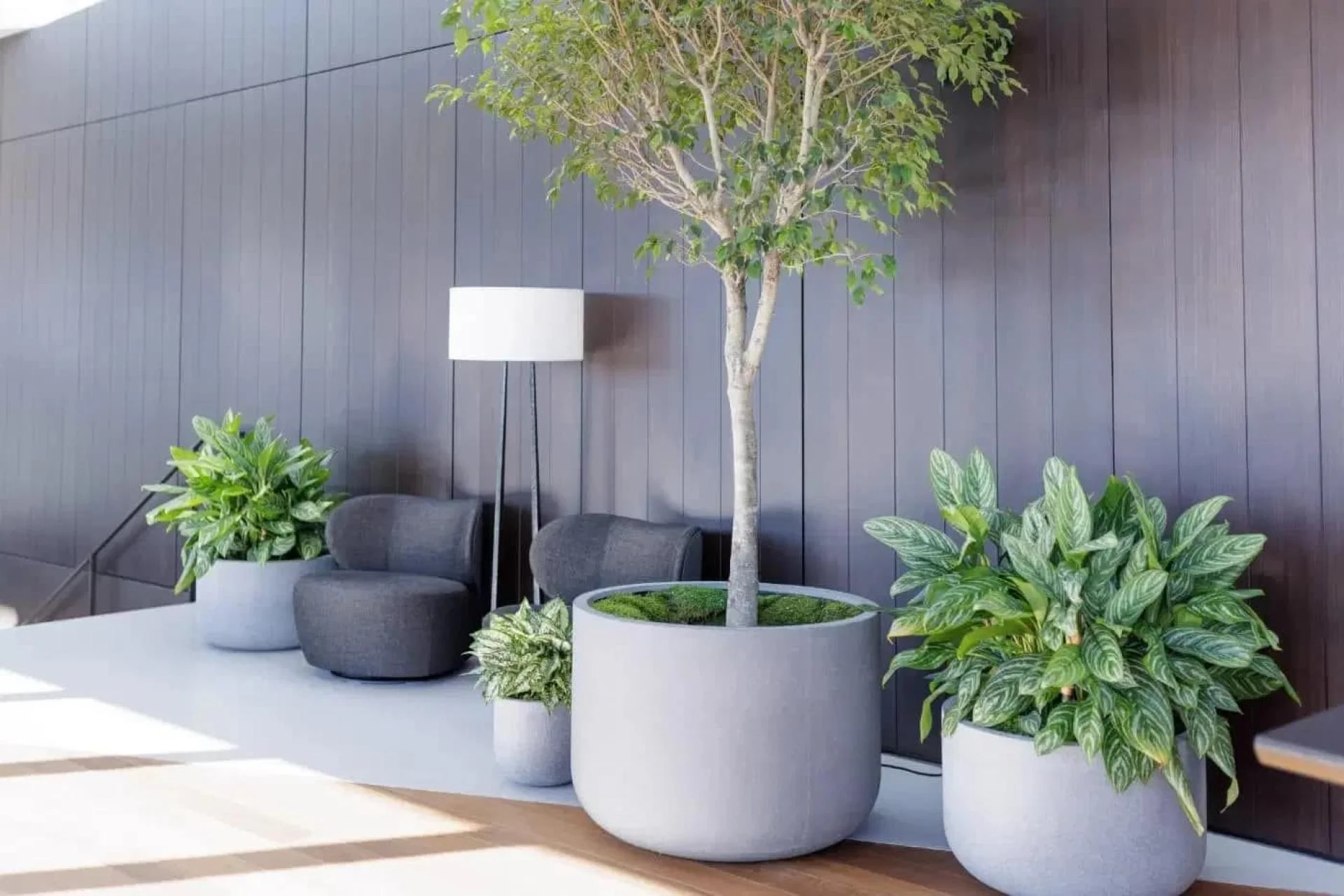
Interior landscapes instantly elevate the visual appeal of any room. Plants come in various shapes, sizes, and colors, allowing homeowners to create customized designs that complement their décor. For instance, tall leafy plants can provide a natural focal point, while small potted plants can add texture and interest to shelves, tables, or windowsills.
Improves Air Quality
Indoor plants are natural air purifiers. They absorb carbon dioxide and release oxygen, contributing to fresher indoor air. Certain plants also help remove toxins and pollutants, such as formaldehyde and benzene, from the air. By improving air quality, interior landscaping supports better respiratory health and creates a cleaner, more breathable environment.
Promotes Relaxation and Stress Reduction
The presence of plants has a calming effect on the human mind. Interior landscaping can reduce stress levels, lower blood pressure, and enhance mental clarity. A well-designed interior landscape encourages mindfulness and provides a soothing escape from daily pressures, making the home a true sanctuary.
Boosts Productivity and Creativity
In addition to relaxation, interior landscapes can enhance productivity and creativity. Studies in office and home settings have shown that people working in environments with plants tend to be more focused, generate more creative ideas, and experience less fatigue. For students or remote workers, this translates to more efficient and enjoyable work sessions at home.
Key Elements of Interior Landscaping
Plant Selection
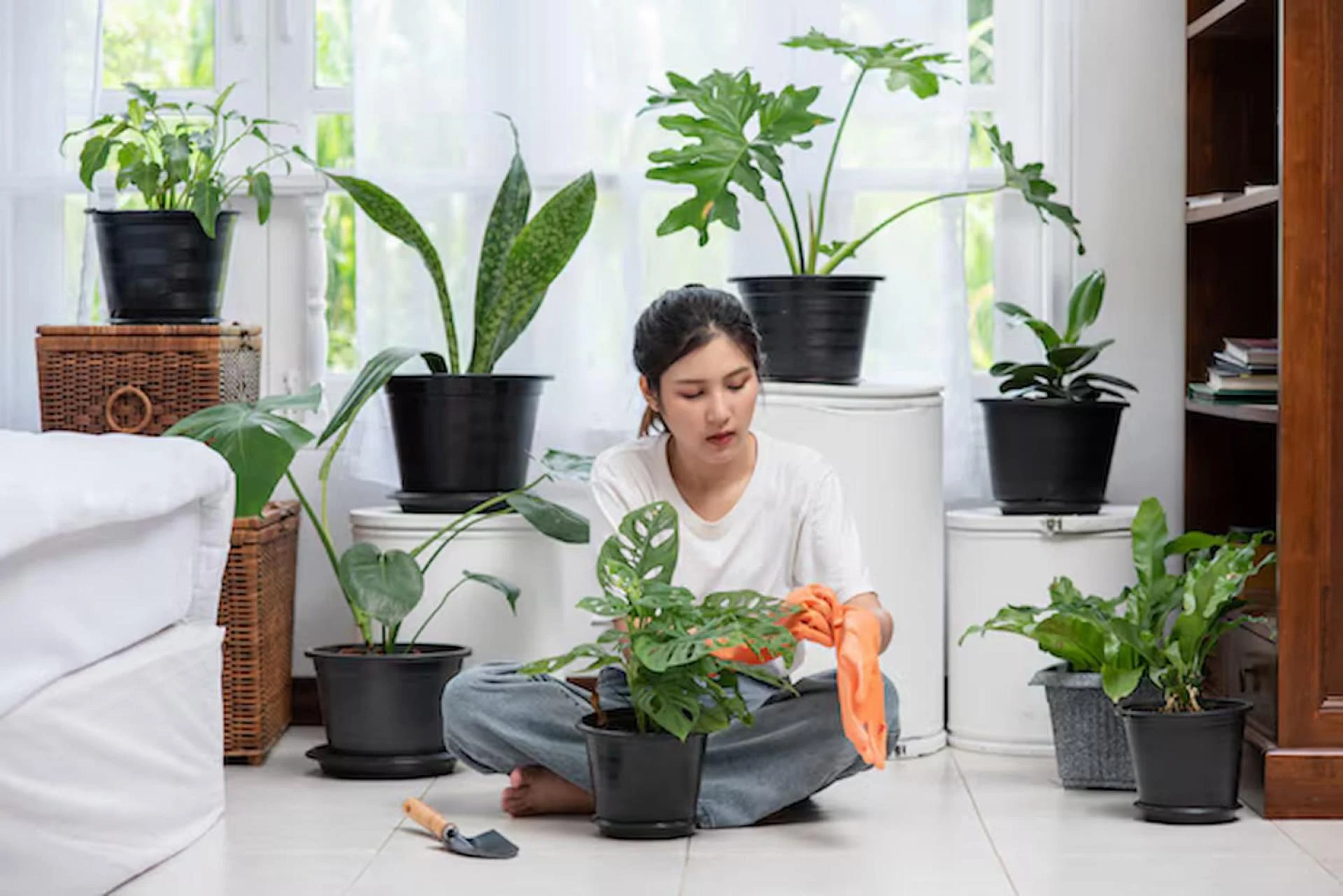
Choosing the right plants is crucial for a successful interior landscape. Factors such as lighting conditions, humidity, and space availability should guide plant selection. Low-maintenance plants, like snake plants or pothos, are ideal for areas with limited sunlight, while ferns or peace lilies thrive in more humid environments.
Placement and Arrangement
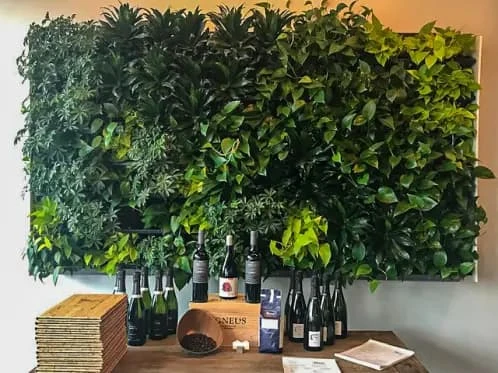
The placement of plants greatly affects the overall ambiance. Grouping plants of varying heights and textures can create visual interest and a natural flow. Corner spaces, near windows, or on tables and shelves are perfect spots to add greenery without cluttering the room. Additionally, vertical gardens or hanging plants are excellent solutions for small spaces.
Decorative Containers
Containers and pots are not just functional but also contribute to the aesthetic of an interior landscape. Selecting containers that complement the home’s décor can enhance the overall design. Materials such as ceramic, terracotta, or woven baskets can add a touch of elegance or rustic charm to the space.
Lighting Considerations
Lighting is an essential element for healthy plant growth. Natural sunlight is ideal for most indoor plants, but artificial lighting, such as LED grow lights, can supplement areas with limited sunlight. Understanding each plant’s light requirements ensures they remain vibrant and healthy.
Interior Landscaping Design Ideas for Different Spaces
Living Room
The living room is often the central hub of a home, making it an ideal space for an interior landscape. Large potted plants can serve as statement pieces, while small plants on coffee tables or shelves add subtle greenery. Combining plants with natural textures, like wooden furniture or jute rugs, enhances the overall calming effect.
Bedroom
Interior landscaping in the bedroom can promote better sleep and relaxation. Plants like lavender, aloe vera, or snake plants are known for their soothing properties and air-purifying abilities. Placing small plants on bedside tables or near windows can create a serene and restful atmosphere.
Kitchen and Dining Area
The kitchen and dining areas benefit from plants that improve air quality and add freshness. Herbs such as basil, rosemary, and mint not only serve a decorative purpose but also provide practical use for cooking. Additionally, small potted plants on dining tables or windowsills can make mealtime more enjoyable.
Home Office
For a home office, interior landscaping can significantly boost focus and productivity. Incorporating greenery near workstations or on shelves helps reduce mental fatigue and increases creative thinking. Plants that require minimal maintenance, like ZZ plants or succulents, are perfect for busy professionals or students.
Maintenance Tips for Interior Landscapes
Watering
Proper watering is essential for plant health. Overwatering can lead to root rot, while underwatering can cause wilting and stunted growth. Understanding each plant’s specific watering needs ensures long-term vitality.
Pruning and Cleaning
Regular pruning and cleaning help maintain the aesthetics of the interior landscape. Removing dead leaves, trimming overgrown branches, and wiping dust from leaves allow plants to thrive and look their best.
Fertilization
Indoor plants may require occasional fertilization to replenish nutrients in the soil. Using balanced fertilizers during the growing season encourages healthy growth and vibrant foliage.
Monitoring for Pests
Although indoor plants are less prone to pests than outdoor plants, monitoring for signs of infestation is important. Common indoor plant pests include spider mites, aphids, and mealybugs. Prompt treatment can prevent damage and keep plants healthy.
Interior Landscaping as a Lifestyle Choice
Incorporating interior landscaping is more than just a design choice; it is a lifestyle decision that prioritizes health, relaxation, and well-being. A home enriched with plants fosters mindfulness, encourages a connection to nature, and creates a nurturing environment for all residents.
By understanding the principles of interior landscaping, choosing the right plants, and maintaining them properly, anyone can transform their home into a peaceful retreat. Whether for aesthetic beauty, air quality improvement, or stress relief, interior landscaping provides tangible benefits that enhance everyday living.
Conclusion
Interior landscaping offers a unique and effective way to cultivate a relaxing home environment. From improving air quality and aesthetics to promoting relaxation and creativity, the benefits of incorporating greenery into indoor spaces are extensive. By carefully selecting plants, arranging them thoughtfully, and maintaining their health, homeowners can enjoy a serene and vibrant living space. For professional guidance and tailored interior landscape solutions, Interior Plantscapes provides expert services to help transform homes into lush, calming environments.



























Sign in to leave a comment.