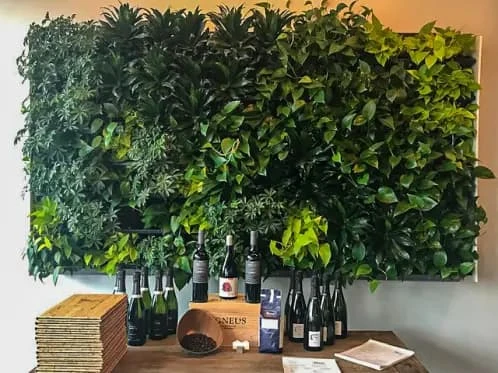

Indoor green walls have become a popular feature in modern interiors, providing aesthetic appeal, improved air quality, and a connection to nature within built environments. Selecting the right indoor green wall system requires careful consideration to ensure it complements the space, meets maintenance capabilities, and supports plant health. This guide explores the key factors to consider when choosing an indoor green wall system and offers practical advice for making an informed decision.
Understanding Indoor Green Walls
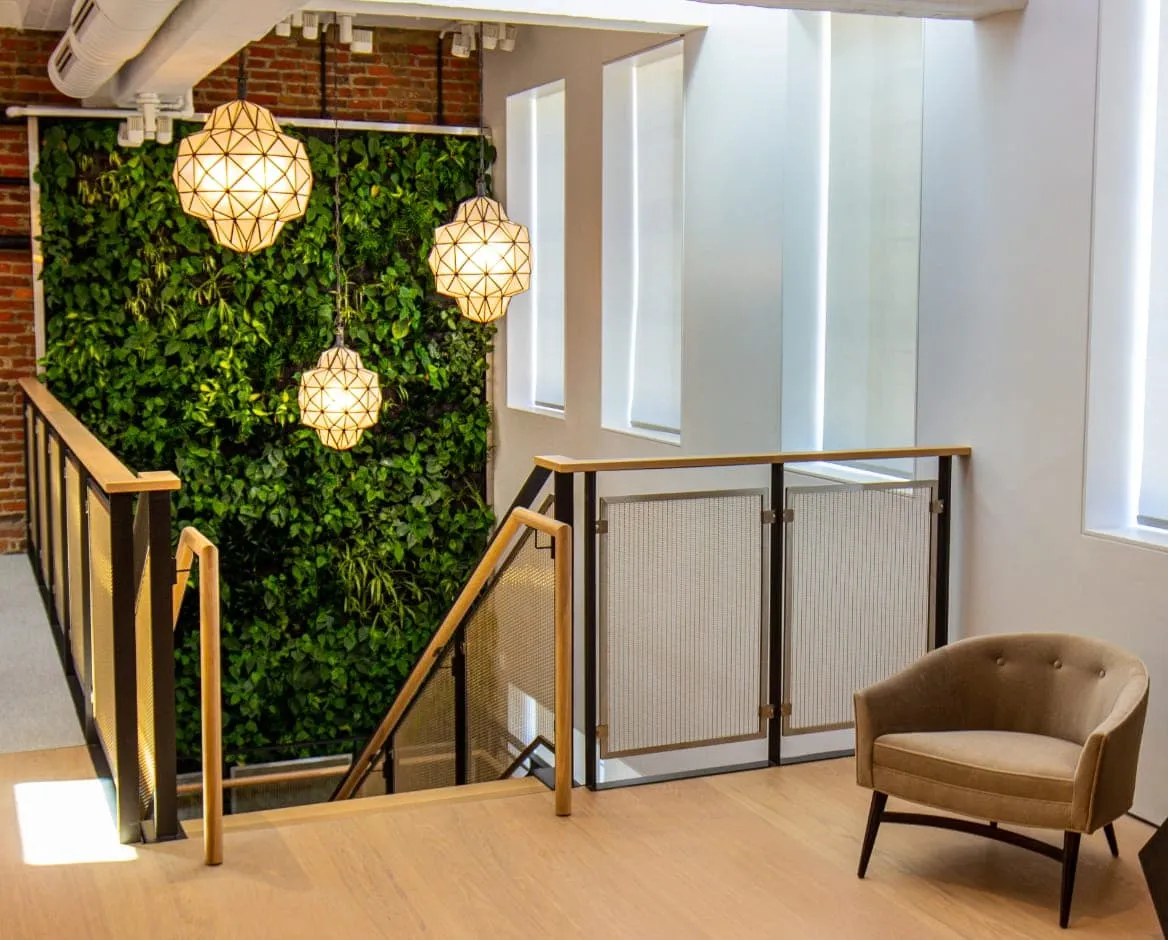
Indoor green walls, also known as living walls or vertical gardens, are installations where plants grow vertically on a structure attached to a wall. Unlike traditional potted plants, green walls maximize space while creating a visually striking and environmentally beneficial feature. These walls can vary in size, plant types, and complexity, and they can be installed in residential, commercial, or public spaces.
Benefits of Indoor Green Walls
Indoor green walls offer numerous advantages beyond their visual appeal. They can improve air quality by absorbing carbon dioxide and releasing oxygen, reducing airborne pollutants, and regulating humidity levels. Additionally, green walls contribute to psychological well-being, helping reduce stress and enhance mood through exposure to natural elements. They can also serve as natural sound barriers, helping reduce noise levels in busy environments.
Components of an Indoor Green Wall System
A typical indoor green wall system consists of several essential components. These include the structural framework, a growing medium or substrate, irrigation and drainage systems, and the selected plants. Understanding these components is critical for determining the system’s suitability for a specific space and maintenance capacity.
Factors to Consider When Choosing a Green Wall System
Selecting the right indoor green wall system involves evaluating multiple factors, from the type of space to the level of maintenance required. Careful planning ensures that the wall remains healthy, visually appealing, and functional for years.
Space and Location
The available space and wall location are key considerations. Indoor green walls require adequate light, either natural or artificial, to support plant growth. South or west-facing walls may receive more sunlight, while areas with limited light may require supplemental grow lights. Ceiling height, wall strength, and accessibility should also be assessed to ensure the structure can safely support the weight of plants, soil, and water.
Plant Selection
Choosing the right plants is critical for a successful green wall. Indoor plants must thrive in the specific environmental conditions of the space. Low-light tolerant plants such as ferns, pothos, and philodendrons work well in dimly lit areas, while succulents and herbs may require brighter spaces. Consider plant growth patterns, leaf texture, and color to create an appealing design that will continue to look vibrant over time.
System Type
Indoor green wall systems come in different types, each with distinct advantages and challenges. Modular panel systems offer flexibility in design and are easy to install and maintain. Felt or fabric-based systems provide excellent water distribution and are suitable for smaller spaces. Tray systems allow individual plant replacement, making them convenient for high-maintenance or dynamic plant arrangements. Understanding the pros and cons of each system type helps identify the most suitable option for the intended space and purpose.
Irrigation and Drainage
Proper irrigation is essential for plant health. Automated irrigation systems ensure plants receive consistent moisture, reducing the risk of under- or overwatering. Some systems include built-in sensors to monitor water levels and adjust watering schedules accordingly. Drainage is equally important to prevent water damage to walls and floors. Ensure the system has a reliable method for directing excess water away from the wall structure.
Maintenance Requirements
Maintenance is a crucial consideration when selecting an indoor green wall. Some systems are low-maintenance, requiring occasional pruning and fertilization, while others demand daily care. Consider the availability of staff or personnel to manage plant care. Selecting plants that naturally resist pests and diseases can reduce maintenance efforts and ensure the wall remains healthy over time.
Budget Considerations
Cost is always a factor when choosing an indoor green wall system. Expenses may include design, installation, plant procurement, irrigation systems, and ongoing maintenance. Modular systems may have a higher upfront cost but can be more cost-effective in the long term due to ease of maintenance. Balancing aesthetics, functionality, and budget ensures a sustainable and attractive investment.
Design Considerations
The visual impact of an indoor green wall largely depends on design choices. Strategic planning allows the wall to complement interior décor while promoting plant health.
Color and Texture
Incorporating a mix of plant colors and textures creates visual interest and depth. Contrasting leaf shapes, sizes, and shades of green can transform a simple wall into a dynamic centerpiece. Seasonal variations in plant growth and bloom cycles can also add a changing visual element throughout the year.
Wall Size and Shape
Consider the dimensions of the wall and the overall layout of the space. Large walls may require structural reinforcement and more extensive irrigation systems. Irregularly shaped walls may benefit from modular panels that can be customized to fit specific dimensions. A well-proportioned design ensures the green wall integrates seamlessly with the surrounding architecture.
Lighting
Lighting is one of the most critical design elements for indoor green walls. Natural light is ideal for most plant species, but not all indoor spaces receive sufficient sunlight. Installing full-spectrum LED grow lights can supplement or replace natural light, ensuring plants receive the energy needed for photosynthesis. Lighting placement should avoid shadows and ensure uniform coverage across the wall.
Installation Considerations
Installing an indoor green wall involves more than simply attaching plants to a surface. Professional installation ensures the system is secure, properly irrigated, and designed for long-term success.
Wall Preparation
Proper wall preparation is necessary to support the weight and moisture of the green wall system. Reinforcements may be required for heavier modular panels, while moisture-resistant backings help prevent damage to underlying walls. Ensuring a stable, level surface is essential for both aesthetics and structural integrity.
Irrigation Setup
During installation, careful attention should be paid to the irrigation system. Piping, pumps, and drainage components must be installed correctly to prevent leaks and water damage. Automated irrigation systems should be tested for consistent water delivery to all plant sections.
Plant Placement
Thoughtful plant placement maximizes visual appeal and ensures optimal growth. Taller plants or those with broader leaves should be placed where they do not overshadow smaller or lower-light species. Grouping plants with similar water and light requirements simplifies maintenance and promotes long-term plant health.
Ongoing Care and Sustainability
A well-chosen green wall system requires consistent care to maintain its benefits and appearance. Regular maintenance tasks include pruning, fertilization, pest management, and monitoring irrigation systems. Rotating plants as needed ensures a continuous, vibrant display. Choosing native or low-maintenance plants can reduce environmental impact and minimize water usage, contributing to sustainability.
Conclusion
Choosing the right indoor green wall system involves a balance of aesthetics, practicality, and environmental considerations. By evaluating factors such as space, plant selection, system type, irrigation, maintenance, and budget, it is possible to create a thriving vertical garden that enhances interior spaces. Proper design, installation, and ongoing care ensure that indoor green walls remain a visually stunning and environmentally beneficial feature for years to come.
For businesses or homeowners looking to implement a beautiful and sustainable indoor green wall, Interior Plantscapes can provide expert guidance and tailored solutions to bring any space to life. When thoughtfully planned and executed, an indoor green wall can transform any interior into a lush, healthy, and inspiring environment, providing both functional benefits and natural beauty.






















Sign in to leave a comment.