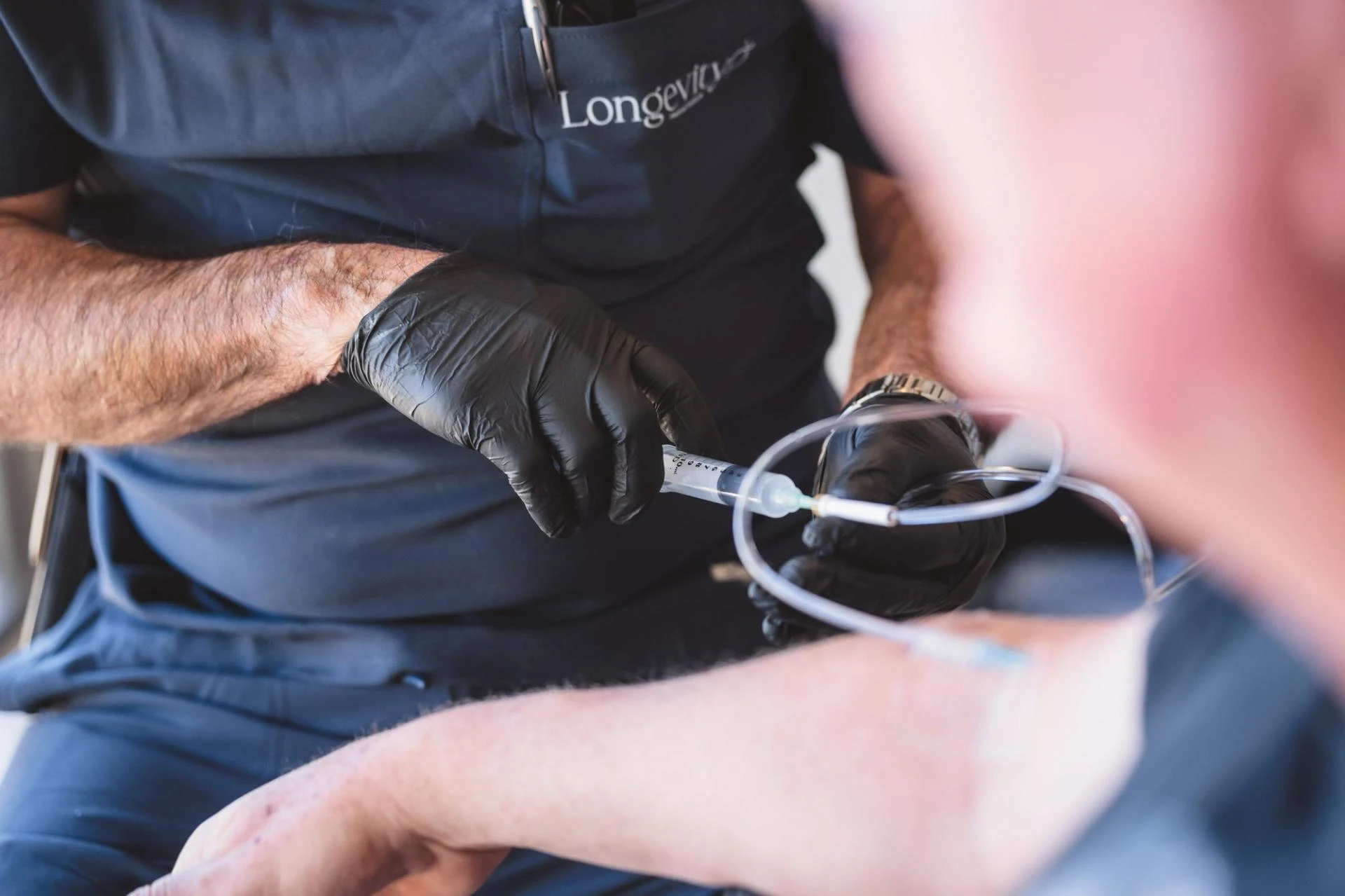

Think about how a small cut on your finger heals in just a few days. Your body instinctively knows how to repair itself. Now imagine if that same natural ability could be harnessed on a much larger scale—to heal damaged joints, restore heart tissue after a heart attack, or even reverse some effects of ageing. That’s the promise of cell regeneration therapy, a core part of cell regenerative medicine.
Over the past decade, research in this field has grown rapidly. Once seen as science fiction, treatments like stem cell therapy, platelet-rich plasma (PRP), and exosome therapy are now being used in clinics worldwide. The focus is simple but powerful: help the body heal itself by stimulating natural repair mechanisms rather than masking symptoms with drugs or performing highly invasive surgeries.
At institutions like the Longevity Institute, this science isn’t just theory—it’s being applied every day to help patients regain mobility, reduce chronic pain, and improve their quality of life.
What is Regenerative Medicine?
Regenerative medicine is more than a buzzword. It’s a medical revolution. Unlike traditional approaches that focus primarily on managing conditions, regenerative therapies aim to restore function and vitality by repairing tissues at their very foundation: the cells.
Key Principles of Regenerative Medicine
- Repair – Fixing damaged tissues caused by injury or disease.
- Replacement – Introducing healthy cells to replace those that no longer function.
- Regeneration – Stimulating the body’s own mechanisms to rebuild tissues.
- Rejuvenation – Slowing down or even reversing the effects of ageing at the cellular level.
The Role of Stem Cells in Healing
Stem cells are the backbone of regenerative medicine. Often referred to as the body’s “master cells,” they can transform into specialized cells like bone, cartilage, or muscle. In therapies, they’re used to replace damaged tissues, reduce inflammation, and jump-start the healing process. For example, mesenchymal stem cells (MSCs) show promising results in treating arthritis, autoimmune conditions, and even cardiovascular issues.
How Cell Regeneration Therapy Works
Cell regeneration therapy is essentially about supporting and accelerating what your body is already designed to do. By introducing regenerative agents, doctors can guide healing to the right place, in the right way, and often much faster than the body would on its own.
Cellular Repair and Renewal
When cells are damaged—whether by aging, injury, or disease—they can lose their ability to function. Regenerative therapies bring in “fresh recruits,” either by activating existing stem cells in the body or by introducing new ones. This process improves tissue quality, restores strength, and often leads to long-term benefits instead of temporary fixes.
Types of Regenerative Therapies Used Today
- Stem Cell Therapy – Using multi-potent stem cells to replace damaged tissue.
- Platelet-Rich Plasma (PRP) – Drawing and concentrating a patient’s own blood platelets to boost healing.
- Exosome Therapy – Employing natural cell messengers that carry instructions to damaged tissues.
- Tissue Engineering – Combining scaffolds, cells, and bio-logics to rebuild functional tissue.
7 Key Benefits of Cell Regeneration Therapy
1. Accelerated Healing Process
Patients often recover faster after injuries or surgeries. For example, athletes who undergo PRP injections for ligament injuries may return to play weeks earlier than with conventional treatments.
2. Reduction in Chronic Pain
Instead of masking pain with medications, regenerative therapy tackles its source. This reduces dependence on opioids and provides longer-lasting relief.
3. Minimally Invasive Treatment
Most procedures involve injections rather than surgeries. That means lower risks, less downtime, and quicker return to normal life.
4. Long-Term Tissue Regeneration
Unlike short-term treatments that simply patch up problems, regenerative medicine encourages lasting tissue repair. Patients often see benefits that extend for years, not just months.
5. Personalised and Targeted Healing
Therapies can be customised. For example, your own cells can be used in PRP or stem cell therapy, making treatment more effective and reducing risks.
6. Lower Risk of Rejection
Because many therapies use auto-logous (from your own body) materials, the immune system rarely reacts negatively.
7. Potential to Reverse Ageing Effects
Perhaps the most exciting area of research is cellular rejuvenation. Early studies suggest regenerative medicine could slow or even reverse markers of biological ageing, improving energy, appearance, and vitality.
Current Applications in Healthcare
Orthopaedic Regeneration
From torn ligaments to arthritis, regenerative medicine is offering hope where joint replacements or long-term painkillers used to be the only options.
Neurological Repair
Though still in early stages, research shows potential for stem cells to help conditions like Parkinson’s disease, multiple sclerosis, and spinal cord injuries.
Cardiovascular Healing
Stem cell injections are being studied for their ability to regenerate heart tissue damaged by heart attacks—a potential breakthrough for millions.
Skin and Cosmetic Rejuvenation
PRP facials (sometimes known as “vampire facials”), stem cell hair restoration, and exosome skin treatments are revolutionising cosmetic medicine with natural results.
Future of Regenerative Medicine
The road ahead is full of possibilities.
Clinical Trials and Emerging Research
Dozens of trials are exploring therapies for autoimmune diseases, diabetes, and even full organ regeneration. What was unimaginable just 20 years ago is now being tested in labs and clinics.
AI and Biotechnology in Cell Regeneration
Artificial intelligence is helping scientists analyse cell behaviour, predict treatment outcomes, and refine personalised medicine. Meanwhile, advances in biotechnology are improving how cells are delivered, making therapies safer and more effective.
Common Misconceptions and Myths
- Myth: Regenerative medicine is experimental and unsafe.
- Fact: Many treatments, like PRP, are widely used and FDA-cleared for certain conditions. Safety improves with ongoing research.
- Myth: It provides instant results.
- Fact: Healing takes time. Results may appear gradually over weeks or months, depending on the condition.
- Myth: It’s only for athletes or the wealthy.
- Fact: While early adopters were often athletes, more clinics now offer accessible options for everyday patients.
FAQs on Cell Regeneration Therapy
1. Is cell regeneration therapy safe?
Yes, especially when performed by trained professionals using FDA-compliant methods. Risks are generally low.
2. How soon can results be expected?
Improvements often appear within weeks, though complete healing may take months.
3. Do regenerative treatments hurt?
Most involve injections, so discomfort is minimal and far less than surgical alternatives.
4. Can it really treat ageing?
While it’s not a magic cure, early research suggests regenerative therapies can slow down or reverse some ageing markers.
5. Is it covered by insurance?
Coverage varies. Some treatments are still considered elective, but this may change as evidence grows.
6. Where can I learn more?
Institutions like the Longevity Institute publish research and provide detailed treatment information.
Conclusion
Cell regeneration therapy is not just another medical trend—it’s a genuine breakthrough. By empowering the body to heal itself, regenerative medicine offers hope for chronic pain, age-related decline, and even diseases once thought un-treatable.
From faster healing to the potential for reversing ageing, this field represents one of the most exciting medical frontiers of our time. While we’re only at the beginning, the future looks bright—and regenerative medicine may very well redefine how we think about health, ageing, and longevity.


























Sign in to leave a comment.