

Social work is a dynamic and multidisciplinary profession that is dedicated to enhancing the well-being and quality of life for individuals, families, groups, and communities. Rooted in principles of social justice, human rights, and empowerment, social workers strive to address societal challenges and promote positive change. Here is an introduction to social work and the key elements of social work:
1. Definition:
Social work is a profession that seeks to improve the overall functioning and social conditions of individuals and communities. Social workers aim to empower people, enhance their capacities, and address social inequalities.
2. Values and Ethics:
Social work is guided by a set of core values, including respect for the dignity and worth of individuals, a commitment to social justice, a focus on the importance of human relationships, and a dedication to professional integrity and competence. Ethical considerations are central to the practice of social work.
3. Mission and Goals:
The primary mission of social work is to enhance the well-being of individuals and promote a just and equitable society. Social workers work towards achieving social change, advocating for vulnerable populations, and addressing systemic issues that contribute to social problems.
4. Areas of Practice:
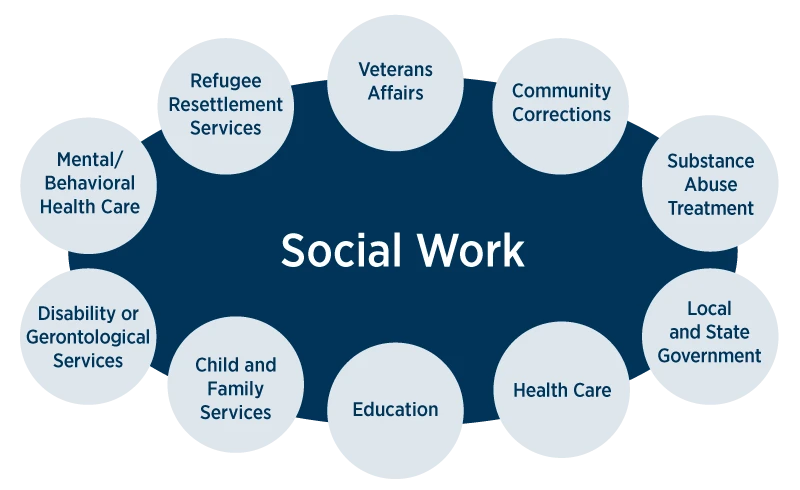
Social work is a versatile profession with practitioners working in various settings, including healthcare, schools, mental health agencies, child welfare organizations, and community development programs. Social workers may specialize in clinical practice, macro-level social work, or a combination of both.
5. Roles and Functions:
As the introduction to social work allows one to comprehend and engage in a range of roles and functions. Indeed, which include assessment, counseling, case management, advocacy, community organizing, research, and policy development. The specific roles may vary based on the setting and the focus of practice.
6. Client Systems:
Social workers work with diverse client systems, including individuals, families, groups, and communities. They recognize the interconnectedness of social issues and strive to address the complex and multifaceted needs of their clients.
7. Micro, Mezzo, and Macro Levels:
Social work operates on multiple levels. Micro-level social work involves working directly with individuals and families. Mezzo-level social work involves working with groups and organizations. Macro-level social work involves addressing larger societal issues and advocating for systemic change.
8. Education and Training:
Social workers typically undergo rigorous education and training, earning a bachelor’s degree (BSW) or master’s degree (MSW) in social work. Licensing and certification requirements vary by region, and many social workers pursue continuing education to stay current with evolving practices.
9. Cultural Competence:
Cultural competence is a fundamental aspect of social work. Social workers strive to understand and respect the cultural backgrounds, values, and identities of their clients, recognizing the importance of diversity and inclusivity in their practice.
10. Professional Associations:
Social workers often join professional associations, such as the National Association of Social Workers (NASW) in the United States, to access resources, engage in professional development, and connect with other social work professionals.
In summation, social work is a compassionate and action-oriented profession that seeks to create positive social change by addressing individual and collective challenges. Social workers are dedicated to fostering resilience, advocating for justice, and promoting the well-being of all members of society.
Historical Background of Social Work
When the introduction to social work is brought under consideration it is seen that the origins of social work can be traced back to various historical and cultural developments, and it evolved as a response to the societal challenges of different eras. While many individuals and movements contributed to the development of social work, several key figures are often recognized for their significant roles:
Octavia Hill (1838–1912):
Octavia Hill, a British social reformer, is considered one of the pioneers of social work. In the late 19th century, she founded the Charity Organization Society in London, emphasizing the importance of organized philanthropy and addressing the root causes of poverty.
Mary Ellen Richmond (1861–1928):
Mary Ellen Richmond, an American social work pioneer, is often referred to as the “founder of social work.” She played a crucial role in shaping social work education and practice. Richmond emphasized the importance of scientific methods and social research in social work.
Jane Addams (1860–1935):
Jane Addams, an American social reformer and the co-founder of Hull House in Chicago, is widely recognized as a key figure in the development of social work in the United States. Hull House, established in 1889, served as a settlement house providing social services to the immigrant community.
While these individuals and movements played crucial roles in the development of social work, it’s essential to recognize that the field has evolved over time, with contributions from numerous professionals and organizations. Today, social work is a global profession with practitioners addressing a wide range of social issues and promoting social justice and well-being.
How to Become an Effective Social Worker?
Becoming an effective social worker requires a combination of education, skills development, personal qualities, and a commitment to the values of the profession. Here are some key steps to help you become an effective social worker:
Education and Training:
· Obtain the necessary education in social work. This typically involves earning a bachelor’s degree (BSW) or master’s degree (MSW) in social work from an accredited program. Advanced degrees (MSW) may open up more opportunities for specialization and leadership roles.
Gain Practical Experience:
· Engage in field placements or internships during your education to gain hands-on experience. Practical exposure is crucial for developing the skills necessary for effective social work practice.
Develop Communication Skills:
· Communication is fundamental to social work. Enhance your verbal and written communication skills to effectively convey information, actively listen to clients, and collaborate with colleagues and other professionals.
Cultural Competence:
· Cultivate cultural competence by developing an understanding of diverse cultures, beliefs, and perspectives. Social workers need to be sensitive to the cultural backgrounds of their clients to provide effective and respectful services.
Empathy and Compassion:
· Cultivate empathy and compassion, key qualities for social workers. These qualities help build rapport with clients, create a supportive environment, and contribute to positive client-worker relationships.
Critical Thinking and Problem-Solving:
· Develop strong critical thinking skills to assess situations, identify challenges, and develop effective solutions. Social workers often encounter complex issues, and the ability to think critically is crucial for developing interventions.
Self-Reflection:
· Engage in self-reflection to enhance self-awareness. Understanding your own biases, values, and motivations allows you to provide more authentic and client-centered services.
Ethical Practice:
· Adhere to the ethical principles and standards of the social work profession. Ethical practice is essential for maintaining trust with clients and colleagues. Stay informed about ethical guidelines and continuously evaluate your practice against these standards.
Supervision and Mentorship:
· Seek supervision and mentorship from experienced social workers. Supervision provides a space for reflection, guidance, and professional development. Learning from experienced professionals can be invaluable in honing your skills.
Self-Care:
· Social work can be emotionally demanding. Practice self-care to prevent burnout and maintain your own well-being. Establish healthy boundaries between your professional and personal life.
Stay Resilient:
· Cultivate resilience to cope with the challenges inherent in social work. Recognize that setbacks are a part of the profession, and develop coping strategies to bounce back from difficult situations.
By combining education, skills development, personal qualities, and a commitment to ethical and client-centered practice, you can become an effective social worker who makes a positive impact on the lives of individuals, families, and communities. Moreover, a great knowledge of introduction to social work can allow one to understated and determine it well enough.





Sign in to leave a comment.