
Social work has its roots in the late 19th and early 20th centuries, emerging in response to the social upheavals of industrialization, urbanization, and immigration. The profession was influenced by various social reform movements, including the settlement house movement, which sought to address the needs of marginalized communities through direct service and advocacy. Key figures such as Jane Addams and Mary Richmond played pivotal roles in shaping the early development of social work as a distinct profession.
Social work is a dynamic and evolving profession that plays a crucial role in addressing societal challenges and promoting the well-being of individuals, families, and communities. This essay explores the essence of “Introduction to Social Work,” shedding light on the foundational principles, values, and functions that underpin this field.
Introduction to Social work is grounded in the commitment to social justice, human rights, and the enhancement of the overall quality of life for diverse populations. One of the core elements of an introductory course in social work is the exploration of these fundamental principles, providing students with a comprehensive understanding of the profession’s underlying ethos. This foundation is critical as it shapes the perspectives and actions of future social workers, enabling them to approach their work with empathy, sensitivity, and a deep awareness of social inequalities.
At its core, introduction to social work is characterized by a person-in-environment perspective. This perspective emphasizes the interconnectedness between individuals and their social, cultural, and environmental contexts. An introductory course in social work delves into this perspective, encouraging students to analyze the reciprocal influence between individuals and their surroundings. By examining the impact of various systems on human behavior and well-being, students gain insights into the complexity of social issues and the multifaceted nature of intervention strategies.
The values that guide social work practice are another critical aspect covered in the introductory course. Key values such as respect for human dignity, integrity, competence, and the importance of human relationships are explored in depth. Students are challenged to reflect on their personal values and beliefs, recognizing the need for cultural competence and the ability to work with diverse populations. This reflective process is essential for cultivating self-awareness and fostering a commitment to ethical practice.
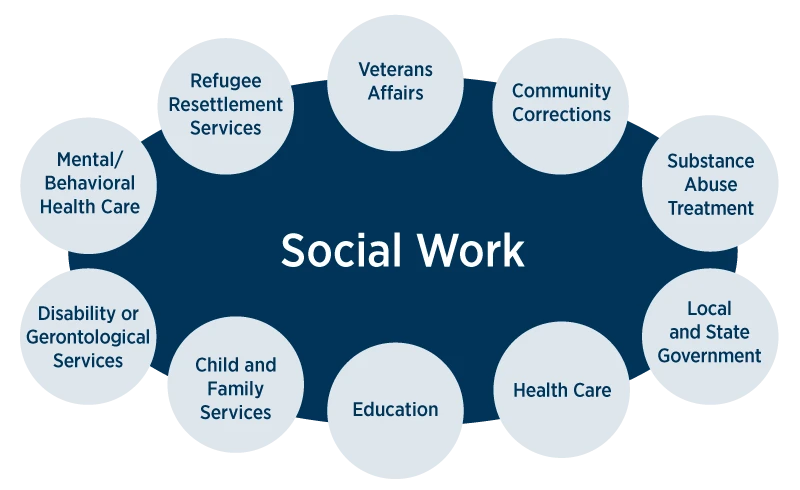
Furthermore, an introduction to social work introduces students to the diverse range of roles and settings within the field. From clinical practice to community organizing, social workers engage in a variety of activities aimed at facilitating positive change. The course provides an overview of these roles, helping students identify their areas of interest and potential career paths within the broad spectrum of social work practice.
In addition to theoretical knowledge, an introduction to social work emphasizes the acquisition of practical skills. Communication, problem-solving, and critical thinking skills are essential tools for effective social work practice. Through case studies, role-playing, and field experiences, students develop the competencies necessary for engaging with clients and communities in a meaningful and culturally sensitive manner.
Moreover, the course explores the historical development of social work as a profession. Understanding the roots of social work helps students appreciate the evolution of the field, the challenges faced by early practitioners, and the milestones achieved in the pursuit of social justice. This historical context provides a foundation for understanding the contemporary landscape of social work and the ongoing efforts to address emerging social issues.
“Introduction to Social Work” serves as a gateway to the rich and multifaceted world of social work practice. It equips students with the knowledge, values, and skills necessary to navigate the complexities of human services, fostering a commitment to social justice and the empowerment of individuals and communities. As social work continues to evolve, the introductory course sets the stage for lifelong learning and professional growth in a field dedicated to creating positive change.
Top of Form
How Is Introduction To Social Work Taught?
The field of social work plays a crucial role in addressing societal challenges and promoting individual and community well-being. As the entry point into this dynamic profession, the course “Introduction to Social Work” serves as a foundational platform for students to explore the principles, theories, and practices that underpin the field.
This essay delves into the diverse teaching approaches and strategies employed in the delivery of an effective Introduction to Social Work course, emphasizing the importance of theoretical frameworks, experiential learning, and interdisciplinary perspectives.
Theoretical Foundations
A fundamental aspect of teaching Introduction to Social Work is imparting a comprehensive understanding of the theoretical foundations that guide social work practice. Instructors often engage students with classical and contemporary theories, such as the ecological systems perspective, systems theory, and strengths-based approaches.
This theoretical grounding serves as a framework for students to analyze and comprehend the complex interplay of individual, family, and societal factors in the context of social issues. The integration of theories provides a lens through which students can critically examine and evaluate different intervention strategies, fostering a nuanced and reflective approach to social work practice.
Experiential Learning
Beyond theoretical knowledge, the course places a significant emphasis on experiential learning to bridge the gap between theory and practice. Field visits, guest lectures from practicing social workers, and case studies offer students the opportunity to witness real-world applications of social work principles.
Simulations and role-playing exercises help students develop essential skills, such as active listening, empathy, and effective communication, which are integral to building meaningful connections with clients. The incorporation of experiential learning not only enhances students’ practical skills but also instills a sense of empathy and cultural competence essential for effective social work practice.
Interdisciplinary Perspectives
Given the multifaceted nature of social issues, an Introduction to Social Work course often adopts an interdisciplinary approach to broaden students’ perspectives. Collaborations with professionals from related fields, such as psychology, sociology, and public health, expose students to diverse viewpoints and enrich their understanding of the interconnectedness of social problems. This interdisciplinary lens encourages students to recognize the broader systemic influences that shape individuals’ experiences, fostering a holistic and informed approach to social work practice.
Critical Thinking and Ethical Considerations
Promoting critical thinking is a central goal in teaching Introduction to Social Work. Students are encouraged to question assumptions, challenge biases, and engage in thoughtful analysis of social issues. Ethical considerations, a cornerstone of social work practice, are woven throughout the curriculum. Case discussions, ethical dilemma scenarios, and debates on ethical codes provide students with opportunities to develop a strong ethical foundation and navigate the complexities of ethical decision-making in social work.
Technology Integration
In the contemporary landscape, technology plays a pivotal role in social work practice. Integrating technology into the curriculum allows students to explore innovative tools and platforms that enhance service delivery, communication, and data management. Virtual field experiences, telehealth simulations, and discussions on the ethical use of technology in social work practice prepare students to navigate the evolving landscape of the profession.
The teaching of Introduction to Social Work is a dynamic and multifaceted endeavor that combines theoretical foundations, experiential learning, interdisciplinary perspectives, critical thinking, ethical considerations, and technology integration.
By incorporating these diverse approaches, educators aim to equip students with the knowledge, skills, and ethical mindset necessary for effective social work practice. As the field continues to evolve, the Introduction to Social Work course serves as a crucial stepping stone, inspiring and preparing the next generation of social workers to address the ever-changing challenges in our communities.






Sign in to leave a comment.