

Understanding individuals in society and working to improve their lives are at the core of social work. Social workers assist individuals in coping and enhancing their quality of life by listening to their needs, whether they are young children or individuals battling addiction. Studying Introduction to Social Work can provide individuals with valuable insights into the field and its various aspects. Here are some pros and cons to consider:
Pros:
· Understanding Social Issues: This course introduces students to various social issues and challenges that individuals and communities face. It helps develop empathy and a deeper understanding of societal problems.
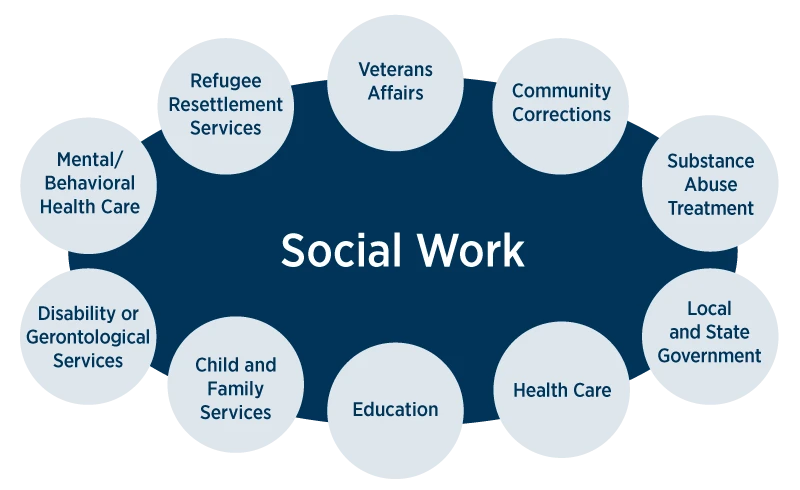
· Career Opportunities: A foundation in social work can open up diverse career opportunities in areas such as counseling, advocacy, community organizing, and healthcare.
· Skill Development: Students often acquire essential skills such as communication, empathy, problem-solving, and critical thinking, which are transferable to various professions.
· Personal Growth: Studying social work can lead to personal growth by challenging one’s assumptions, values, and biases. It encourages self-reflection and awareness.
· Making a Difference: Social work is often viewed as a noble profession that allows individuals to make a positive impact on the lives of others and contribute to social justice.
Cons:
· Emotional Challenges: Dealing with sensitive and emotionally charged situations can be emotionally taxing. Social workers may face burnout or compassion fatigue.
· Limited Resources: Social workers may have to work with limited resources, which can be frustrating when trying to address complex social issues effectively.
· Bureaucratic Challenges: The field of social work often involves navigating bureaucratic systems and policies, which can be time-consuming and challenging.
· Low Compensation: In some cases, social workers may face lower compensation compared to other professions requiring a similar level of education and expertise.
· Complexity of Issues: The issues social workers deal with are often complex and deeply rooted, making it challenging to find immediate and lasting solutions.
In conclusion, studying Introduction to Social Work can be a rewarding experience, providing valuable knowledge and skills for those interested in making a positive impact on society. However, individuals should be aware of the emotional challenges and potential limitations associated with the field.
Where And How To Study Introduction To Social Work
Studying Introduction to Social Work can be done through various educational institutions and online platforms. Here are some steps you can take:
Check Local Colleges and Universities:
Look for colleges or universities in your area that offer social work programs. Many institutions provide introductory courses as part of their curriculum.
Online Courses:
Platforms like Coursera, edX, and Udemy offer online courses on social work. You can search for introductory courses specifically or explore broader social work programs.
Community Colleges:
Community colleges often offer affordable and accessible courses. Check with local community colleges to see if they have an introductory social work course or related programs.
Open Courseware:
Some universities provide free access to course materials online. MIT OpenCourseWare, for example, may have relevant materials. While you won’t get the full college experience, you can still access valuable content.
Social Work Associations:
Check with social work associations or organizations in your country or region. They may offer training programs or provide information on where to study social work.
Libraries and Bookstores:
Books on social work can provide a solid foundation. Look for introductory textbooks or recommended readings in libraries or bookstores.
Volunteer Opportunities:
Engaging in volunteer work in social service organizations can also provide hands-on experience and insights into the field. While not a formal course, this practical experience can be valuable.
Professional Certification Programs:
Some organizations offer certifications in social work. While these may not replace a full degree program, they can provide focused training in specific areas.
Government Agencies:
Check with government agencies that focus on social services. They may offer training programs or have information on educational opportunities in social work.
When choosing a program, consider factors such as accreditation, faculty qualifications, and the curriculum’s alignment with your learning goals. Additionally, if you’re considering a career in social work, it’s often beneficial to pursue a formal degree program to gain a comprehensive understanding of the field.
What Are The Costs Of Studying Introduction To Social Work?
The costs of studying “Introduction to Social Work” can vary depending on several factors, such as the institution offering the course, the format of the course (in-person, online, or hybrid), and your residency status (whether you are an in-state or out-of-state student). Here are some potential cost factors to consider:
Tuition Fees: Different colleges and universities have varying tuition fees. Public institutions often have lower tuition for in-state residents compared to out-of-state students.
Course Materials: Textbooks, online resources, and other course materials may contribute to the overall cost. Some courses may have additional materials or software requirements.
Technology Fees: If the course is offered online, there may be technology or online platform fees associated with accessing course content and participating in discussions.
Registration and Administrative Fees: Some institutions charge additional fees for registration, exams, or administrative purposes.
Transportation and Housing (if applicable): If the course is taken in person and requires commuting or relocating, you’ll need to consider transportation costs, as well as potential housing and living expenses.
Financial Aid and Scholarships: Check if there are any scholarships, grants, or financial aid opportunities available to help offset the costs of education.
To get accurate and up-to-date information on the costs associated with taking an “Introduction to Social Work” course, it’s recommended to contact the specific educational institution offering the course. They can provide details on tuition fees, additional costs, and potential financial assistance options.
What Countries Are Best For Studying Introduction To Social Work?
The choice of a country for studying Introduction to Social Work can depend on various factors, including the quality of education, available resources, cultural diversity, and potential career opportunities. Here are a few countries known for their strong social work programs:
United States: The U.S. has numerous well-established social work programs at both undergraduate and graduate levels. Schools like Columbia University, University of Michigan, and University of California, Berkeley, are renowned for their social work programs.
United Kingdom: The UK has reputable universities offering social work courses. The University of Edinburgh, University of Bristol, and the London School of Economics and Political Science (LSE) are known for their social work programs.
Canada: Canadian universities provide high-quality education in social work. The University of Toronto, University of British Columbia, and McGill University are among the top choices for social work studies.
Australia: Australian universities offer diverse social work programs. The University of Melbourne, University of Sydney, and Monash University are known for their strong social work departments.
Sweden: Sweden is recognized for its social welfare system, and universities like Lund University and Stockholm University offer excellent social work programs.
Norway: Norway is another Nordic country with a strong social welfare system. The University of Oslo is known for its social work education.
Netherlands: Dutch universities, such as Utrecht University and VU University Amsterdam, offer social work programs in English and are known for their international approach.
When choosing a country, consider factors such as language, cost of living, and the cultural context of social work practice in that region. Additionally, check the specific programs and faculty expertise to ensure they align with your academic and career goals. It’s advisable to research individual universities and their social work departments to find the best fit for your needs.





Sign in to leave a comment.