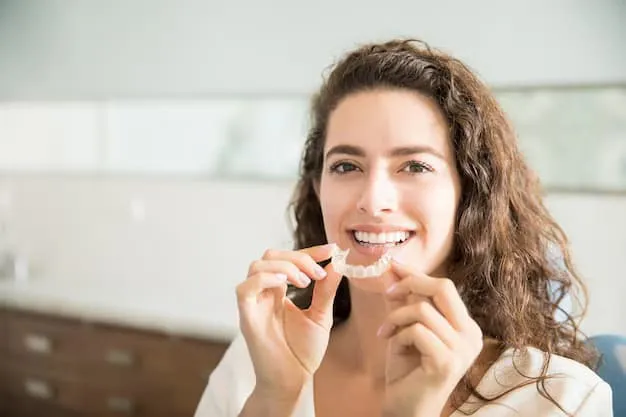

A straighter smile can contribute to improved confidence while also supporting better oral hygiene and comfortable dental function. Many adults and teenagers consider discreet orthodontic options because they want to improve the alignment of their teeth without relying on conventional visible braces. Invisalign uses a series of removable, clear aligners that are designed to gradually move teeth towards planned positions. Understanding how clear aligner treatment works, what it can address, and what patients can expect throughout the process can help individuals make informed decisions about orthodontic care.
Understanding Clear Aligner Treatment
Clear aligner treatment is a modern approach to orthodontics that uses a sequence of customised transparent trays. Each aligner is designed to apply controlled pressure to selected teeth, gradually guiding them towards their intended positions. The aligners are generally removable, allowing individuals to take them out when eating, drinking certain beverages, brushing, and cleaning between their teeth.
How Clear Aligners Work
Treatment begins with an assessment of the teeth, gums, bite, and overall oral health. Digital scans or other suitable records may be used to develop a detailed treatment plan. The aligners are then produced according to the planned tooth movements. Each set is worn for the recommended period before progressing to the next stage, allowing the teeth to move gradually.
A Discreet Orthodontic Option
One of the main reasons people consider clear aligners is their subtle appearance. The transparent material can make them less noticeable than traditional fixed braces. This can be particularly appealing to adults who want to improve their smile while continuing with professional, social, and everyday activities without drawing significant attention to their orthodontic treatment.
What Can Invisalign Treatment Address?
Clear aligners may be suitable for a range of common alignment concerns. The exact conditions that can be treated depend on the complexity of the case and the individual's dental health. A detailed orthodontic assessment is necessary to determine whether clear aligner treatment can achieve the desired result.
Crowded Teeth
Crowding occurs when there is insufficient space for teeth to sit comfortably within the dental arch. This can make some areas more difficult to clean and may affect the appearance of the smile. Carefully planned aligner treatment can create controlled tooth movements that improve alignment and create a more orderly arrangement where suitable.
Gaps Between Teeth
Spaces between teeth can occur for several reasons, including natural tooth development and differences in tooth size. Depending on the cause and extent of the spacing, clear aligners may be used to gradually bring selected teeth closer together. The treatment plan will consider the overall bite and gum health rather than focusing solely on closing visible gaps.
Bite Concerns
Certain bite irregularities can affect how the upper and lower teeth meet. Depending on the type and severity of the issue, clear aligners may be considered as part of an orthodontic treatment plan. However, complex bite problems may require alternative approaches. Professional assessment is therefore essential before deciding whether aligners are appropriate.
Benefits of Clear Aligner Treatment
Clear aligners offer several features that can make orthodontic treatment convenient for suitable individuals. Their removable design, discreet appearance, and customised treatment approach can fit comfortably into many lifestyles. However, successful treatment depends heavily on following professional instructions and wearing the aligners as recommended.
Removable Design
Unlike fixed braces, clear aligners can generally be removed when eating and drinking. This means individuals can continue enjoying a wide variety of foods without the same restrictions associated with brackets and wires. Removal also makes brushing and interdental cleaning more straightforward, which can help individuals maintain their usual oral hygiene routine during treatment.
Comfortable Everyday Wear
Clear aligners are made from smooth material designed to fit over the teeth. Some pressure or mild discomfort can occur when starting a new aligner because the teeth are being guided towards different positions. This sensation is generally associated with the movement process. Any persistent or unusual discomfort should be discussed with a dental professional.
Fewer Visible Components
The transparent appearance of clear aligners can make orthodontic treatment less visually noticeable. This can be particularly beneficial for individuals who feel self conscious about wearing traditional braces. The discreet nature of aligners allows many people to continue their daily activities while feeling more comfortable about their appearance during treatment.
The Clear Aligner Treatment Journey
Understanding each stage can help patients know what to expect before starting treatment. The journey generally begins with an assessment, followed by digital planning and the production of customised aligners. Regular reviews then allow progress to be monitored and adjustments to be made where necessary.
Initial Consultation
The first appointment usually involves examining the teeth and assessing the bite. Existing dental problems such as decay or gum disease may need to be addressed before orthodontic treatment begins. The dental professional can also discuss the individual's concerns, desired outcome, expected treatment duration, and suitability for clear aligners.
Digital Planning
Digital technology can be used to create detailed records of the teeth and develop a treatment plan. The planned tooth movements can be assessed before the aligners are produced. This approach allows the dental professional to consider how individual teeth should move and how those movements will contribute to the final alignment.
Wearing the Aligners
Patients receive a series of aligners and are instructed on how to wear and care for them. Consistent wear is important because the aligners need to apply pressure for the recommended amount of time. Removing them for meals and oral hygiene is generally part of the treatment routine, although the specific instructions provided by the dental professional should always be followed.
Maintaining Oral Hygiene During Treatment
Good oral hygiene is especially important during orthodontic treatment. Although clear aligners can be removed, wearing them over teeth that have not been properly cleaned may allow plaque and food debris to remain trapped against the tooth surface. Maintaining consistent cleaning habits can help protect the teeth and gums throughout the treatment period.
Brushing and Interdental Cleaning
Teeth should generally be brushed before the aligners are replaced after eating. Interdental cleaning can also help remove plaque from spaces between teeth. A dental professional can recommend appropriate cleaning methods based on individual needs. Regular hygiene appointments may also be useful for maintaining healthy gums during orthodontic treatment.
Cleaning the Aligners
Clear aligners should be kept clean according to the manufacturer's and dental professional's instructions. They should be handled carefully and stored safely whenever they are removed. Avoiding unsuitable cleaning methods can help protect the material and maintain its transparency. Good aligner hygiene also contributes to a fresher and more comfortable treatment experience.
Lifestyle Considerations During Treatment
Clear aligners are designed to fit into everyday life, but patients still need to develop suitable habits. Eating, drinking, cleaning, and storing the aligners require some planning. Individuals who travel frequently or have demanding work schedules may need to consider how they will maintain consistent wear and cleaning routines.
Eating and Drinking
The aligners are generally removed before eating. Water is typically the simplest choice while wearing them, while other drinks may need to be avoided or discussed with the dental professional. Food and drink particles left on the teeth before reinserting the aligners can contribute to plaque accumulation, making thorough cleaning an important part of the routine.
Keeping Track of Aligners
Because clear aligners are removable, they can occasionally be misplaced or damaged. Patients should use a suitable case whenever the aligners are not being worn. Keeping them away from pets, hot environments, and unsuitable surfaces can help reduce the risk of damage. If an aligner is lost or broken, professional advice should be sought.
Retention After Orthodontic Treatment
Completing active orthodontic treatment does not necessarily mean that the teeth will remain permanently in their new positions without further support. Teeth can naturally shift over time. Retainers are therefore commonly recommended after orthodontic treatment to help maintain the achieved alignment.
Why Retainers Matter
The tissues surrounding the teeth need time to adapt to their new positions, while natural changes can continue throughout life. Wearing retainers as instructed can help reduce unwanted movement. The type and wearing schedule can vary between individuals, so patients should follow the specific guidance provided by their dental professional.
Maintaining the New Smile
A successful orthodontic result depends on continued care. Regular dental examinations, good oral hygiene, and appropriate retainer use can all contribute to maintaining the appearance and function of the smile. Addressing new concerns early can also help prevent minor alignment changes from becoming more noticeable over time.
Choosing Clear Aligner Treatment Carefully
Clear aligners can be an effective orthodontic option for suitable cases, but they are not automatically the right choice for every individual. A professional assessment provides an opportunity to evaluate dental health, bite relationships, tooth positioning, and treatment expectations. Patients should also understand the importance of consistent aligner wear and follow up appointments.
Setting Realistic Expectations
Orthodontic treatment requires patience because teeth move gradually. The duration of treatment can vary depending on the complexity of the case and how consistently the aligners are worn. Clear communication with the dental professional can help individuals understand the expected stages and appreciate that treatment plans are tailored to individual needs.
Supporting Long Term Oral Health
Straightening teeth can contribute to easier cleaning in some cases, but orthodontic treatment does not replace everyday dental care. Regular brushing, interdental cleaning, professional examinations, and a balanced approach to oral health remain important. Combining orthodontic treatment with good dental habits can support both the appearance and long term health of the smile.
Final Thoughts
Clear aligner treatment can provide a discreet and flexible approach to improving tooth alignment for suitable patients. Its removable design, transparent appearance, and personalised treatment planning make it an appealing option for individuals seeking a straighter smile without conventional fixed braces. Good oral hygiene, consistent aligner wear, regular reviews, and appropriate retention are important throughout the process. Individuals considering Invisalign can discuss their orthodontic needs and treatment options with Munro Hall Dental Clinic Weybridge to determine whether clear aligner treatment is suitable for their smile goals.



























Sign in to leave a comment.