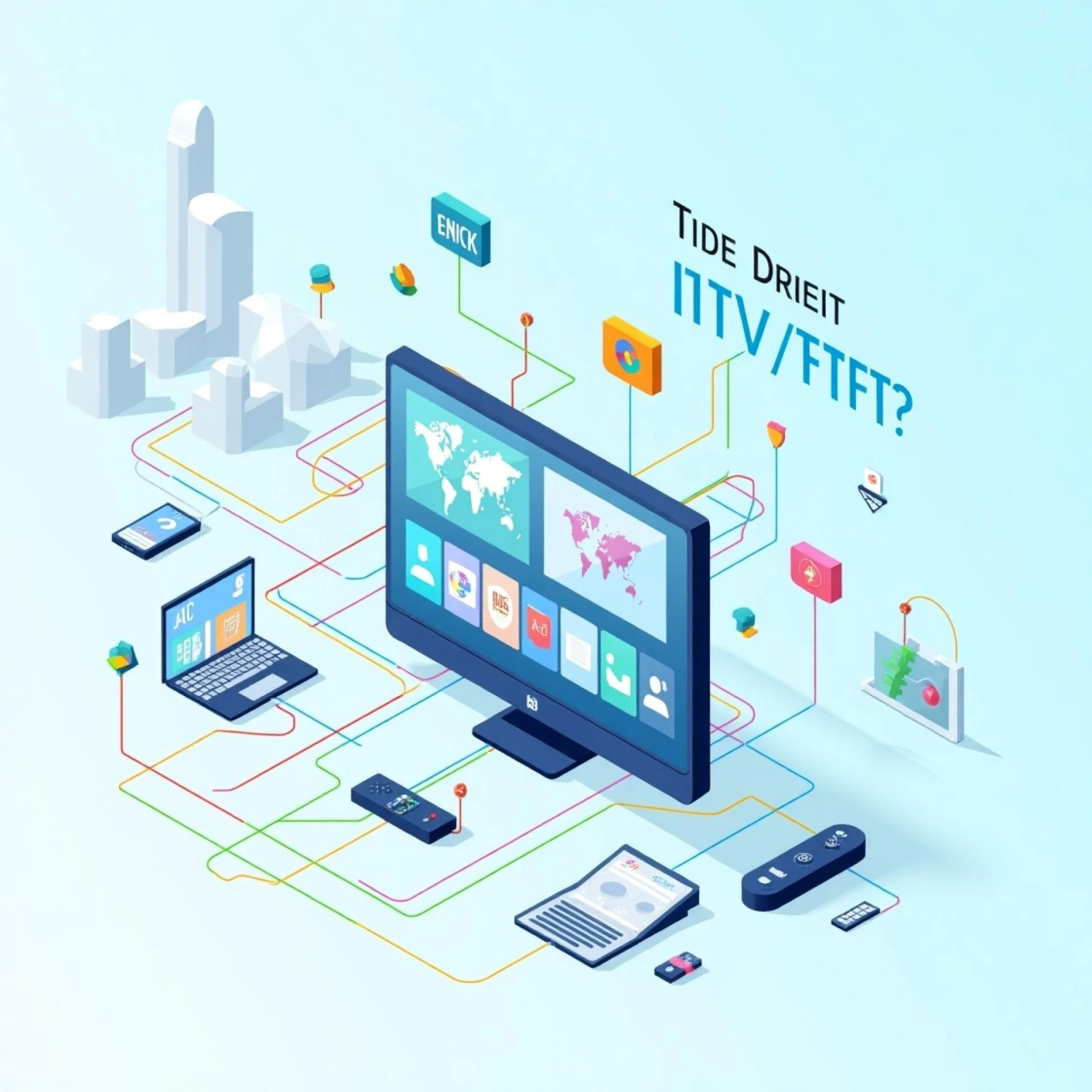

With the increasing demand for streaming services, the role of IPTV platforms has become more significant than ever. IPTV (Internet Protocol Television) platforms provide a cutting-edge way to deliver television content over the internet instead of traditional cable or satellite TV. Whether you’re a business looking to launch your own IPTV service or a viewer seeking the best platform for entertainment, this comprehensive guide will provide valuable insights.
What is an IPTV Platform?
An IPTV platform is a digital system that allows the broadcasting, management, and delivery of TV channels and video content through internet protocols. Unlike conventional broadcasting methods, IPTV platforms operate using IP networks, ensuring seamless content distribution across multiple devices, such as smart TVs, smartphones, tablets, and computers.
How Does an IPTV Platform Work?
IPTV platforms work by converting TV signals and multimedia content into data packets, which are then streamed over an internet connection. These platforms typically have the following key components:
- Content Source – IPTV platforms receive content from broadcasters, production studios, or live feeds.
- Middleware – Acts as the control panel, managing content, user accounts, and service operations.
- Streaming Server – Transmits the video streams to end-users.
- End-User Device – The device (smartphone, TV, tablet, etc.) where users access the content via an IPTV app or web player.
Types of IPTV Platforms
IPTV platforms can be classified into different types based on their purpose and functionality. Below are the most common types:
1. Live IPTV Streaming Platforms
These platforms specialize in broadcasting live TV channels and events in real-time. They are ideal for sports channels, news networks, and live event streaming services.
2. Video-On-Demand (VOD) Platforms
VOD-based IPTV platforms offer users a library of pre-recorded content, allowing them to watch their favorite movies, TV shows, and series anytime.
3. Hybrid IPTV Platforms
Hybrid IPTV platforms combine both live streaming and on-demand content, giving users a more flexible viewing experience.
4. Cloud-Based IPTV Platforms
Cloud-based IPTV solutions provide hosting, storage, and streaming services via cloud infrastructure, eliminating the need for on-premise hardware.
Key Features of a Reliable IPTV Platform
When choosing an IPTV platform, several features can determine its efficiency and user-friendliness. Here are the essential ones:
1. Multi-Device Compatibility
A top-tier IPTV platform should support multiple devices, including Android, iOS, Smart TVs, and web browsers.
2. High-Quality Streaming
The platform should offer HD, Full HD, and 4K streaming options to enhance the viewer experience.
3. Content Management System (CMS)
A robust IPTV platform should have a CMS to manage, organize, and distribute content efficiently.
4. Monetization Options
For businesses, IPTV platforms should support multiple monetization models like subscription-based (SVOD), pay-per-view (PPV), and ad-supported (AVOD) revenue generation.
5. Security and Encryption
Security measures like DRM (Digital Rights Management), watermarking, and geo-blocking ensure content protection from piracy.
6. Customization and Branding
A good IPTV platform should allow businesses to customize the user interface (UI) and branding elements to match their brand identity.
7. Reliable Content Delivery Network (CDN)
A robust CDN ensures fast and buffer-free streaming, even during peak traffic hours.
Benefits of Using an IPTV Platform
1. Scalability
IPTV platforms can easily scale to accommodate more users and expand the service reach globally.
2. Cost-Effective
Compared to traditional TV broadcasting, IPTV platforms require lower operational and infrastructure costs.
3. Interactive User Experience
Users can enjoy pause, rewind, and fast-forward options, along with interactive TV features like multi-screen viewing.
4. Global Reach
Since IPTV operates over the internet, content can be accessed anytime, anywhere, without geographical limitations.
How to Choose the Best IPTV Platform
When selecting an IPTV platform, consider these key factors:
- User Interface & Experience – The platform should have an intuitive and user-friendly interface.
- Streaming Quality – Look for platforms that support adaptive bitrate streaming to optimize video quality based on internet speed.
- Technical Support – Ensure the provider offers 24/7 customer support.
- Pricing & Licensing – Compare pricing plans and check for any hidden fees.
- Trial Period – Opt for IPTV platforms that offer free trials before committing to a subscription.
Popular IPTV Platforms in the Market
Some of the most well-known IPTV platforms include:
1. Netflix
While primarily a VOD platform, Netflix uses IPTV technology for content delivery, providing a seamless experience for users.
2. Hulu + Live TV
A hybrid IPTV platform offering both live TV channels and on-demand content.
3. YouTube TV
A subscription-based IPTV service that provides live streaming of multiple TV channels.
4. Amazon Prime Video
Amazon Prime utilizes IPTV technology to deliver high-quality streaming and exclusive content.
5. IPTV Smarters Pro
A popular IPTV player that supports various IPTV services and subscriptions.
Setting Up Your Own IPTV Platform
If you’re looking to start your own IPTV business, follow these essential steps:
Step 1: Define Your Niche
Decide whether you want to offer live TV streaming, VOD services, or a hybrid solution.
Step 2: Choose an IPTV Middleware
Select an IPTV middleware solution that allows you to manage subscribers, content, and monetization.
Step 3: Secure Content Licensing
Ensure you obtain the necessary broadcasting rights and licenses to avoid legal issues.
Step 4: Invest in a CDN
A reliable CDN ensures smooth streaming and reduces buffering issues.
Step 5: Develop a User-Friendly App
Create an IPTV application for various platforms like Android, iOS, Roku, and Smart TVs.
Step 6: Implement Monetization Strategies
Choose from subscription models, pay-per-view, or ad-based revenue models.
Step 7: Marketing and Promotion
Promote your IPTV platform using SEO, social media marketing, and paid advertisements.
Challenges in IPTV Platforms
While IPTV platforms offer many advantages, they also come with challenges:
- Internet Dependency – Requires a stable internet connection for optimal performance.
- Piracy Issues – Unauthorized streaming and illegal IPTV providers can be problematic.
- Technical Maintenance – Requires continuous server maintenance and software updates.
Future of IPTV Platforms
The future of IPTV platforms looks promising with advancements in 5G, AI-powered recommendations, and virtual reality (VR) streaming. More businesses and individuals are shifting towards IPTV, making it one of the fastest-growing industries in entertainment.
Conclusion
IPTV platforms have transformed the way we consume television content, offering flexibility, affordability, and superior quality. Whether you’re a viewer looking for the best IPTV service or a business planning to launch an IPTV platform, understanding the key features, benefits, and challenges is crucial. With the right IPTV platform, you can unlock an unparalleled entertainment experience and tap into a booming industry.































Sign in to leave a comment.