

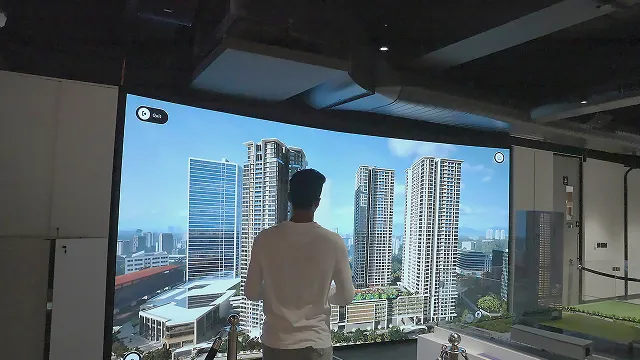
There's an assumption baked into most real estate marketing: that you need something physical before you can truly sell it. A finished sample flat. A completed facade. Visible construction progress. It feels intuitive — but it's also the single biggest constraint holding back early-stage sales velocity across the industry.
Digital twin technology real estate platforms exist to challenge that assumption directly. You don't need a buyer to see your project with their own eyes to sell it convincingly. You need them to experience it — and those are two very different things.
Why "Nothing to See Yet" Is a Solvable Problem, Not a Fact
Every unbuilt project has some version of this challenge. Sometimes it's a bare plot with no visual reference point at all. Sometimes it's worse — a site with a legacy image that actively works against the sales pitch. Adani Realty faced exactly this at their Thane development, where the land had previously housed an ACC Cement factory. That's not a neutral starting point. It's a mental image buyers had to actively unlearn before they could picture a premium residential tower in its place.
In situations like this, static renders and brochures don't just underperform — they actively struggle to overcome the wrong image already in a buyer's head.
Multiple Angles, Not One Fixed Impression
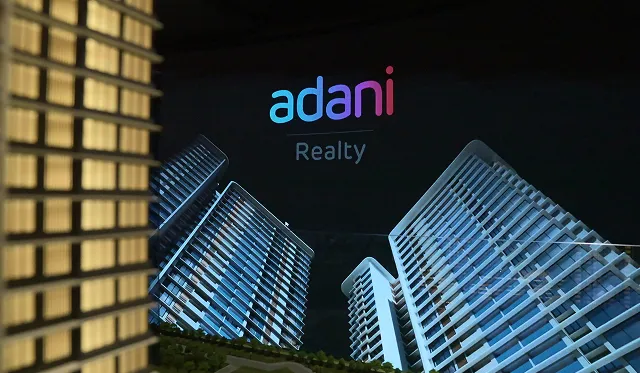
Traditional marketing tools — a single hero render, a short flythrough video — give buyers exactly one perspective, chosen by someone else. If that one angle doesn't resonate, or doesn't answer their specific question, there's no way to explore further.
Interactive 3D visualisation removes that limitation entirely. Buyers can view a project from multiple angles on their own terms, rather than being shown a single, predetermined perspective. This matters more than it sounds: it hands the buyer's exploration back to the buyer, instead of asking them to trust someone else's chosen frame.
Selling Through Construction, Not Around It
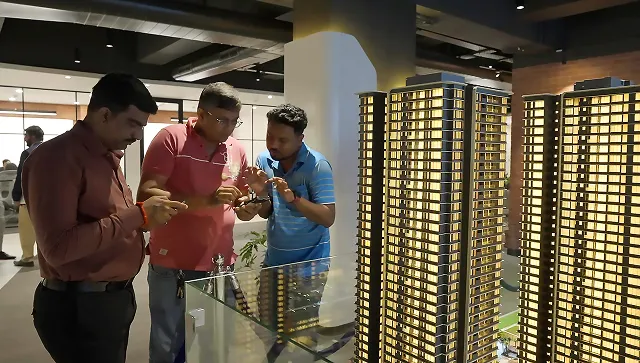
One of the clearest advantages of interactive 3D tools is also the simplest: developers can continue selling units while a project is still under construction, without construction delays translating into sales delays. Designers and developers can iterate the vision virtually, and buyers see an accurate, current version of what's planned — not a static image frozen at the concept stage months earlier.
This decouples sales momentum from construction progress, which is exactly the relationship most developers wish they could break.
Handing Buyers the Journey, Not Just the Destination
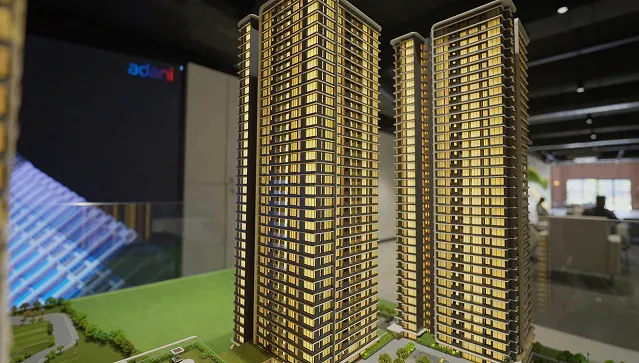
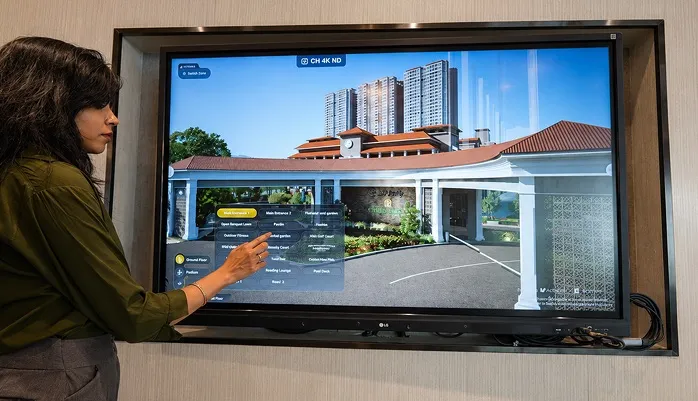
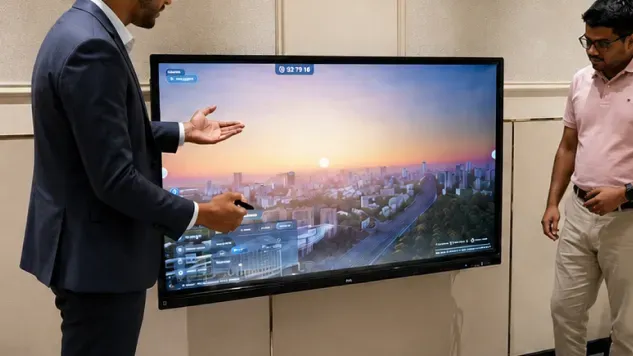
There's a subtler shift here too. A video tour shows buyers only what's in the video — a fixed, linear path chosen in advance. An interactive walkthrough gives buyers control of the journey itself: where to look, what to revisit, which question to chase down next.
That sense of control changes how buyers process what they're seeing. They're not being pitched to. They're investigating — and people trust conclusions they reach themselves far more than ones handed to them.
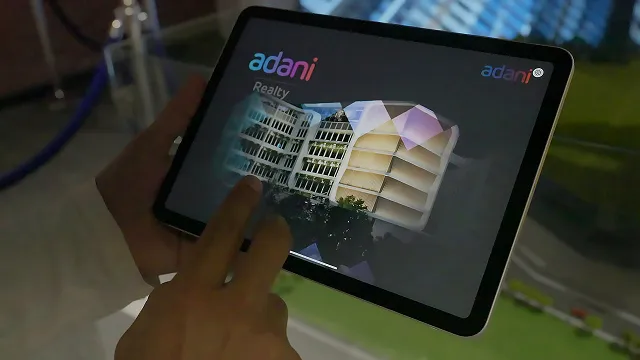
From Unusable Land to a Sales Tool: What Changed at Codename LIT
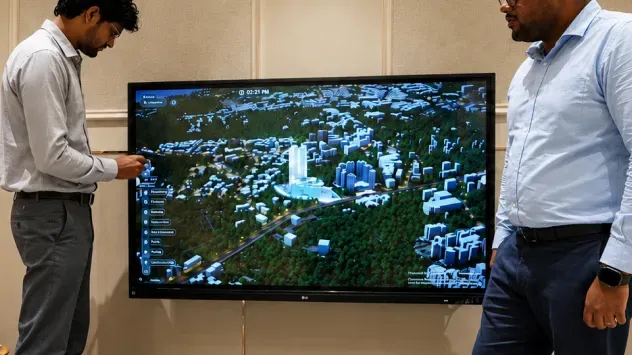
Working with V-Estate's digital twin technology, the Adani Realty team rebuilt the entire site — including surrounding infrastructure like metro lines, flyovers, and bridges — inside a real-time environment, giving buyers full context for a location that previously offered none. The Adani Realty Codename LIT case study shows how a genuinely difficult site history stopped being a liability once buyers could explore the finished vision directly, rather than being asked to imagine it on top of what used to be there.
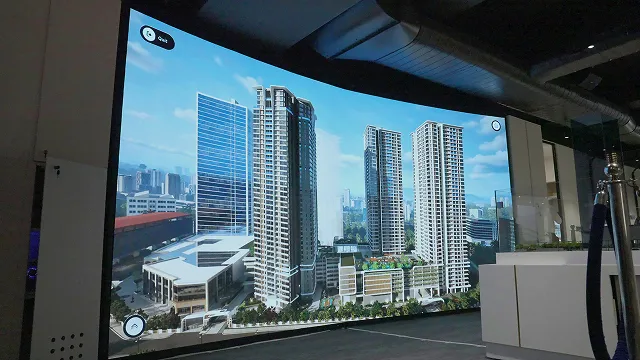
What This Means for Anything That Isn't Visibly "Sellable" Yet
The same logic extends well beyond legacy sites:
- Empty land becomes explorable the moment architectural data exists, regardless of construction status
- Complex masterplans become understandable through guided navigation instead of a single static diagram
- Redevelopment projects can be sold on their future identity, not their present appearance
- Multi-phase developments can showcase later phases convincingly, well before ground has broken on them
You can explore V-Estate's broader approach to this in 3D solutions that improve the buyer's experience, which covers exactly this shift from static imagination to interactive certainty.
If They Can't See It Yet, Let Them Experience It
The absence of a finished building isn't a sales barrier — it's a solvable visualisation problem. V-Estate helps developers sell what's genuinely coming, with enough clarity and control that buyers stop needing to imagine and start deciding. Talk to V-Estate about turning your hardest-to-picture project into your most convincing sales experience.




















Sign in to leave a comment.