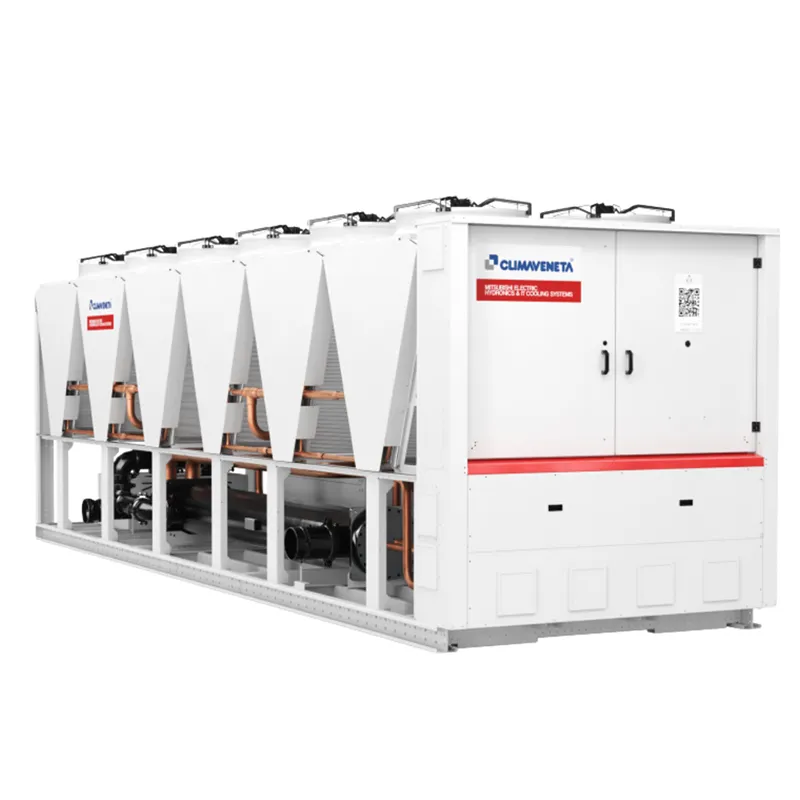

Selecting the right commercial air conditioning system is one of the most critical decisions for property developers and facility managers. With energy costs rising and building tenants demanding precise climate control, traditional fixed-speed HVAC systems often fall short.
Variable Refrigerant Flow (VRF) systems have emerged as the leading solution for modern office complexes, healthcare facilities, and retail spaces across urban hubs like Delhi NCR.
1. How VRF Technology Works
Unlike conventional central systems that run at full capacity regardless of cooling demand, VRF setups utilize inverter-driven variable-speed compressors.
The system continuously measures the cooling load across individual rooms or zones and adjusts the refrigerant flow accordingly. If only two rooms in a ten-story office building need cooling, the VRF outdoor unit scales down its power consumption to match that specific requirement.
2. Key Advantages of VRF Systems for Businesses
- Significant Energy Savings: Operating efficiently at partial loads drastically lowers monthly utility bills compared to traditional fixed-capacity units.
- Independent Zone Control: Occupants in different office suites can customize their temperature settings without affecting neighboring rooms.
- Architectural Flexibility: VRF setups support a wide variety of indoor units—including cassette units, concealed ceiling ducted models, and high-wall units—blending seamlessly into modern interior designs.
- Quiet Operation: Variable-speed compressors and engineered indoor units deliver whisper-quiet airflow, minimizing workplace noise distractions.
3. Professional Installation Is Crucial
Because VRF networks involve complex refrigerant piping and electronic controls, system longevity and efficiency depend heavily on expert installation. Proper heat load calculations, pipe sizing, and leak-free joint braving prevent system pressure drops and compressor strain.
Partnering with an experienced turnkey HVAC engineering firm like Pujnik ensures your building receives a tailored VRF system design, professional installation, and ongoing maintenance to guarantee peak operational efficiency.
Upgrading to VRF technology protects commercial real estate investments by reducing carbon footprints, lowering operating overheads, and creating comfortable workspace environments year-round.























Sign in to leave a comment.