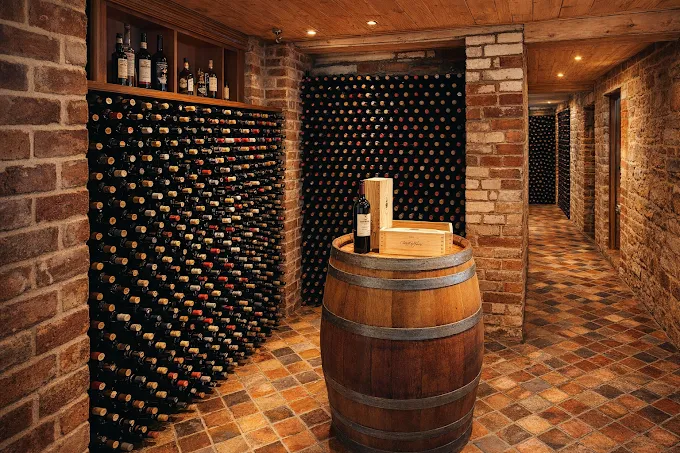

Wine storage is not simply about finding a place to keep bottles. In Australian homes, restaurants, entertaining areas and dedicated cellars, good storage needs to balance organization, temperature, accessibility, appearance and long-term bottle protection. A well-planned storage area can also make better use of available space while fitting naturally into the overall interior.
This is where Custom Wine Racks can provide a practical design approach. Instead of selecting a standard rack and trying to make it fit an existing room, a custom design can be planned around the available space, bottle collection, room conditions and preferred storage method.
From timber wine racks and built-in units to wall-mounted wine racks and custom wine cabinets, there are many possibilities. However, smart wine storage is about more than appearance. The design needs to consider how wine bottles are stored, how often they are accessed and what environmental conditions exist in the space.
Why Does Wine Rack Design Matter?
Wine bottles can vary in size, shape and weight. Standard wine bottles may fit conventional rack openings, but larger bottles such as Champagne, sparkling wine or certain Burgundy-style bottles can require additional space.
A good wine rack design starts by considering the collection rather than simply the furniture. The rack should provide enough room for current bottles while allowing some flexibility for future additions.
Poorly planned storage can create several problems. Bottles may be difficult to reach, shelves may become overcrowded, or the available wall and floor space may not be used efficiently.
Smart design also considers the height of each storage section. Frequently accessed bottles may be positioned at a convenient level, while less frequently used bottles can be stored higher or lower.
What Should Be Considered Before Designing Custom Wine Storage?
Several practical questions should be answered before selecting materials or deciding on the appearance of the rack.
First, how many bottles need to be stored? A small collection may only require a compact wall-mounted solution, while a larger collection may need a dedicated cellar or a combination of storage units.
Second, where will the storage be located? A kitchen, dining room, pantry, under-stair area and dedicated cellar all have different environmental conditions.
Third, how much space is available? Accurate measurements are particularly important when planning custom wine storage because even a small difference in dimensions can affect how efficiently the rack fits into the room.
The design should also consider access. If bottles are difficult to remove, the storage area may become inconvenient to use. A practical layout should allow enough clearance for hands and bottles without forcing users to disturb neighboring bottles.
Temperature and Humidity Considerations in Australia
Australia has a wide range of climates, from cooler southern regions to hot and dry inland areas and humid coastal locations. These conditions can affect wine storage, particularly when bottles are kept for extended periods.
Wine generally benefits from stable environmental conditions rather than repeated temperature fluctuations. A storage area exposed to strong heat, direct sunlight or major temperature changes may not be suitable for long-term wine storage.
For this reason, location is an important part of Custom Wine Racks planning. A beautifully designed rack cannot compensate for an unsuitable storage environment.
Dedicated wine cellars may require additional environmental controls, depending on their design and intended use. If wine is being stored as a long-term collection, temperature management should be considered alongside the physical rack.
Humidity can also matter. Extremely dry conditions may affect natural corks over time, while excessive moisture can create problems for labels, cabinetry and surrounding materials.
Choosing the Right Materials
Material selection affects the appearance, strength and longevity of a wine rack.
Timber remains a popular choice for wine storage because it can complement a range of Australian interior styles. Timber wine racks can be designed in different configurations and finishes, making them suitable for traditional and contemporary spaces.
However, timber is not the only option. Metal, engineered materials and combinations of timber and metal can also be used depending on the intended design.
The material should be selected according to the location and expected conditions. For example, a wine rack in a humid environment may require more careful consideration of finishes and moisture exposure.
The construction also needs to support the weight of the bottles. As a collection grows, the combined weight can become significant, particularly with larger floor-to-ceiling installations.
Built-In Wine Racks for Efficient Use of Space
One advantage of built-in wine racks is their ability to make use of spaces that might otherwise remain underutilized.
Under-stair areas, kitchen cabinetry, dining-room walls and unused corners can sometimes be adapted for wine storage. A built-in design can follow the dimensions of the room rather than leaving awkward gaps around a standard unit.
This approach can be especially useful in smaller Australian homes where floor space is limited.
However, built-in storage should not be designed solely around maximum capacity. Ventilation, access, maintenance and future changes to the room should also be considered.
A built-in rack should remain practical to use. If every available space is filled with bottles, accessing the rear or lower sections can become difficult.
Are Wall-Mounted Wine Racks Suitable for Australian Homes?
Wall-mounted wine racks can be useful where floor space is limited. They can turn an otherwise unused wall into functional storage while keeping bottles organized and visible.
However, wall-mounted storage needs secure fixing. The wall structure, mounting hardware and weight of the bottles all need to be considered during planning.
The location also matters. A wall exposed to direct afternoon sunlight may not be appropriate for storing wine, even if the rack itself is well constructed.
Wall-mounted designs can work particularly well for smaller collections or bottles intended for relatively regular use. They can also be incorporated into dining areas or entertaining spaces when the environmental conditions are suitable.
Custom Wine Cabinets and Enclosed Storage
Some homeowners prefer enclosed storage rather than open shelving. Custom wine cabinets can provide a more discreet solution and may help protect bottles from light and dust.
Cabinet design can include different shelf heights, drawers for accessories and separate compartments for various bottle shapes. The external appearance can also be coordinated with surrounding cabinetry.
However, enclosed cabinetry does not automatically create ideal wine storage conditions. If the cabinet is located in a hot room, enclosing the bottles will not necessarily solve the temperature problem.
For collections that require controlled conditions, the cabinet or cellar environment needs to be designed accordingly.
Planning Wine Cellar Design
A dedicated cellar provides greater opportunity to control the storage environment, but it also requires more detailed planning.
A successful wine cellar design should consider insulation, temperature control, humidity, lighting, shelving, access and the room's overall construction.
Lighting deserves particular attention. Strong or continuous exposure to light can be undesirable for wine storage, so lighting should be planned carefully. Low-intensity or controlled lighting can make bottles easier to identify without unnecessarily exposing the collection to bright light.
The layout should also leave enough space for movement. A cellar packed from wall to wall may hold many bottles but can become difficult to navigate.
How Should Bottle Capacity Be Calculated?
Capacity should be based on more than the number of bottles currently owned.
For example, someone with 100 bottles today may want storage for 150 or 200 bottles in the future. Designing the rack around current needs alone can result in another storage project later.
Bottle dimensions should also be considered. A rack designed around standard 750 ml bottles may not accommodate larger formats efficiently.
A smart approach is to divide the collection into categories and identify the types of bottles that need special spaces. This makes the final Custom Wine Racks layout more adaptable.
Wine Rack Installation and Structural Safety
The physical installation is another important part of the design process.
A full wine rack can be considerably heavier than it appears. The weight includes not only the rack itself but also every bottle stored within it.
For wine rack installation, the supporting wall, flooring and fixing points need to be suitable for the intended load. This becomes particularly important for large built-in structures and wall-mounted systems.
Floor-to-ceiling installations may also need additional structural planning. In some situations, professional building or cabinetry advice may be appropriate, particularly where walls are being modified.
Installation should also leave sufficient clearance around doors, walkways and other furniture.
Combining Storage With Interior Design
Wine storage can be functional without looking out of place.
In modern Australian interiors, storage may be integrated into kitchens, dining areas, living spaces or entertainment rooms. The design can follow existing materials, finishes and proportions.
For example, timber can create a warmer appearance, while simple metal structures may suit a more contemporary interior.
The goal should be balance. Custom Wine Racks do not need to dominate a room to be useful. A well-proportioned design can become part of the interior without making the space feel crowded.
What Are Practical Home Wine Storage Solutions?
Not every collection requires a dedicated cellar. There are several home wine storage solutions that can work depending on the size of the collection and the conditions available.
A small collection may suit a compact cabinet or wall-mounted rack. A medium-sized collection might benefit from built-in shelving, while a larger collection may require a dedicated room with controlled environmental conditions.
The important point is to match the storage method to the wine collection and the home.
For people who regularly purchase wine, planning for expansion is particularly useful. A storage system with some spare capacity can prevent bottles from being placed randomly around the house.
Is Luxury Wine Storage About Appearance Alone?
The term luxury wine storage often brings to mind large cellars, decorative timber and elaborate lighting. However, luxury should not be measured only by appearance.
High-quality storage should also be practical, stable and appropriate for the wine being stored.
A simple, well-designed rack in a suitable environment may protect and organise wine more effectively than an expensive-looking installation in an unsuitable location.
For this reason, the smartest designs put function first and aesthetics second. Materials, capacity, environmental conditions and accessibility should all be addressed before decorative details.
Making Custom Wine Storage Future-Ready
A wine collection can change over time. Tastes may change, bottle sizes may vary and the number of bottles may increase.
A flexible design can accommodate these changes more easily. Adjustable shelving, varied bottle compartments and additional storage capacity can all contribute to a more adaptable system.
When planning Custom Wine Racks, it is worth considering not just where the collection is today but where it may be several years from now.
Future-proofing does not necessarily mean building the largest possible rack. It means creating a system that can continue to work as storage requirements change.
Final Thoughts
Smart wine storage in Australia requires more than attractive shelving. Temperature stability, humidity, bottle dimensions, available space, structural support, accessibility and materials all influence the final result.
Whether the preferred option is timber wine racks, built-in wine racks, wall-mounted wine racks or custom wine cabinets, the design should be based on the actual collection and the environment where it will be stored.
Custom Wine Racks can be particularly useful when standard storage does not suit the dimensions or requirements of a home. However, the most effective approach is always to begin with practical needs rather than appearance.
Good custom wine rack installation should also account for structural safety and long-term usability. With careful planning, wine storage can remain organized, accessible and visually consistent with the surrounding space.
Ultimately, smart wine storage is about creating the right relationship between the bottles, the room and the people using it. In Australian homes, where climate and housing styles can vary significantly, thoughtful design can make wine storage more practical without making it unnecessarily complicated.
Frequently Asked Questions
1. What are Custom Wine Racks?
Custom Wine Racks are storage systems designed around a specific room, bottle collection and available space. They can include built-in, wall-mounted, timber or cabinet-style designs.
2. What material is best for wine racks?
Timber is a popular option because it is strong and adaptable to different interior styles. Metal and mixed-material designs can also work depending on the location and required appearance.
3. Are wall-mounted wine racks safe?
They can be safe when correctly designed and securely fixed to a suitable supporting structure. The wall, fixing method and total bottle weight should all be considered before installation.
4. Do wine racks need temperature control?
Not every collection needs a dedicated temperature-controlled cellar. However, wine intended for long-term storage generally benefits from stable conditions away from heat, sunlight and significant temperature fluctuations.
5. How should I plan a wine rack for future growth?
Allow some additional capacity and consider different bottle sizes when planning the design. Adjustable shelving or varied compartments can make the storage system more flexible as the collection grows.


























Sign in to leave a comment.