

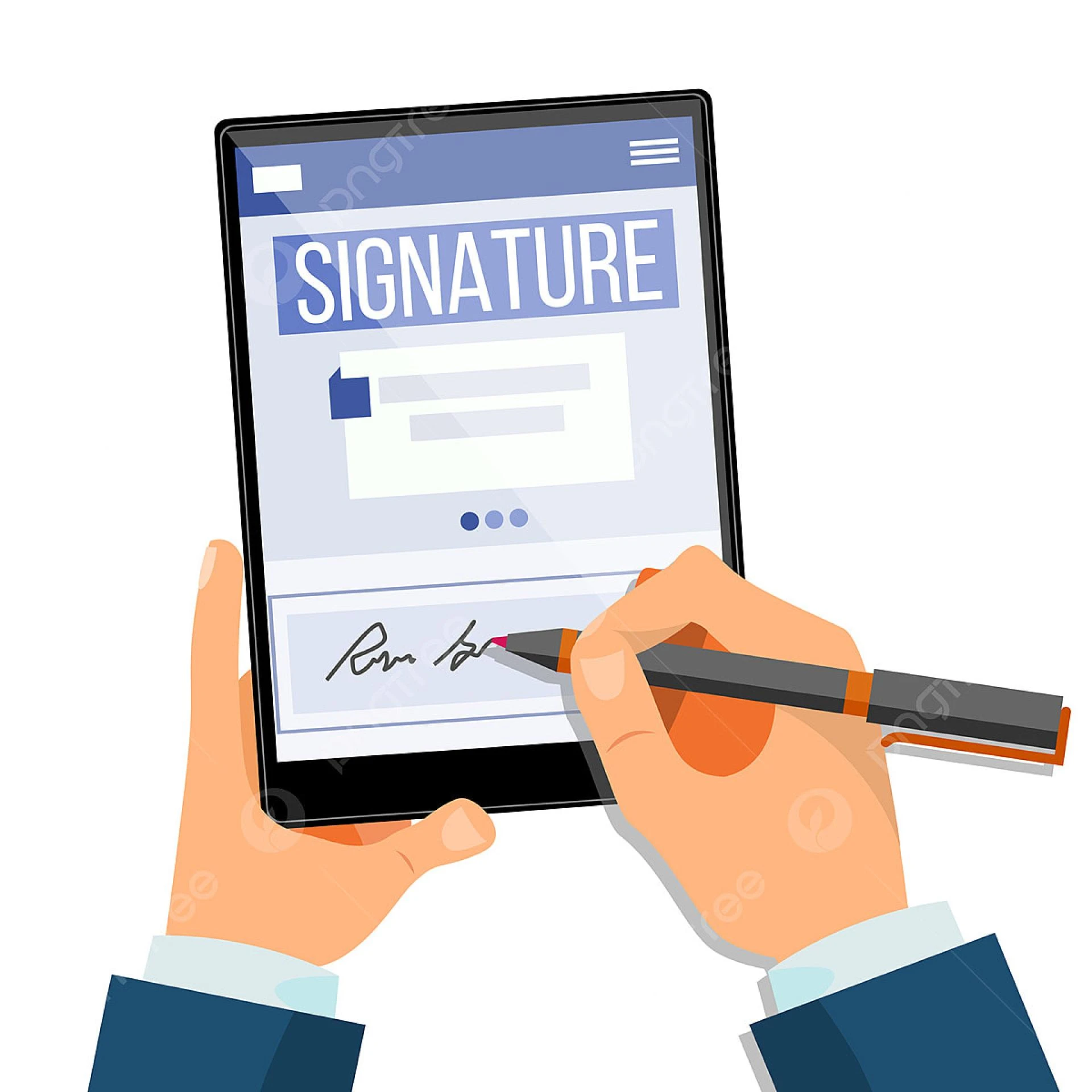
Many users still ask—Is Aadhaar eSign legally valid? Is it safe for sensitive documents? The answer is a clear YES. Aadhaar eSign is one of India’s most secure and legally recognized digital signing methods.
This blog explains the legal status, security framework, and trust behind Aadhaar eSign.
Legal Validity of Aadhaar eSign
Aadhaar eSign is valid under:
- Information Technology Act, 2000
- UIDAI regulations
- Digital Signature Rules in India
It holds the same legal value as a handwritten signature for most business and financial documents.
How Secure is Aadhaar eSign?
- OTP-based Aadhaar authentication
- One-time Digital Signature Certificate
- Encrypted transaction flow
- Tamper-proof PDF signature
- Time-stamped verification
What Documents Can Be Signed?
- Loan agreements
- KYC forms
- Employment contracts
- Insurance applications
- Business agreements
- Government forms
What Documents Are Usually Restricted?
As per legal norms, Aadhaar eSign is generally not used for:
- Wills
- Power of Attorney
- Property ownership transfer deeds
Why Meon is a Trusted Aadhaar eSign Platform
Meon ensures:
- UIDAI-compliant workflows
- Secure key management
- ISO-grade data handling
- Real-time verification
- Full audit logs
Who Should Use Aadhaar eSign?
- Banks & financial institutions
- Real estate companies
- HR departments
- Startups & enterprises
- Government service portals
Final Verdict
Aadhaar eSign is legally valid, highly secure, and widely accepted across India. When implemented through a trusted provider like Meon, it becomes one of the safest ways to sign documents digitally.
If your business handles sensitive documents, Aadhaar eSign with Meon is the smartest and safest upgrade.



























Sign in to leave a comment.