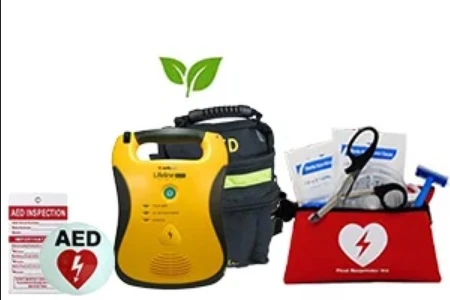

Automated External Defibrillators (AEDs) have become an invaluable asset in the fight against sudden cardiac arrest, with their widespread deployment in public spaces, workplaces, and homes. As the demand for these life-saving devices continues to grow, the question of whether purchasing a used AED is a wise decision has become increasingly relevant.
In this comprehensive guide, we\'ll explore the pros and cons of buying a used AED, providing you with the information necessary to make an informed decision that best suits your needs and budget.
The Allure of Used AEDs
The primary appeal of purchasing a used AED is the potential cost savings. AEDs can be a significant investment, especially for individuals, small businesses, or organizations with limited budgets. Buying a used AED can offer a more affordable alternative, allowing you to acquire this critical piece of medical equipment without the hefty price tag associated with a brand-new unit.
Additionally, some individuals or organizations may be hesitant to invest in a brand-new AED, fearing that technological advancements could render the device obsolete in the near future. Opting for a used AED can provide a more cost-effective solution, potentially allowing you to upgrade to a newer model down the line as your needs and budget evolve.
Potential Risks of Used AEDs
While the cost savings of a used AED can be tempting, it\'s essential to carefully consider the potential risks and drawbacks before making a purchase.
Uncertain Maintenance and Condition
One of the primary concerns with buying a used AED is the uncertainty surrounding its maintenance history and overall condition. AEDs are complex medical devices that require regular inspections, battery replacements, and other routine maintenance to ensure they remain in proper working order. If the previous owner did not maintain the AED according to the manufacturer\'s recommendations, it may not be reliable or ready for use in an emergency.
Potential Compatibility Issues
AEDs are designed to work with specific types of electrode pads, batteries, and other accessories. When purchasing a used AED, there is a risk that the device may not be compatible with the replacement parts you have on hand or those that are readily available. This can lead to compatibility issues and the need for additional investments to ensure the AED is fully functional.
Reduced Warranty Coverage
Brand-new AEDs typically come with a manufacturer\'s warranty, providing a level of protection and peace of mind in the event of any issues or malfunctions. When buying a used AED, you may not have access to the same warranty coverage, leaving you responsible for any repair or replacement costs that may arise.
Potential for Damage or Wear and Tear
Used AEDs may have experienced wear and tear or even sustained damage over time, which could impact their performance and reliability. Without a thorough inspection, you may not be aware of any underlying issues or problems that could compromise the AED\'s functionality.
Uncertainty Regarding Software Updates
AED technology is constantly evolving, and manufacturers often release software updates to improve functionality, enhance safety features, and address any known issues. When purchasing a used AED, you may not have access to these updates, potentially leaving your device with outdated software that could affect its performance.
Factors to Consider When Purchasing a Used AED
If you have decided to explore the option of buying a used AED, there are several factors you should consider to mitigate the risks and ensure you make an informed decision.
Verified Maintenance and Service History
Obtain a detailed maintenance and service history for the used AED. This information should include documentation of any repairs, battery replacements, and routine inspections performed by the previous owner. Ensure the AED has been well-maintained and is in good working condition.
Compatibility with Replacement Parts
Confirm that the used AED is compatible with the replacement pads, batteries, and other accessories you have on hand or can easily acquire. This will help prevent any compatibility issues that could arise during an emergency situation.
Remaining Warranty Coverage
Inquire about the remaining warranty coverage on the used AED and determine if it can be transferred to you as the new owner. This will provide some level of protection and may help offset any potential repair costs.
Thorough Inspection and Testing
Before finalizing the purchase, arrange for a comprehensive inspection and testing of the used AED. This should include checking the device\'s functionality, assessing the condition of the internal components, and ensuring the AED is ready for immediate use.
Certification and Regulatory Compliance
Verify that the used AED has been properly certified and complies with all relevant regulatory standards in your jurisdiction. This will help ensure the device is safe and suitable for use in emergency situations.
Weighing the Pros and Cons
When deciding whether to purchase a used AED, it\'s essential to carefully weigh the potential benefits against the risks and drawbacks.
Pros of Buying a Used AED
- Cost savings compared to a brand-new AED
- Opportunity to acquire a functional AED without a significant upfront investment
- Potential to upgrade to a newer model in the future as your needs and budget evolve
Cons of Buying a Used AED
- Uncertain maintenance and condition history, which may impact reliability
- Compatibility issues with replacement parts and accessories
- Reduced or no warranty coverage, leaving you responsible for any repair or replacement costs
- Potential for damage or wear and tear that could compromise the AED\'s performance
- Uncertainty regarding software updates and the device\'s compatibility with the latest technology
Conclusion
Purchasing a used AED can be a cost-effective solution, but it requires a careful and thorough assessment of the risks involved. By considering factors such as the device\'s maintenance history, compatibility, warranty coverage, and overall condition, you can make an informed decision that balances your budget and the need for a reliable, life-saving device.
Ultimately, the decision to buy a used AED should be based on your specific needs, the level of risk you\'re willing to accept, and your ability to mitigate any potential issues that may arise. By weighing the pros and cons carefully, you can determine whether a used AED is the right choice for your organization or community.
Remember, the safety and well-being of those who may rely on your AED in an emergency situation should be the top priority. Investing in a high-quality, well-maintained AED, whether new or used, can make all the difference in saving a life.





























Sign in to leave a comment.