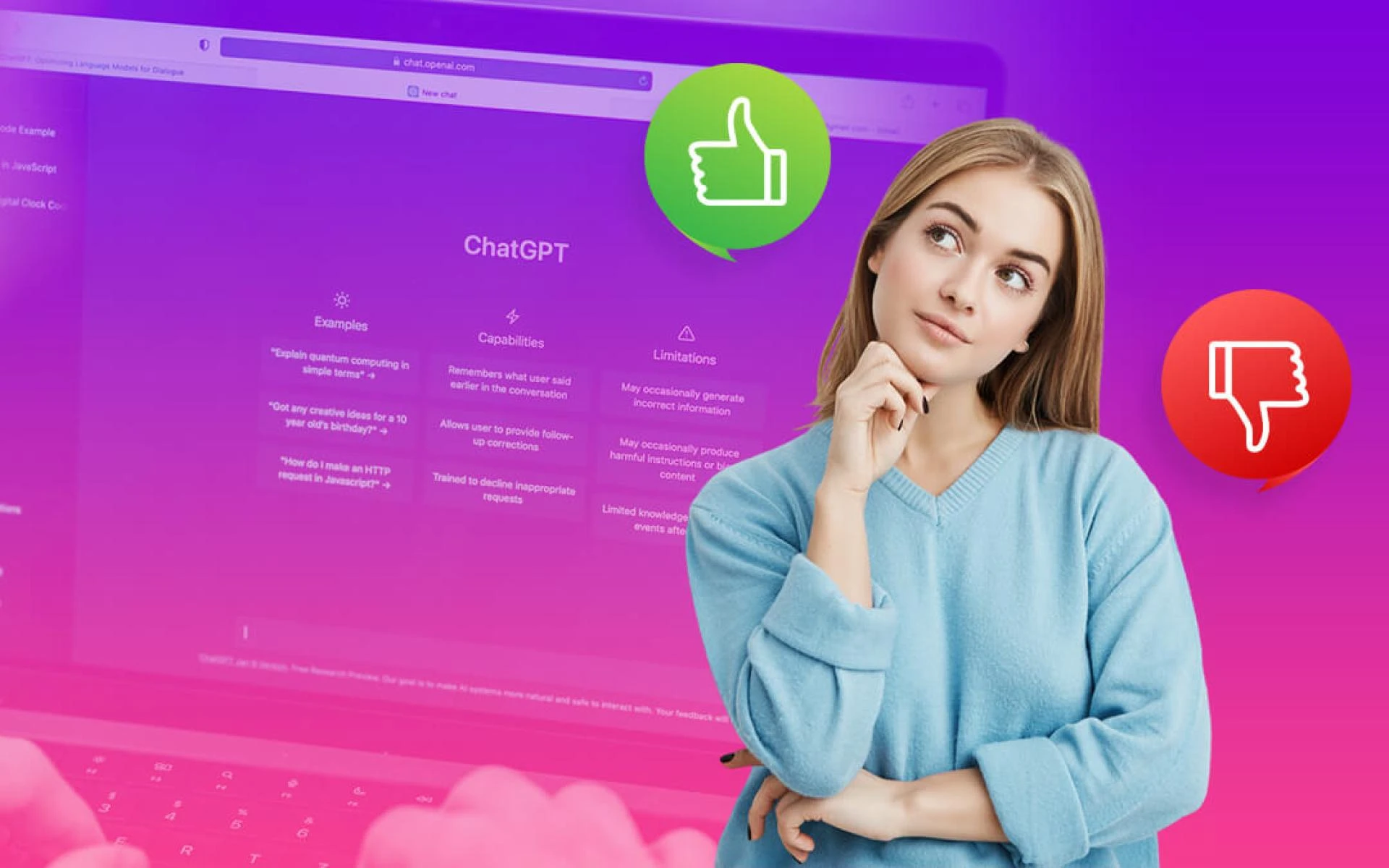

As an AI language model, I don't have personal opinions, but I can provide an analysis of how ChatGPT might affect content creators.
ChatGPT can have both positive and negative implications for content creators, depending on how it is used and the context in which it operates. Here are some key points to consider:
Positive Aspects for Content Creators:
Content Generation and Ideas: ChatGPT can serve as a valuable brainstorming tool for content creators. It can generate ideas, suggest different angles to explore, and provide inspiration for topics that might not have been considered otherwise. This can be particularly useful when a content creator is facing writer's block or struggling to find fresh perspectives.
Improved Efficiency: Researching and gathering information for content creation can be time-consuming. ChatGPT can help streamline this process by quickly finding relevant data, statistics, or references, thereby increasing the efficiency of content creation.
Automated Tasks: AI can assist content creators with various automated tasks. For instance, it can generate meta descriptions or alt text for images, saving time and effort for creators to focus on more high-level aspects of their content.
Multilingual Support: Content creators can use ChatGPT to translate their content into different languages. This feature can help them reach a more diverse and global audience, potentially expanding their readership and engagement.
Negative Aspects for Content Creators:
Plagiarism and Originality Concerns: While ChatGPT is a powerful language model, it is still trained on vast amounts of existing text. This raises concerns about plagiarism if the AI-generated content is too similar to existing works. It is crucial for content creators to ensure that the AI-generated content is properly attributed or sufficiently modified to maintain originality.
Quality and Accuracy: AI-generated content may not always be accurate or reliable. The language model can generate plausible-sounding but factually incorrect information, leading to potential misinformation if not thoroughly reviewed and fact-checked by the content creator.
Dependency Concerns: Over-reliance on AI for content creation can be detrimental to a content creator's writing skills and creativity. Relying too heavily on AI might hinder the development of one's unique voice and style, making content creation formulaic and less engaging over time.
Ethical Considerations: There are ethical considerations related to the use of AI for content creation. AI-generated content may raise questions about the authenticity of authorship and could potentially lead to job displacement for human writers, impacting the livelihoods of content creators and other professionals in the industry.
In conclusion, ChatGPT and similar AI language models offer numerous benefits for content creators, such as idea generation, efficiency, and multilingual support. However, content creators should be cautious about potential pitfalls, including plagiarism, accuracy issues, over-dependency on AI, and ethical concerns. Responsible usage and a balanced approach, where AI complements human creativity rather than replacing it, are essential for maximizing the positive impact of AI on content creation. Content creators should be mindful of the implications of AI-generated content and strive to maintain their unique voice and creativity while harnessing the power of AI to enhance their work.













Sign in to leave a comment.