
If you’ve ever felt a sharp, nagging pain running from your lower back down one leg, you might’ve experienced sciatica. And if you’ve Googled ways to ease that discomfort, chances are chiropractic care came up.
But here’s the big question: Does it actually work?
Let’s break down the facts and research to help you decide if seeing a chiropractor for sciatica is the right move.
What Exactly Is Sciatica?
Sciatica isn’t a condition in itself. It’s more like a symptom. It happens when your sciatic nerve gets irritated, pinched, or compressed.
That nerve is the longest one in your body, running from your lower back through your hips and buttocks and down each leg.
Common signs of sciatica:
- Sharp pain in the lower back, buttock, or leg (usually on one side)
- Tingling or numbness down the leg
- Muscle weakness
- Pain that gets worse when sitting, coughing, or standing for long periods
In Melbourne alone, many people deal with this kind of nerve pain due to desk jobs, long commutes, and sedentary habits.
What Causes Sciatica?
A bunch of things can put pressure on your sciatic nerve. Here are some of the most common causes:
- Herniated disc: When a disc in your spine slips and pushes on a nerve
- Spinal stenosis: Narrowing of the spinal canal
- Degenerative disc disease: Discs lose their cushioning over time
- Piriformis syndrome: A tight buttock muscle squeezes the sciatic nerve
- Poor posture and long hours of sitting (looking at you, office workers)
How Chiropractic Care Approaches Sciatica
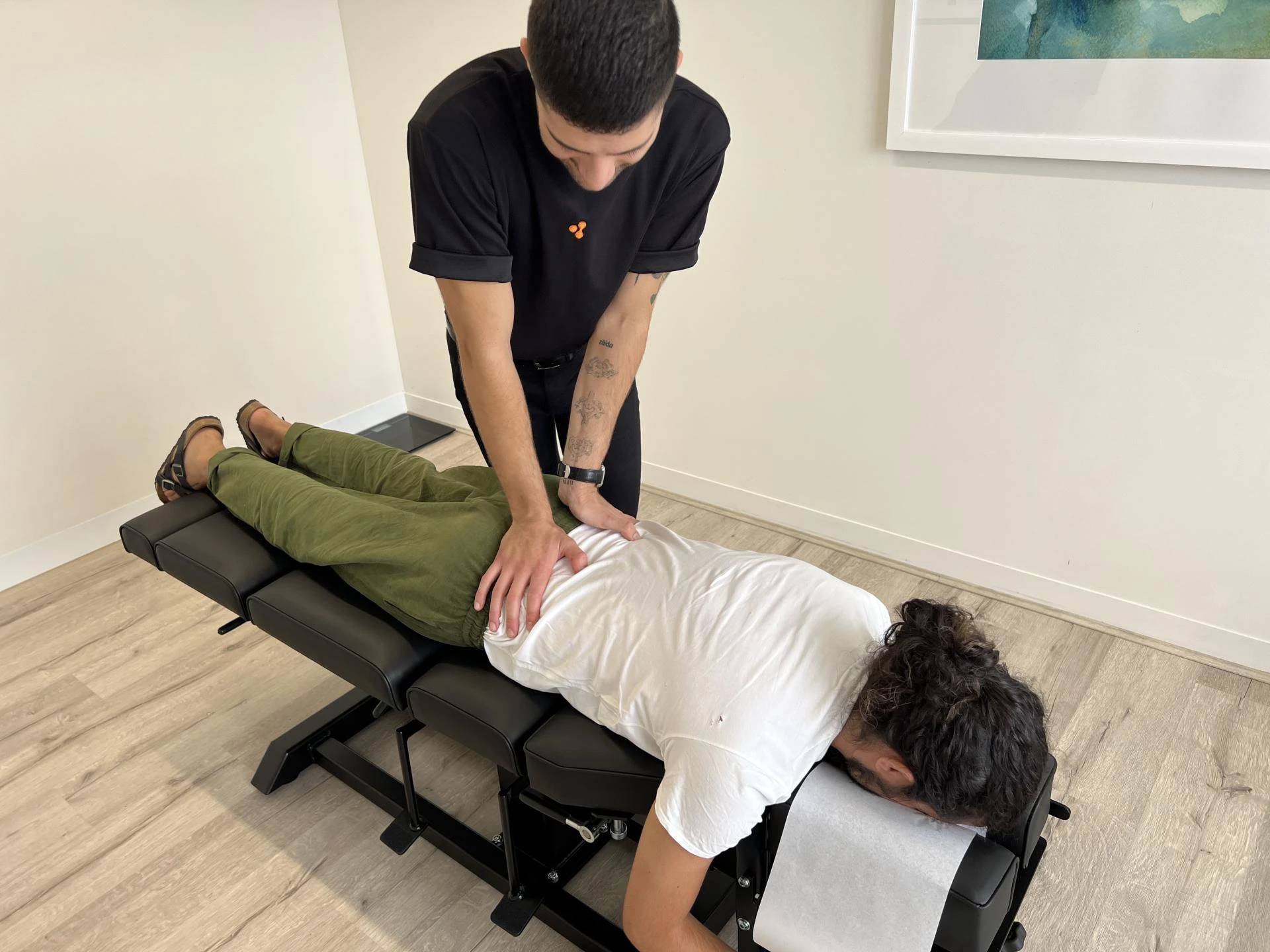
Here’s where things get interesting. Chiropractic care doesn’t just aim to mask the pain. It focuses on fixing what’s causing it.
A good sciatica chiropractor will tailor your treatment based on the root of your pain.
Common chiropractic techniques include:
Spinal Adjustments
Also known as full body chiropractic adjustment, this involves precise, controlled movements to realign your spine. It helps:
- Reduce pressure on the sciatic nerve
- Restore mobility
- Improve blood flow and healing
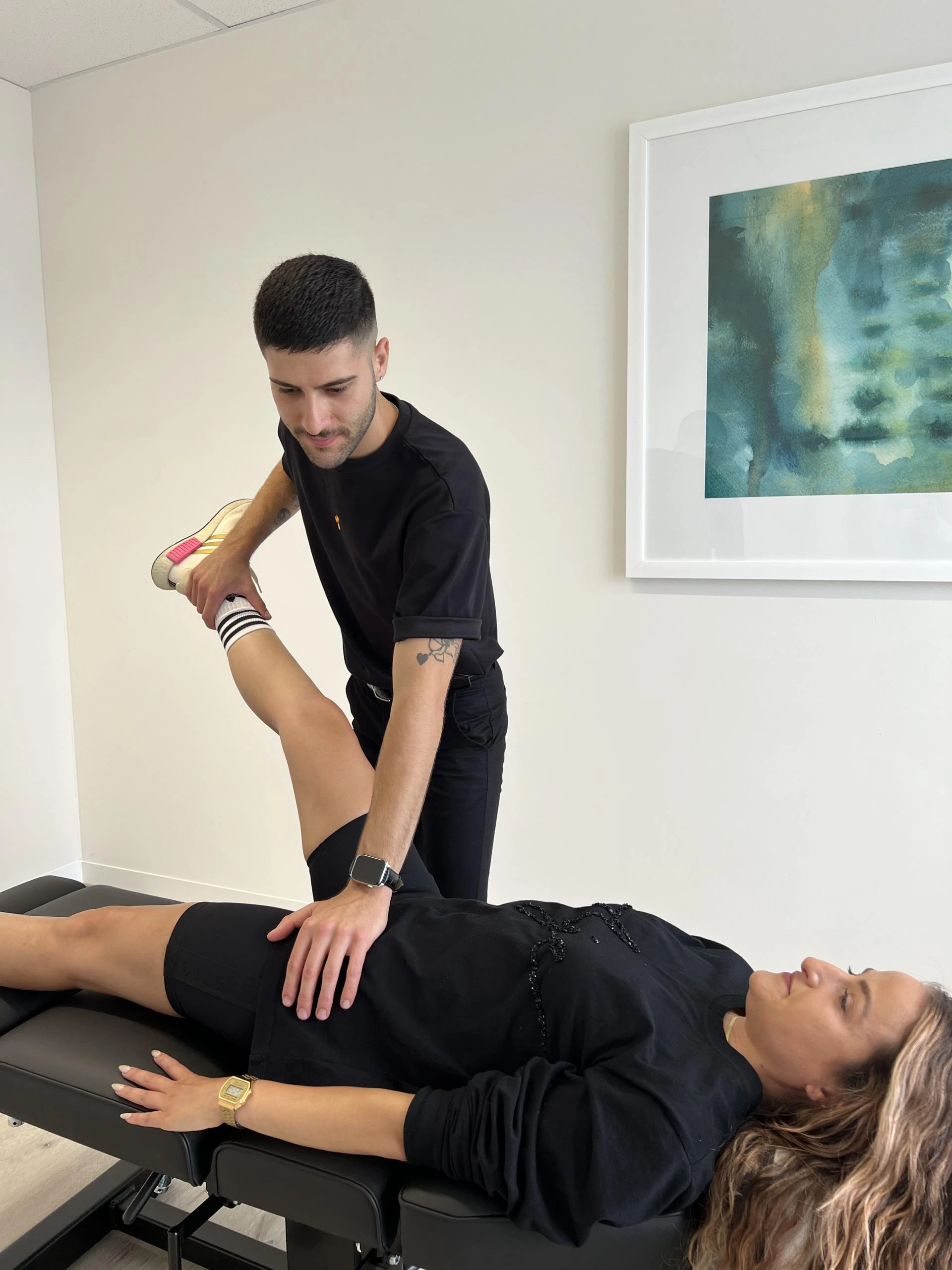
Cox Flexion-Distraction Technique
A gentle, hands-on method that uses a special table to stretch and decompress your spine. It’s particularly useful for disc-related sciatica.
Pelvic and Lumbar Adjustments
These target common trouble spots for sciatic pain. Correcting misalignments here can offer fast relief.
Postural and Ergonomic Coaching
Because let’s face it: sitting all day with poor posture isn’t doing your back any favours.
What the Research Says
You don’t just want stories, you want science. And honestly, we get that. When your back’s screaming and your leg feels like it’s on fire, you want real answers backed by real research. Thankfully, several well-respected studies have looked into chiropractic care for sciatica, and the findings are promising.
Here’s a quick look at the evidence:
- Clinical trial support: A landmark randomised double-blind clinical trial published in the journal Spine found that chiropractic spinal manipulation significantly reduced pain and improved mobility in patients with acute back pain and sciatica caused by disc protrusion. In fact, it outperformed simulated (placebo) treatments. Read the study here.
- Systematic review findings: A 2006 systematic review published in Spine Journal evaluated spinal manipulative therapy for acute low back pain. The results showed that spinal manipulation provides modest improvements in pain and function, especially in the short term—good news for anyone struggling with sciatica-related symptoms. View the study on PubMed
- Trusted health authorities agree: According to the National Center for Complementary and Integrative Health (NCCIH) in the U.S., spinal manipulation, including chiropractic adjustments, is a safe and effective option for low back pain. It’s even listed among recommended non-drug approaches to managing back issues, which often include sciatic nerve involvement. See the NCCIH summary.
When Should You See a Chiropractor for Sciatica?
Not every ache and twinge needs a chiropractor. But if you’re dealing with any of these, it’s worth booking an appointment:
- Pain that shoots from your lower back down your leg
- Tingling or numbness in one leg
- Pain that worsens when you sit or stand for long periods
- Reduced mobility or strength in your leg
When You Shouldn’t Wait
If your pain is severe, you’re losing bladder or bowel control, or you can’t feel your legs, go to a hospital immediately. You might have something more serious like cauda equina syndrome.
Chiropractic vs. Other Treatments for Sciatica
Here’s how chiropractic stacks up against other common treatments:
Chiropractic Care
- Focuses on alignment and nerve pressure
- Hands-on, drug-free, tailored to each patient
- Often includes posture correction and rehab
Physiotherapy
- Builds muscle strength and flexibility
- Complements chiropractic well for long-term support
Medication
- Painkillers and anti-inflammatories only mask symptoms
- Can cause side effects with long-term use
Surgery
- Last resort for severe or unresolved cases
- Involves higher risks and longer recovery
Chiropractic care is a great place to start, especially before jumping to medication or surgery.
What to Expect During Your First Visit
If you’ve never been to a chiropractor, here’s a heads-up.
1. Assessment
- You’ll talk about your symptoms, lifestyle, and medical history
- Your posture, flexibility, and nerve function may be tested
- X-rays might be ordered (especially if you’ve had pain for a while)
2. Diagnosis
- You’ll learn the likely cause of your sciatica
- Your chiropractor will map out a treatment plan
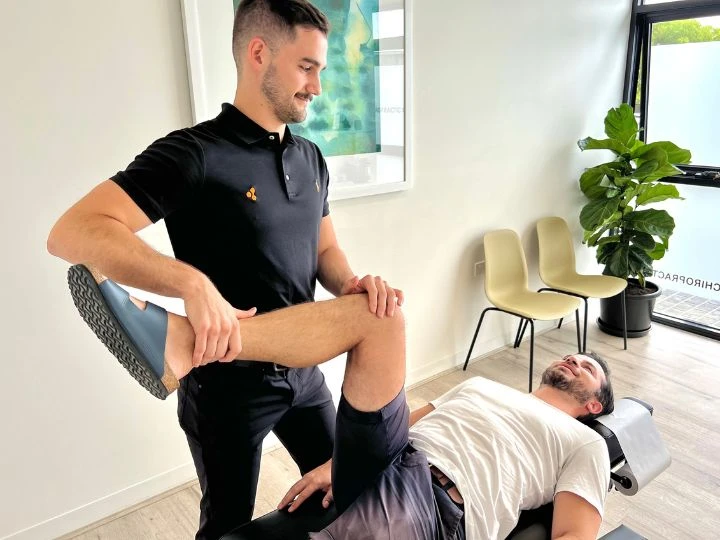
3. First Adjustment
- It might feel a bit strange at first
- You’ll probably hear some pops and cracks—that’s normal!
4. Aftercare
- You may be given stretches, posture tips, or exercises to do at home
- Follow-up sessions are usually recommended for lasting results
Frequently Asked Questions
- Is chiropractic safe for sciatica?
Yes, especially when performed by a licensed professional. Always check their qualifications.
- How many sessions will I need?
It depends on how long you’ve had the pain. Some people feel better after 2–3 visits. Others need 6–8 or more.
- Can I get worse before I get better?
Sometimes, yes. Your body’s adjusting. But if the pain increases dramatically, speak to your chiropractor.
- Do I need a referral?
Nope. You can book directly.
- Can chiropractic help with pregnancy-related sciatica?
Yes. Many chiropractors use gentle techniques specifically for pregnant women.
How to Choose the Right Chiropractor in Melbourn
Not all chiropractors are the same. Here’s what to look for:
- Experience with sciatica cases
- Good communication and transparency
- A clinic that offers holistic, patient-centred care
- Positive reviews and testimonials
Ask questions like:
- What techniques do you use for sciatic pain?
- Do you offer full body chiropractic adjustment?
- How many sessions will I need?
You can also check professional directories like the Australian Chiropractors Association (ACA).
Final Thoughts
If you’re dealing with sciatic pain, you don’t have to tough it out. And you don’t have to go straight to painkillers or surgery either.
A chiropractor for sciatica could help reduce the pain, improve your movement, and get you back to doing what you love without relying on medications.
If you're in Melbourne and wondering whether chiropractic treatment is right for your sciatica, the best first step is a consultation. A proper assessment can tell you if chiropractic care is a good fit for your specific condition.


























Sign in to leave a comment.