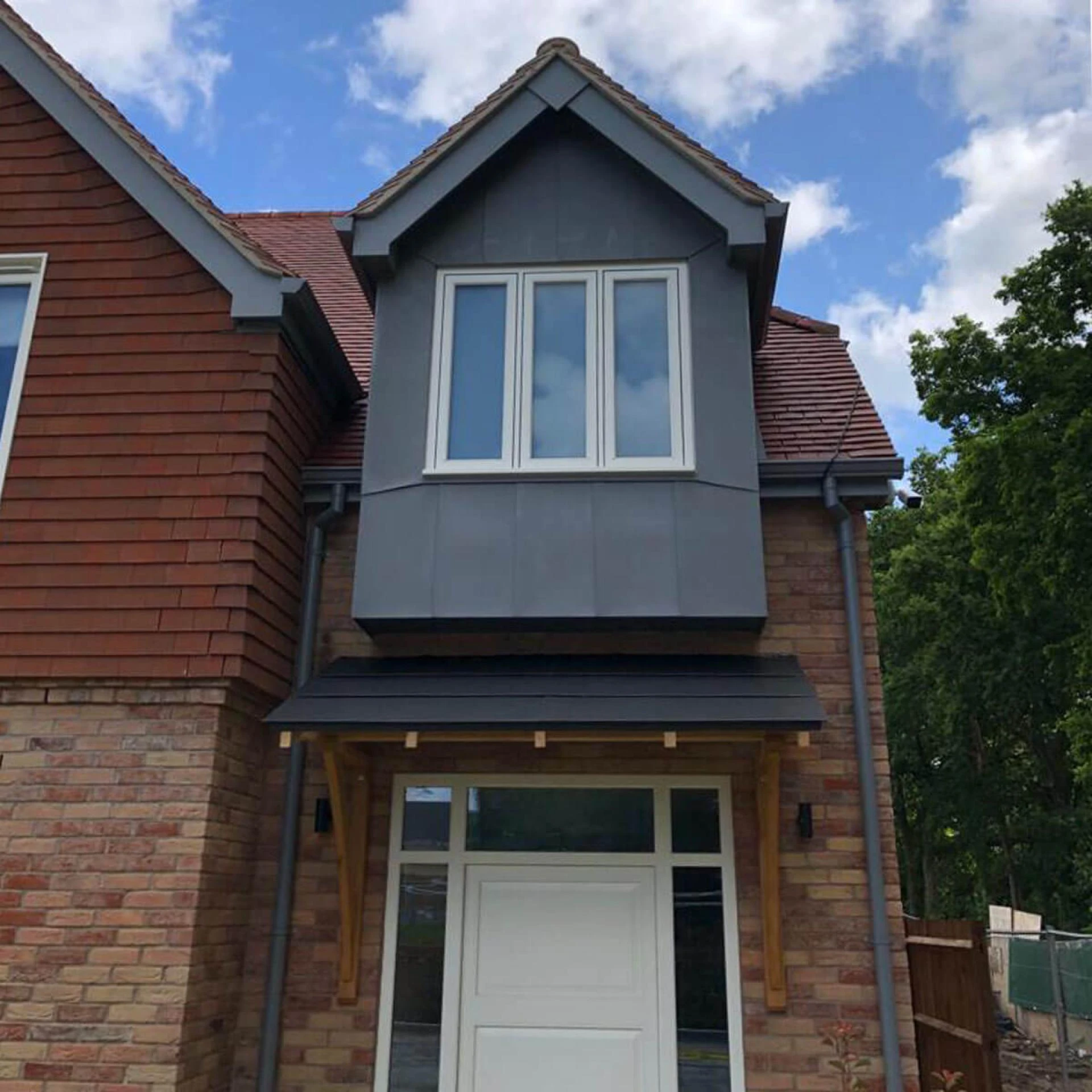
Copper metal cladding has become one of the most eye-catching trends in modern architecture, and it’s increasingly visible across new builds and home renovations in the capital. Whether it’s an extension in Hackney or a full façade upgrade in Kensington, copper metal cladding in London is gaining traction for its blend of durability, natural beauty, and long-term value. But is it actually worth the investment for the average homeowner? This guide breaks down everything you need to know.
What Is Copper Metal Cladding?
Copper metal cladding is an exterior covering system made from solid copper panels or sheets fitted onto a building’s walls or roofing structure. Architects use it to protect a property from the elements while giving it a distinctive, high-end appearance. In residential settings, copper cladding often appears on extensions, dormers, façades, gables, and even garden studios.
In London’s design scene, copper is celebrated for how it adapts to both modern and traditional homes. It pairs well with brick, glass, timber, and concrete—making it a versatile choice for renovations as well as new architectural projects.
Benefits of Copper Metal Cladding for London Homes
1. Exceptional Durability and Weather Resistance
London’s weather is famously unpredictable, with frequent rain, damp conditions, and temperature shifts. Copper performs extremely well in this environment. It doesn’t rust, crack, or warp, and it naturally forms a protective surface film that shields it from pollution, moisture, and urban grime.
2. A Unique, Modern Aesthetic
Copper adds instant character to a property. When newly installed, it has a warm metallic tone that stands out without overpowering the architecture. Over time, it develops colour variations that give the building depth and individuality.
3. Natural Patina Development
One of copper’s greatest advantages is its natural patina—a gradual transformation from bright metal to rich browns, eventually reaching a green-blue or soft turquoise finish. This patina acts as a protective barrier, meaning copper grows more resilient as it ages.
4. Low Maintenance Requirements
For homeowners looking to avoid frequent upkeep, copper is ideal. It doesn’t need painting, sealing, or refinishing. Rainwater naturally washes the surface, and the patina forms without intervention. Compared with timber, which requires regular treatment, or aluminium, which may show wear over time, copper is practically hands-off.
5. Longevity and Sustainability
Copper is one of the longest-lasting cladding materials on the market, with a lifespan of 60–100 years or more. It is also fully recyclable, making it an environmentally responsible choice—a major plus for London homeowners seeking sustainable home renovation materials.
Cost Breakdown
What Influences the Price?
- Labour costs – London tradespeople experienced in metal cladding typically charge higher rates due to specialist skills.
- Design complexity – Curved façades, complex junctions, or bespoke detailing raise installation time and cost.
- Building height – Using scaffolding can add significantly to the overall price.
- Panel system – Standing seam, flatlock, shingle, and cassette-style systems differ in cost and labour intensity.
- Existing structure – Renovations involving structural upgrades or insulation improvements will increase the budget.
Long-Term Value vs. Upfront Cost
Yes, copper has a higher initial price than many alternatives. However, it pays off over decades due to its longevity, low maintenance, and strong resistance to weathering. Where some materials may require repair or replacement every 15–25 years, copper often lasts a lifetime—making it a financially sound long-term investment.
Is Copper Cladding Worth It Compared to Alternatives?
Copper vs Aluminium
- Pros of Aluminium: Cheaper, lightweight, wide colour range.
- Cons: Coatings may fade, more vulnerable to denting.
- Verdict: Copper wins on longevity, character, and long-term value.
Copper vs Zinc
- Pros of Zinc: Sleek appearance, mid-range price, durable.
- Cons: Can stain in polluted environments without proper detailing.
- Verdict: Zinc is a good alternative, but copper is more stable in changing weather and develops a richer patina.
Copper vs Timber
- Pros of Timber: Warm, natural, affordable upfront.
- Cons: High maintenance, shorter lifespan, prone to rot in damp climates.
- Verdict: Copper is far more durable and requires far less upkeep.
Copper vs Composite Cladding
- Pros of Composite Panels: Low cost, simple installation, many colour options.
- Cons: Susceptible to fading, warping, and potential replacement after 20–30 years.
- Verdict: Copper is the premium option for homeowners seeking long-term resilience.
When Copper Is the Better Option
Copper is ideal for London homeowners who want:
- A standout architectural look
- Minimal maintenance
- Long-term value
- Eco-friendly materials
- Durability suited to London’s damp, urban climate
It is especially worthwhile for extensions, modernisations, and homes where design is a priority.
Conclusion
So, is copper metal cladding worth it? For many London homeowners, the answer is yes. It offers unmatched longevity, an evolving natural beauty, and outstanding performance in the city’s challenging weather. While the cost is higher upfront, the long-term value and minimal maintenance make copper one of the most reliable exterior materials available today.

























Sign in to leave a comment.