
Introduction
The classification of corn as a vegetable or a grain has been a topic of culinary and botanical debate for years. While many people instinctively think of corn as a vegetable, the matter is not as simple as it seems. In this article, we will explore the various aspects of corn's identity and try to answer the question: Is corn a vegetable?
The Corn Conundrum
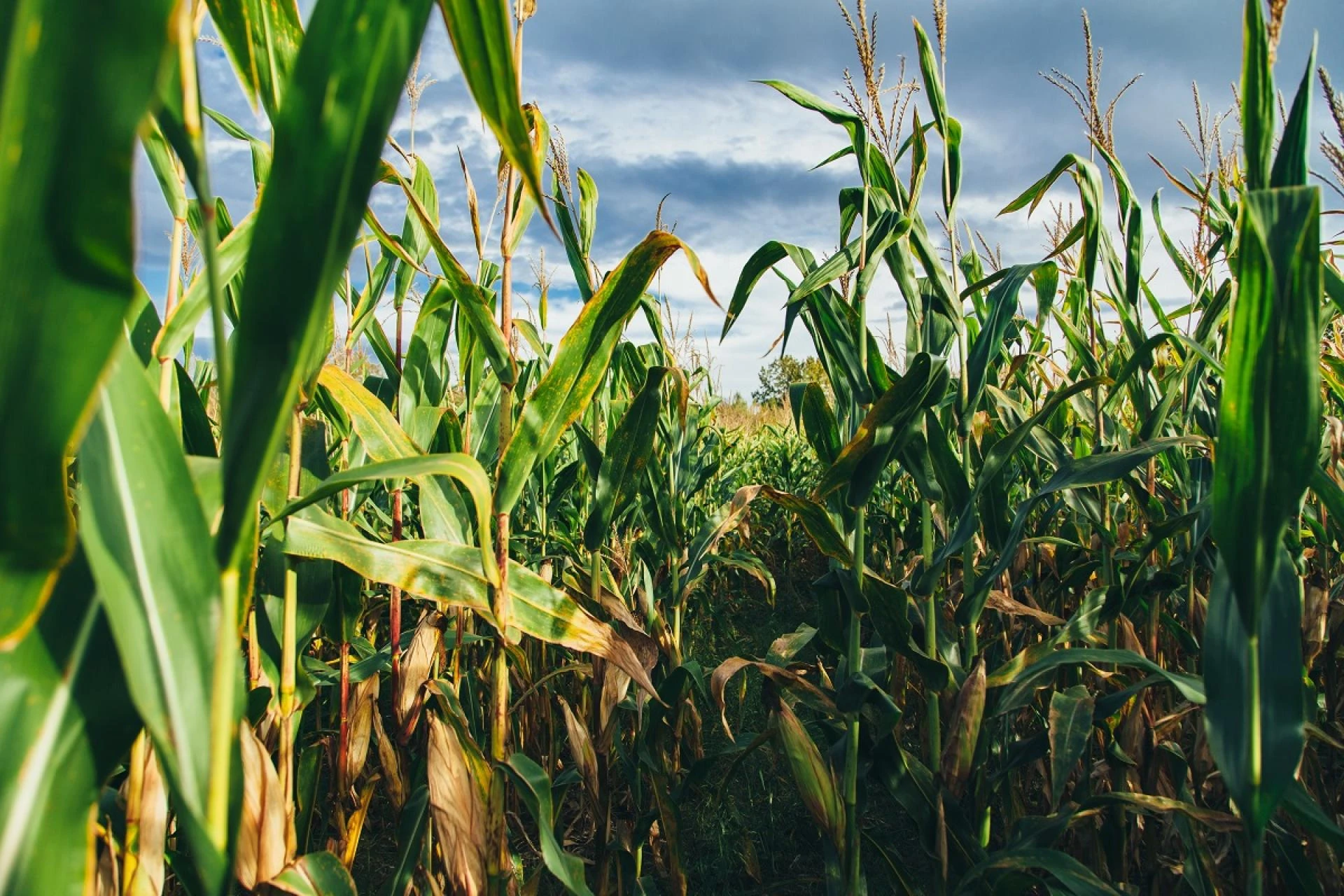
Corn, scientifically known as Zea mays, is a cereal grain that originated in the Americas thousands of years ago. It has been a staple in the diets of countless cultures around the world, making it one of the most important crops globally. However, its classification as a vegetable or a grain often perplexes people due to its dual nature.
Botanical Perspective
From a botanical perspective, corn is considered a cereal grain. It grows on tall grass-like plants and belongs to the grass family, Poaceae. Each kernel of corn is, in fact, a seed, and the entire cob is essentially a collection of seeds. These seeds, when mature, are dried and ground into cornmeal or used in various ways to produce a wide array of food products, including cornflakes, cornstarch, and corn oil.
In botanical terms, vegetables are typically the edible parts of plants that are not the reproductive organs, such as the leaves (lettuce), roots (carrots), or stems (celery). Since corn kernels are the reproductive part of the plant, they don't fit the botanical definition of a vegetable.
Culinary Classification
Culinary classification often varies from botanical classification. When we discuss whether corn is a vegetable, we are typically referring to how it is used in cooking and eaten. From this perspective, corn is frequently considered a vegetable. It's used in a variety of dishes, including salads, stir-fries, and side dishes. In the culinary world, corn is often grouped with other vegetables due to its taste and versatility in cooking.
Nutritional Aspects
When it comes to nutrition, corn has qualities of both vegetables and grains. Corn is a good source of fiber, vitamins, and minerals, which are characteristics commonly associated with vegetables. However, it is also relatively high in carbohydrates, which aligns with the grain category. The nutritional profile of corn further blurs the line between vegetable and grain.
Historical Perspective
The history of corn's classification as a vegetable is intertwined with its introduction to Europe and its adoption into the European diet. When corn was first brought to Europe from the Americas in the 15th century, it was initially perceived as a vegetable due to its preparation and usage. It was typically boiled or roasted and served in a manner similar to how vegetables were prepared.
Over time, corn became a staple grain in European diets, especially in the form of cornmeal. However, its culinary and botanical identity remained a point of contention. The dual nature of corn's classification continued as it spread around the world.
Cultural Variations
The classification of corn also varies across different cultures. In some countries, corn is predominantly considered a grain and is used to make various bread and porridge-like dishes. In contrast, in many Latin American and North American cuisines, corn is often considered a vegetable and used in salads, salsas, and side dishes.
The United States, where corn is a dietary staple, further complicates the matter. In the U.S., corn is categorized as both a vegetable and a grain for agricultural and dietary purposes. The U.S. Department of Agriculture (USDA) classifies corn as a vegetable when it is harvested and consumed in its fresh form (e.g., corn on the cob) but as a grain when it is dried and processed.
Health Implications
The classification of corn has implications for dietary guidelines and health recommendations. If corn is considered a vegetable, it may be encouraged as part of a balanced diet due to its nutritional content. On the other hand, if it is classified as a grain, it may be treated differently in dietary guidelines, especially those related to carbohydrate intake.
However, it's essential to note that the classification of corn as a vegetable or grain doesn't change its nutritional value. Corn can be a healthy addition to your diet, providing essential nutrients like dietary fiber, vitamins, and minerals.
Conclusion
In conclusion, the classification of corn as a vegetable or a grain depends on your perspective—botanical, culinary, or cultural. From a botanical standpoint, corn is a grain due to its growth on grass-like plants and its status as a reproductive seed. However, in culinary contexts, it is often considered a vegetable because of its common use in savory dishes and salads.
The debate surrounding corn's classification highlights the complexity of our understanding of food and how it fits into our diets. Ultimately, whether you view corn as a vegetable or a grain, it remains a valuable and versatile food source that has played a significant role in global cuisines for centuries. So, while the question of whether corn is a vegetable may not have a definitive answer, what's clear is that corn continues to be a delicious and nutritious addition to our plates.
Read more articles

























Sign in to leave a comment.