
Sciatica can cause sharp pain that radiates from the lower back into the leg. It can make walking, sitting, and even sleeping difficult. Many people search for safe, natural ways to manage this discomfort and improve daily movement without relying fully on tablets or injections.
Many people now consider Deep Tissue Massage in Farringdon as a practical option for easing nerve pain and tight muscles. This therapy focuses on deeper muscle layers to reduce pressure and improve blood flow. In this guide, we explain what sciatica is, how massage therapy works, and whether it can truly help reduce symptoms and support long-term recovery.
What Is Sciatica?
Sciatica is not a condition in itself. It is a symptom of irritation or pressure on the sciatic nerve. This nerve is the longest nerve in the body. It runs from the lower spine through the hips and down each leg.
Common Causes of Sciatica
- Slipped or herniated disc
- Muscle tightness in the lower back
- Piriformis syndrome
- Spinal stenosis
- Poor posture
- Long hours of sitting
When the nerve becomes compressed, it can cause:
- Sharp shooting pain
- Burning sensation
- Numbness
- Tingling in the leg
- Weakness in the lower body
What Is Deep Tissue Massage?
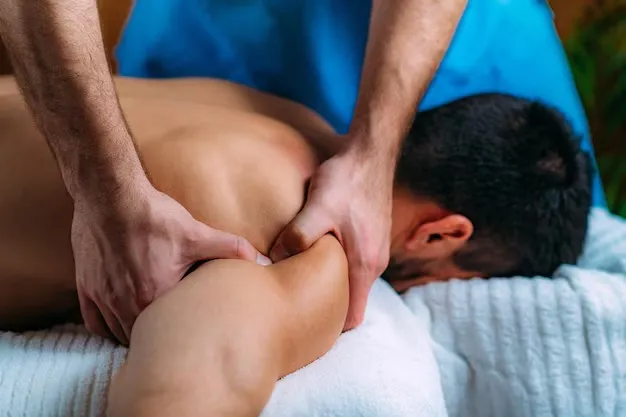
Deep Tissue Massage is a type of massage therapy that uses firm pressure and slow strokes. It focuses on deeper layers of muscle and connective tissue.
This treatment aims to:
- Break down muscle knots
- Release chronic tension
- Improve blood circulation
- Reduce inflammation
- Support muscle recovery
It is different from Swedish massage, which is lighter and more relaxing. Deep pressure helps target long-term muscle tightness that may press on nerves.
How Sciatica and Muscle Tension Are Linked
In many cases, sciatica pain is made worse by tight muscles. For example, the piriformis muscle in the buttocks can press on the sciatic nerve.
When muscles become tight or inflamed, they can:
- Compress nearby nerves
- Reduce blood flow
- Increase inflammation
- Limit movement
By relaxing these muscles, massage therapy may reduce pressure on the sciatic nerve.
How Deep Tissue Massage May Help Sciatica
1. Releases Muscle Tension
Tight muscles in the lower back and hips often make sciatica worse. Deep pressure helps loosen these tight areas.
2. Improves Blood Flow
Better circulation brings oxygen and nutrients to injured tissues. This supports healing.
3. Reduces Inflammation
Massage helps reduce swelling around muscles and nerves.
4. Breaks Down Scar Tissue
Chronic pain can cause scar tissue to build up. Massage helps soften and stretch these areas.
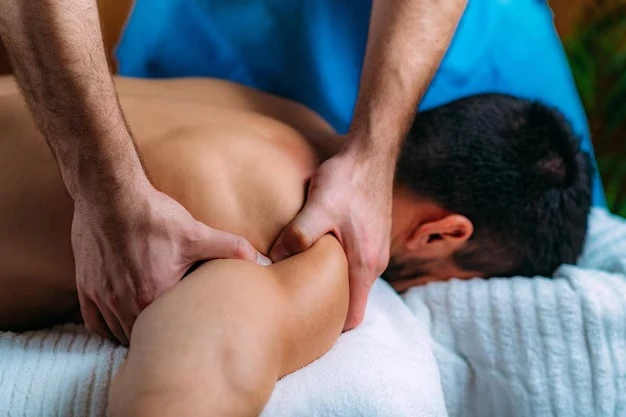
A professional Deep Tissue Massage session focuses on the lower back, hips, and legs to ease nerve pressure.
What Happens During a Session?
If you have sciatica, the therapist will first ask about your symptoms.
Before Treatment
- Health history review
- Pain location discussion
- Movement checks
During Treatment
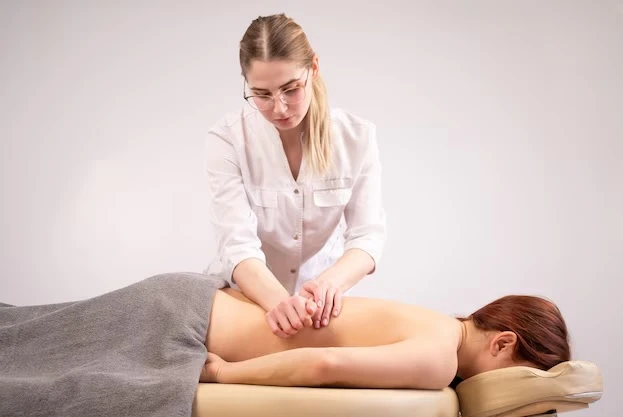
- Firm pressure on the lower back muscles
- Work on glutes and hips
- Slow strokes along tight muscle bands
- Trigger point therapy, if needed
You may feel some discomfort, but it should not be sharp pain. Communication with the therapist is important.
After Treatment
- Mild soreness is normal
- Drink water
- Gentle stretching is helpful
Benefits of Deep Tissue Massage for Sciatica
Here are some potential benefits:
Pain Relief
Reducing muscle tension may lower nerve pressure.
Better Mobility
Looser muscles improve range of motion.
Improved Posture
Massage helps correct muscle imbalances.
Reduced Stress
Chronic pain often increases stress levels. Massage supports relaxation.
Regular Deep Tissue Massage treatments may provide better long-term results.
Is Deep Tissue Massage Safe for Everyone?
Massage therapy is generally safe, but not suitable for all cases.
You Should Avoid It If You Have:
- Severe spinal injury
- Recent surgery
- Blood clotting disorders
- Severe osteoporosis
Always speak to a healthcare professional if you are unsure.
How Often Should You Get Treatment?
The right frequency depends on the severity of pain.
- Mild sciatica: every two to three weeks
- Ongoing pain: weekly sessions may help
- Maintenance care: once a month
Consistency often improves results.
Other Ways to Support Sciatica Relief
Massage works best when combined with healthy habits.
Helpful Tips
- Gentle stretching
- Core strengthening exercises
- Good posture
- Proper desk setup
- Heat therapy
- Staying active
A holistic approach supports faster recovery.
Deep Tissue Massage vs Other Treatments
Many people compare massage to other options.
Medication
Painkillers may reduce symptoms, but do not fix the root cause.
Physiotherapy
Strengthens muscles and improves posture.
Acupuncture
May reduce nerve pain and inflammation.
Massage therapy can work alongside these treatments as part of a complete pain management plan.
Final Thoughts
Sciatica can affect daily life and reduce comfort. Muscle tension often plays a big role in nerve pain. Massage therapy may help by loosening tight muscles, improving circulation, and reducing pressure on the sciatic nerve.
If you are considering Deep Tissue Massage in Farringdon, choosing an experienced clinic is important. A&M Health Clinic provides professional care in a calm and supportive setting, helping clients manage pain and improve mobility through safe and effective massage therapy.




























Sign in to leave a comment.