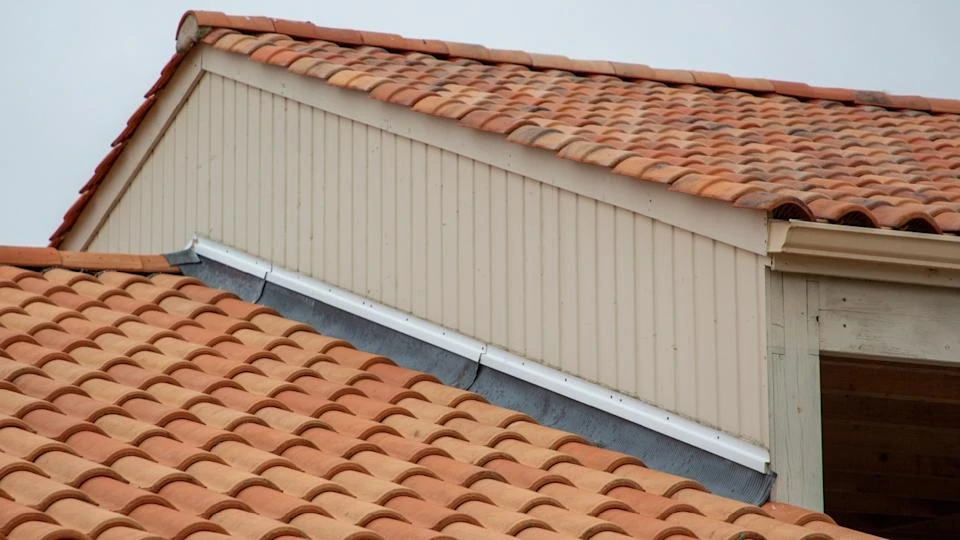

Ever noticed how even the most well-built roofs can betray you with one sneaky leak? That’s where the real hero of modern roofing comes in — Dektite roof flashing. While most people obsess over tiles, sheets and ridges, it’s this flexible, heat-resistant little marvel that silently keeps water from invading your home. But the question is — what makes Dektite different from regular flashing solutions?
What Exactly Is Dektite Roof Flashing?
In simple terms, Dektite roof flashing is a premium sealing solution designed to waterproof roof penetrations — think pipes, vents and flues. Unlike traditional metal flashings that can warp, crack or rust, Dektite is made from a flexible EPDM or silicone base that molds perfectly to any roof profile.
The result? A watertight seal that endures extreme temperatures, high UV exposure and heavy rainfall without a hint of compromise. Whether it’s a domestic home or an industrial facility, Dektite offers protection that’s built to outlast ordinary materials.
Why Is Dektite Roof Flashing Becoming So Popular?
Here’s the thing — homeowners and roofers alike are realizing that the weakest points in any roof are the places where pipes and vents break through. And that’s exactly where Dektite flashing shines.
It’s designed for quick installation and long-term performance. The flexible cone shape can be trimmed to fit different pipe diameters, while the aluminum base easily conforms to the roof surface — metal, tile or even COLORBOND®. No special tools, no complicated procedures — just cut, fit and seal.
Its heat resistance is another major win. Standard EPDM Dektites handle temperatures up to 115°C, while high-temp silicone versions go beyond 200°C — making them ideal for hot exhausts and solar applications.
What Makes It Better Than Traditional Flashing?
That’s the million-dollar question. Traditional metal flashings often need custom fabrication, can rust over time and might not form a tight seal on uneven roofs. Dektite, on the other hand, adapts instantly — flexing with roof movements and temperature changes without cracking or detaching.
Plus, the UV resistance of Dektite materials ensures long-lasting performance under the harsh Australian sun. No fading, no hardening — just consistent protection year after year.
And unlike rigid metal flashings, Dektite allows easy maintenance. If a pipe size changes or a new vent is added, the existing Dektite can often be adjusted or replaced without disturbing the entire roofing system.
Is Dektite Roof Flashing Worth the Price?
Given all its perks, it’s natural to wonder whether Dektite roof flashing is cost-effective. While it may cost slightly more upfront than basic metal options, its durability, flexibility and easy installation make it a better long-term investment. Fewer leaks mean fewer repairs — and that translates to serious savings over the roof’s lifespan.
For builders, it also means less downtime, less labour and fewer call-backs — all adding up to better project efficiency.
Final Thought: Small Product, Big Impact
In the grand scheme of roofing, Dektite roof flashing might seem like a small component. But when the storm hits, it’s the difference between a dry ceiling and a dripping disaster.
Maybe it’s time the spotlight shifts from tiles and panels to the real MVP of waterproofing — Dektite. Because sometimes, the smallest details make the biggest difference.


























Sign in to leave a comment.