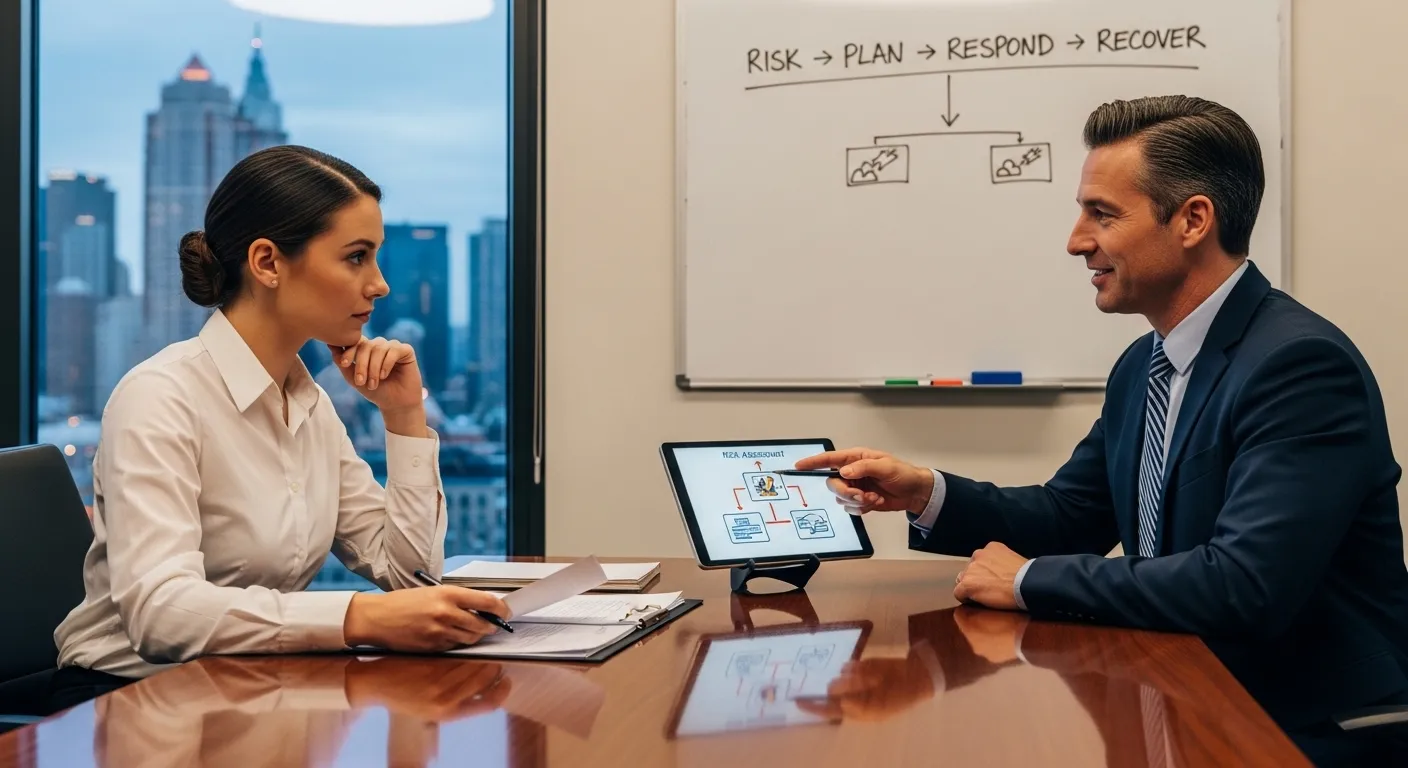

Here's something most business owners will admit if you ask them honestly- emergency planning sits at the bottom of the to-do list. Not because they do not care, but because there is always something louder demanding attention. A client issue. A cash flow concern. A team conflict. Disaster preparedness feels abstract until it is not.
Crises have genuinely terrible timing. And businesses that struggle most during emergencies are rarely unprepared because they lack resources- they are unprepared because they never made the time. Working with an emergency management consulting professional changes that. It replaces guesswork with something you can actually rely on. This blog covers whether that investment makes sense for smaller organizations, what the process looks like, and what you actually get out of it.
Why Smaller Businesses Carry More Risk Than They Think?
There is a common assumption that emergency preparedness is a large-organization problem. But that logic does not hold when you look at what actually happens to small and mid-sized businesses after a serious disruption. They close- not always permanently, but often enough.
Smaller operations run lean. No dedicated risk team, no redundancy built into daily operations. When something goes wrong, every gap becomes immediately visible-
- Key decisions rely entirely on one or two people who may not be reachable
- No documented protocol means everyone improvises differently
- Recovery stretches far longer than necessary because nobody planned for it
A good emergency management consulting firm does not add complexity. It removes the chaos that would otherwise fill the space when things go sideways.
What Working With an Emergency Management Consulting Company Actually Looks Like?

Forget the image of someone delivering a massive binder and calling it done. A serious emergency management consulting company works with you, not around you. The process tends to move through these stages-
- Risk & Vulnerability Assessment- What could realistically go wrong for your specific business, in your location and industry? This stage is more eye-opening than most clients expect.
- Emergency Response Plan Development- Clear, usable plans for the scenarios most likely to affect your team- not generic templates pulled from a shelf.
- Emergency Response Training- Your team walks through the plan until the response becomes instinctive, not something they have to hunt for mid-crisis.
- Exercises & Simulations- Tabletop scenarios and drills that expose real gaps before an actual event does.
- Ongoing Plan Maintenance- A plan written three years ago for a different version of your business is not really a plan anymore.
What a Disaster Recovery Consultant Brings to the Table
A disaster recovery consultant focuses on what happens after the dust settles- getting your critical systems, data, and core operations back up as fast as possible. For smaller organizations, this usually surfaces a few uncomfortable realities-
- No clear priority order for which functions get restored first
- Data backup processes that exist on paper but have never been tested
- Vendor dependencies that create cascading failures nobody mapped out
Disaster Risk Management Training Is Not a Workshop. It Is a Habit.
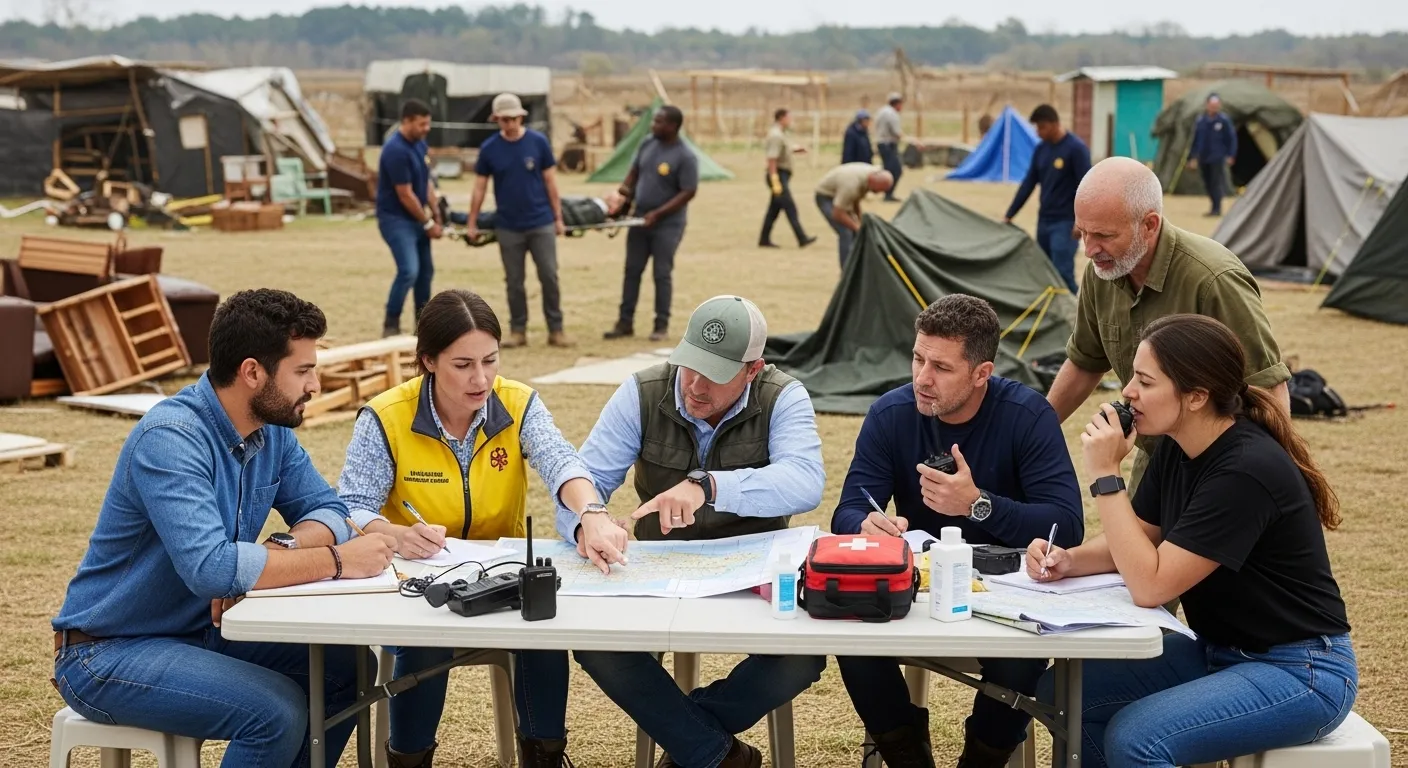
One session is not enough. Disaster risk management training works when it is treated as a recurring part of how the organization operates. Teams that train regularly respond differently when something real happens- less freezing, fewer conflicting instructions, faster decisions that actually reduce damage.
And there is a secondary benefit that does not get talked about enough. When leadership visibly invests in preparedness, employees notice. It builds organizational confidence that has real value well beyond any single emergency.
Final Words
Emergency management consulting is not about imagining worst-case scenarios all day. It is about making sure your business does not become one. Small and mid-sized businesses face real, specific risks- and most are addressable with the right guidance, solid emergency response training, and a plan built for your actual team.
Ready to stop putting it off? Contact Business Contingency Group today and find out what a preparedness plan built around your business actually looks like.
FAQs
What is emergency management consulting?
Expert support that helps businesses build real plans for responding to and recovering from emergencies before one actually happens.
Is an emergency management consulting firm only for large organizations?
No- smaller businesses often benefit more because they have fewer internal resources to fall back on during a crisis.
What does a disaster recovery consultant handle?
Restoring critical operations, data, and systems as quickly as possible after a disruption with a pre-built recovery sequence.
How frequently should emergency response training happen?
At least annually, with drills and scenario exercises woven in throughout the year to keep the knowledge current.
What is disaster risk management training, and who needs it?
Structured training that prepares teams to respond effectively during emergencies- every organization with employees needs it.































Sign in to leave a comment.