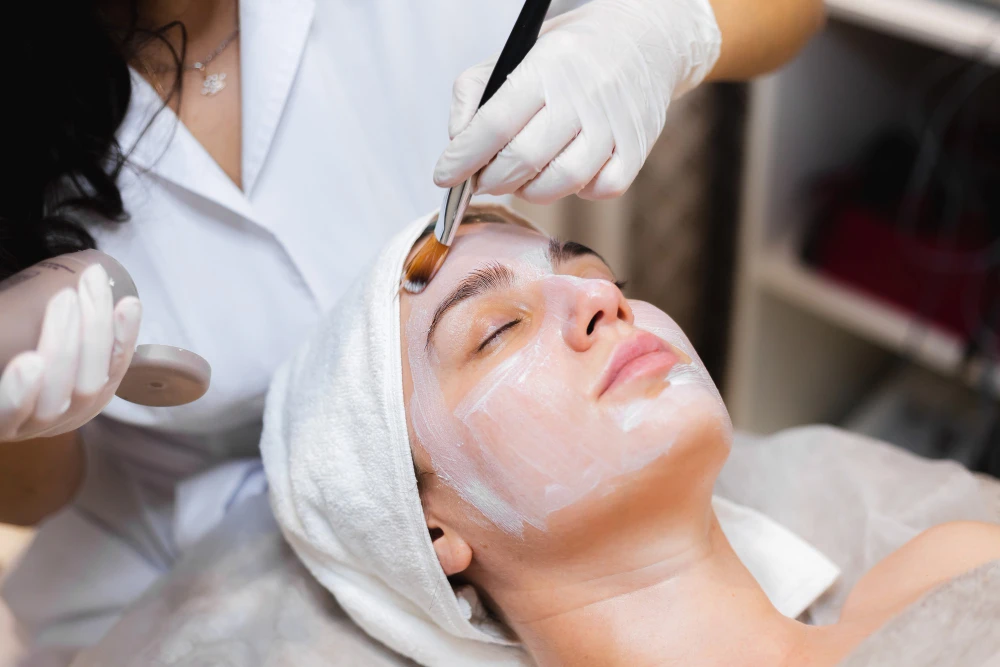

Facials are one of the most popular skincare treatments worldwide, often associated with relaxation, glow, and self-care. From salons to dermatology clinics, people book facials to cleanse, hydrate, and rejuvenate their skin. But many still wonder whether facials are truly beneficial or just a temporary fix. What is a facial exactly, and is it good for your skin in the long run? Let’s explore the facts, benefits, and possible downsides to help you decide.
How Facials Work on the Skin?
Facials work by removing surface impurities, unclogging pores, and improving blood circulation. Professional-grade products and techniques allow deeper penetration of active ingredients compared to daily home skincare routines. When done correctly, facials can support overall skin health and enhance your regular skincare results.
Pros of Facials for Your Skin
Facials can offer both immediate and long-term benefits when chosen wisely.
Key benefits include:
- Deep cleansing: Removes dirt, oil, and pollutants that daily cleansing may miss
- Improved skin texture: Exfoliation helps smooth rough, dull skin
- Hydration boost: Masks and serums restore moisture and balance
- Enhanced circulation: Facial massage promotes oxygen flow and cell renewal
- Stress reduction: Relaxation lowers cortisol, which can positively impact skin
- Customized care: Treatments can target acne, pigmentation, fine lines, or sensitivity
Regular facials may also help dermatologists or estheticians monitor changes in your skin and adjust treatments accordingly.
Cons of Facials You Should Know
Despite the benefits, facials are not universally suitable for everyone.
Potential drawbacks include:
- Risk of irritation: Sensitive or acne-prone skin may react to certain products
- Temporary results: Glow and smoothness may fade without consistent care
- Over-exfoliation: Too frequent facials can weaken the skin barrier
- Breakouts after treatment: Especially after extractions or new products
- Cost factor: Professional facials can be expensive over time
Improper technique or unqualified providers can increase the risk of redness, inflammation, or post-facial breakouts.
Are Facials Good for Every Skin Type?
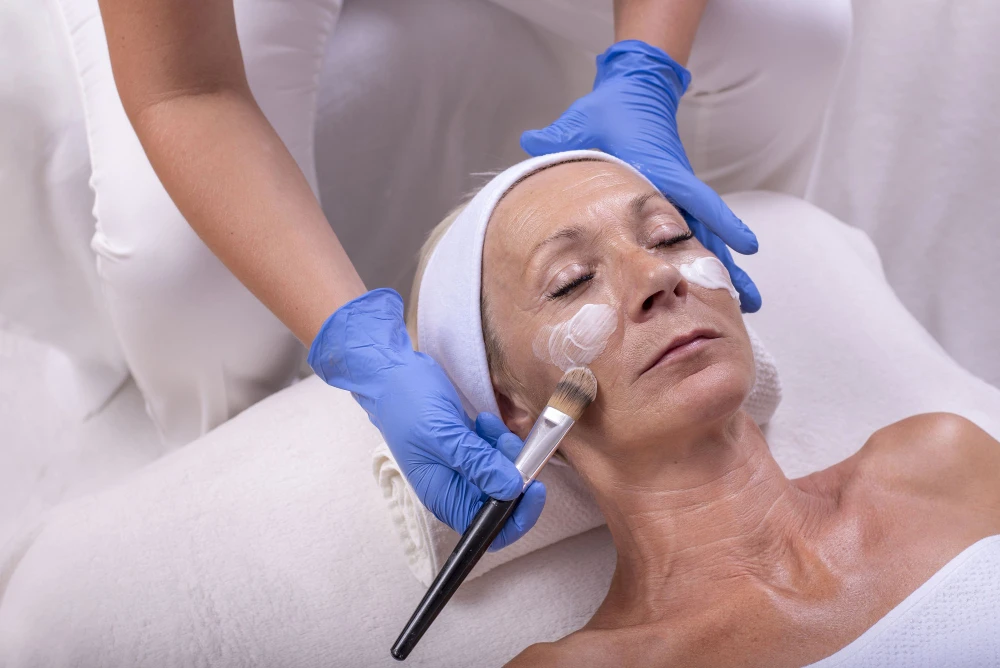
Facials can be beneficial for most skin types, but customization is essential. Oily, dry, combination, aging, and acne-prone skin all require different approaches. People with active acne, rosacea, eczema, or recent cosmetic procedures should consult a dermatologist before getting a facial.
How Often Should You Get a Facial?
For most people, a facial every 4–6 weeks aligns with the skin’s natural renewal cycle. However, frequency should depend on:
- Skin type and sensitivity
- Age and lifestyle
- Specific skin concerns
- Advice from a skincare professional
Wrapping Up
Facials can be good for your skin when done correctly, in moderation, and tailored to your needs. They support deep cleansing, hydration, and relaxation, while enhancing overall skin health. However, they are not a substitute for a consistent daily skincare routine or professional dermatological care. Understanding your skin type, choosing the right facial, and working with qualified professionals are key to getting safe and effective results.























Sign in to leave a comment.