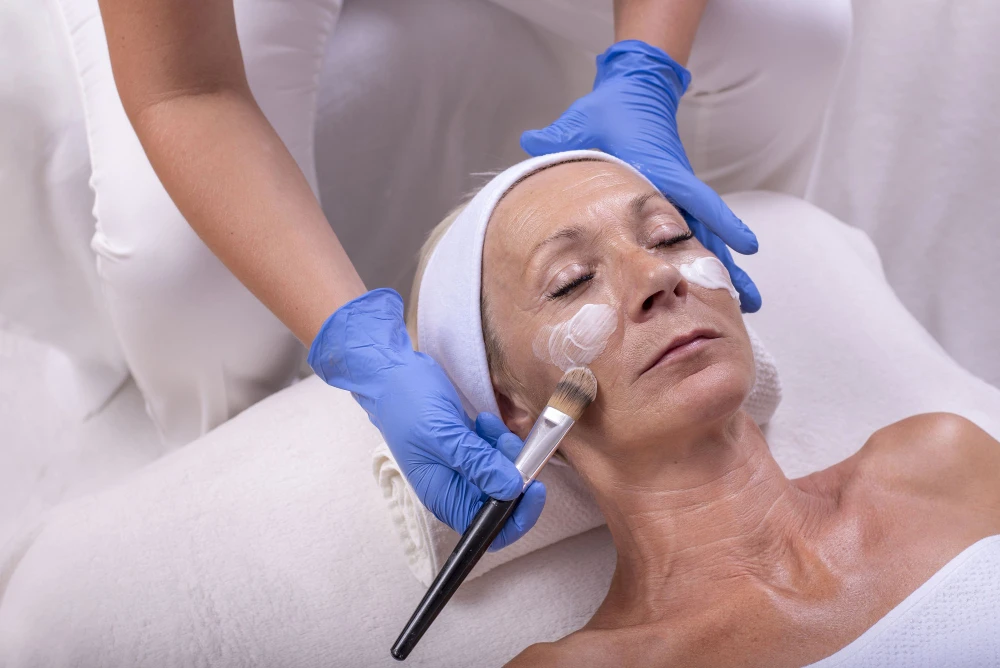

Aging is a natural process, but how your skin ages depends greatly on consistent care and professional treatments. Many people invest in facials yet feel unsure about how often they’re truly needed to see visible, lasting improvements. Understanding the right frequency can help you maximize results without overdoing it.
By the second or third session, an anti aging facial can begin to support collagen production, improve skin texture, and restore a youthful glow—when scheduled correctly and combined with proper home care.
What Is an Anti-Aging Facial?
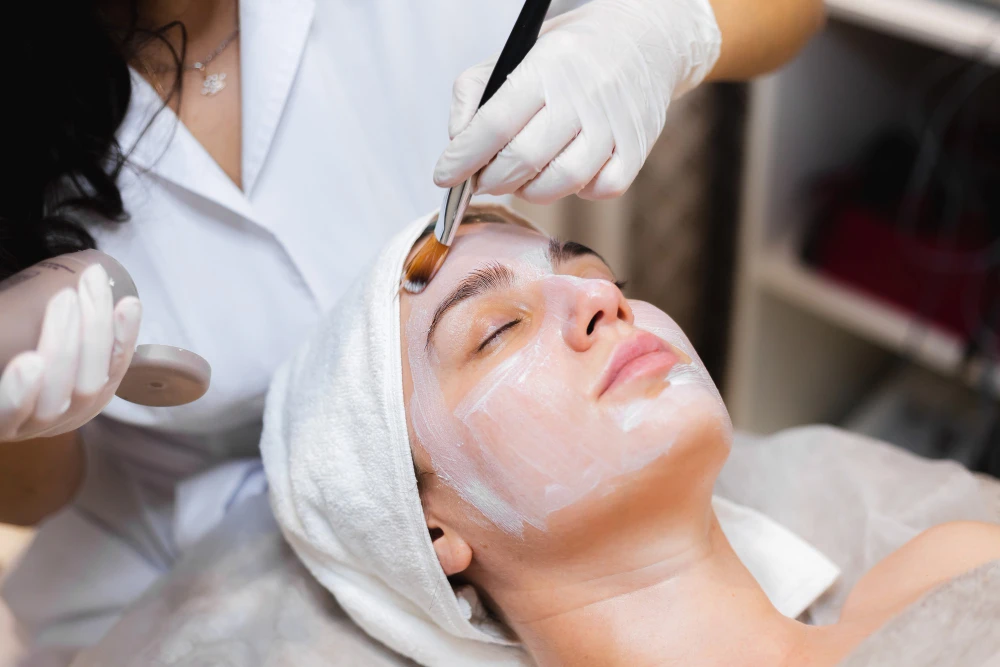
An anti-aging facial is a professional skincare treatment designed to reduce visible signs of aging such as fine lines, wrinkles, dullness, and loss of firmness. These facials often combine cleansing, exfoliation, targeted serums, masks, and massage techniques to stimulate skin renewal.
Common benefits include:
- Improved skin elasticity
- Brighter, more even complexion
- Reduced appearance of fine lines
- Enhanced hydration and firmness
Many dermatologists and estheticians, including those aligned with guidance from the American Academy of Dermatology, recommend regular professional treatments as part of a long-term skin health strategy.
How Often Should You Get Anti-Aging Facials?
The ideal frequency depends on your age, skin condition, and goals. However, general guidelines can help set expectations.
In Your 30s: Prevention & Maintenance
At this stage, facials focus on prevention and early correction.
- Recommended frequency: Every 4–6 weeks
- Helps maintain collagen levels
- Addresses early fine lines and dehydration
In Your 40s: Correction & Renewal
Skin cell turnover slows, and wrinkles become more visible.
- Recommended frequency: Every 3–4 weeks
- Supports skin renewal and firmness
- Targets pigmentation and texture changes
In Your 50s and Beyond: Repair & Support
Mature skin benefits from consistent stimulation and nourishment.
- Recommended frequency: Every 2–4 weeks
- Enhances circulation and elasticity
- Improves overall skin resilience
Factors That Influence Facial Frequency
Your personal schedule may vary based on several factors:
- Skin type: Sensitive or acne-prone skin may need customized spacing
- Lifestyle: Stress, sun exposure, and pollution accelerate aging
- Treatment type: Advanced facials (chemical peels, microcurrent) may require longer intervals
- Home skincare routine: Quality products can extend facial results
A licensed esthetician can tailor a plan based on these variables.
Signs You’re Getting Results
Consistency matters more than intensity. Over time, you may notice:
- Smoother skin texture
- Improved firmness and tone
- Reduced appearance of fine lines
- Healthier, more radiant complexion
These gradual improvements signal that your facial schedule is working.
Tips to Maximize Anti-Aging Facial Results
- Follow a daily skincare routine with sunscreen
- Stay hydrated and maintain a balanced diet
- Avoid smoking and excessive sun exposure
- Stick to a regular facial schedule
- Choose experienced skincare professionals
Wrapping Up
There’s no one-size-fits-all answer to how often you need anti-aging facials—but consistency is key. Whether you’re preventing early signs of aging or addressing mature skin concerns, regular treatments combined with expert guidance can deliver real, visible results. By committing to the right frequency and supporting your skin between sessions, you’ll enjoy healthier, younger-looking skin over time.
























Sign in to leave a comment.