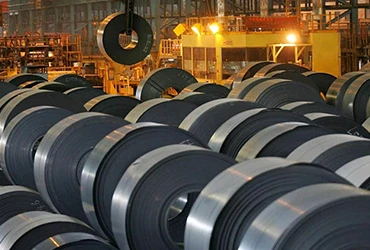

Sustainability is now a business necessity rather than just a trendy term in the rapidly changing world of modern manufacturing. Today's industries are motivated by the need to reduce their negative effects on the environment while upholding strict efficiency and quality standards. Hot Rolled Pickled and Oiled (HRPO) steel is one of the many materials that contribute to this change and is a viable and sustainable choice for producers in a variety of industries.
Understanding HRPO Steel
Hot rolled (HR) steel that has undergone an extra pickling and oiling procedure is the source of HRPO steel. Acid is applied to the steel surface during pickling in order to eliminate oxide and scale buildup from hot rolling. After that, a thin layer of oil is applied to stop it from rusting. In addition to improving the steel's surface finish, this process increases its workability and resistance to corrosion, which makes it perfect for producing parts that need to be precise and long-lasting.
Unlike cold rolled steel, which demands more energy-intensive processing, HRPO steel achieves a balance between performance and sustainability. It provides the desired surface quality without the excessive carbon footprint associated with additional cold reduction stages.
Lower Energy Consumption and Carbon Footprint
HRPO steel's energy-efficient manufacturing process is a major factor in its sustainability. HRPO steel omits a number of high-energy processes, including temper rolling and annealing, in contrast to cold rolled steel. Lower production-related greenhouse gas emissions are a direct result of this energy use reduction.
Additionally, manufacturers can meet desired specifications without using more energy-intensive processes because the pickling and oiling process enhances the hot rolled steel's surface finish. HRPO is a wise decision from an economic and environmental standpoint because of its efficiency, which also reduces production costs and conserves resources.
Extended Product Lifespan
Sustainability includes a product's longevity as well as its manufacturing process. Because of its clean surface and oil coating, HRPO steel has better corrosion resistance. By delaying oxidation, this protective layer makes sure the material keeps its integrity longer, even in harsh environments.
The use of HRPO steel lowers the frequency of replacements and maintenance in sectors like heavy machinery, construction, and automotive. A longer lifespan eventually results in a lower consumption of raw materials, which lowers material waste and leaves a smaller environmental impact.
Recyclability and Circular Economy Benefits
HRPO steel is among the most recycled materials in the world. Its mechanical qualities are retained when it is readily melted down and used again. The idea of a circular economy, in which materials are reused rather than thrown away, is supported by this high recyclability.
In addition to choosing a high-performing product, manufacturers who use HRPO steel are also supporting a more sustainable manufacturing ecosystem. Businesses can reduce landfill waste, preserve natural resources, and comply with international sustainability standards like ISO 14001 by integrating recyclable materials into their production cycles.
Improved Efficiency in Manufacturing Processes
The clean, smooth surface of HRPO steel facilitates handling during downstream processes like forming, welding, and cutting. Its decreased scale accumulation improves fabrication precision and guards against equipment wear. This results in more consistent output, fewer production errors, and less scrap generation, all of which improve manufacturing efficiency overall.
In modern manufacturing, where lean and green practices are increasingly valued, HRPO steel provides an ideal material that supports both process optimization and sustainability goals.
Supporting Sustainable Construction and Automotive Sectors
Two of the biggest steel consumers, the construction and automotive sectors, are constantly under pressure to lessen their environmental effect. These industries benefit greatly from HRPO steel's strength, adaptability, and recyclable nature, which complements energy-efficient car designs and green building techniques.
HRPO coils and sheets are utilized in construction for infrastructure, machinery, and framing where durability and resistance to corrosion are essential. Its formability and surface finish make it appropriate for parts in the automotive industry that require durability and precision without needless weight or environmental expense.
Conclusion
In contemporary manufacturing, HRPO steel is the ideal combination of sustainability, cost effectiveness, and performance. It is a material that not only satisfies industry demands but also promotes environmental responsibility due to its energy-efficient production process, long lifespan, recyclability, and ease of fabrication.
As manufacturers worldwide transition toward more sustainable operations, HRPO steel stands out as a smart choice for a greener future—a material that delivers strength to the present and sustainability to the next generation.




























Sign in to leave a comment.