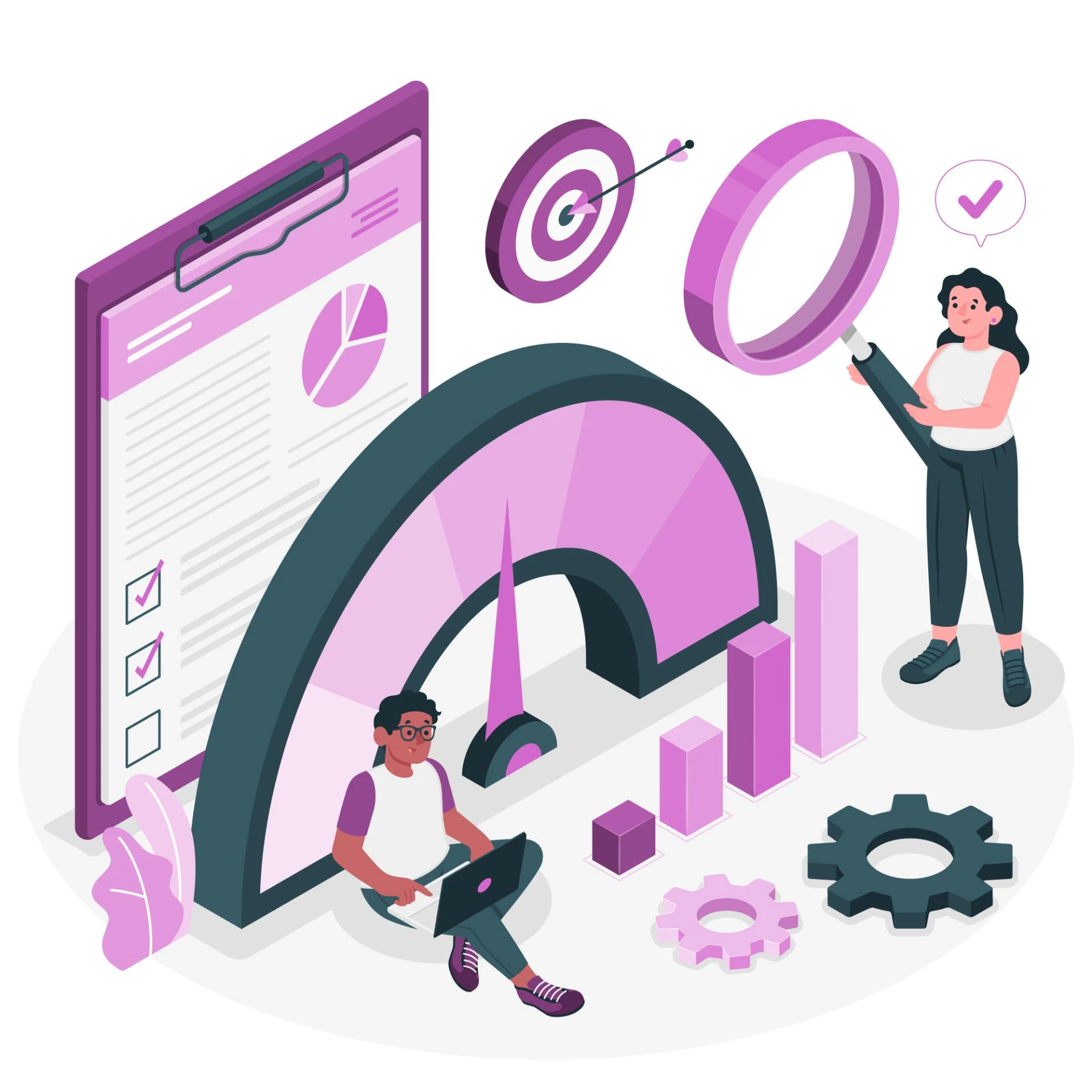

When it comes to boosting conversion rates and aligning sales and marketing, lead scoring has become a popular strategy across industries. Many of us have heard positive Customer Feedback who has used lead scoring to prioritize prospects and streamline their pipeline. Their experience suggests that assigning a numerical value to leads based on behavior, demographics, and engagement can truly optimize the sales journey. But the real question remains—is lead scoring suitable for all types of businesses?
Understanding Lead Scoring
Lead scoring is a methodology that ranks leads to determine their sales-readiness. The higher the score, the more likely the lead is to convert. This scoring system helps businesses focus their efforts on leads that are more likely to generate revenue. It takes into account various data points—website visits, email opens, social media activity, and even direct interactions.
From SaaS companies to eCommerce platforms, the adoption of lead scoring is growing fast. We’ve noticed how it brings structure and data-backed clarity to sales strategies. But while it offers clear benefits, it’s not a one-size-fits-all solution.
Where Lead Scoring Works Best
In industries where customer journeys are long and touchpoints are numerous—like tech, real estate, and B2B services—lead scoring works wonders. These businesses often deal with complex buying decisions and need a systematic way to differentiate high-value leads from casual browsers.
For example, in digital marketing agencies, we’ve seen lead scoring help teams identify which campaigns are attracting serious prospects versus those just driving traffic. Similarly, for enterprise-level software providers, the model helps pinpoint which companies are ready for a demo or proposal.
The Limitations We’ve Seen
That said, lead scoring doesn’t always translate well across all business types. For local, service-based businesses—such as salons, small repair shops, or restaurants—the sales cycle is typically short, and decision-making happens on the spot. In such scenarios, the need to score leads becomes less impactful.
Additionally, for startups or businesses with limited historical data, setting up a reliable lead scoring system can be tricky. We’ve encountered cases where inaccurate scoring models led to good leads being overlooked, simply because the right criteria weren’t in place.
So, while lead scoring can be valuable, we believe its success heavily depends on the nature of the business, the length of the customer journey, and the availability of data.
Hybrid Models and Adaptive Strategies
One promising trend we’ve seen is the use of hybrid lead scoring models. These combine traditional scoring with AI and machine learning to adjust in real-time. Such adaptive systems are proving especially helpful in eCommerce and DTC brands, where customer behavior shifts quickly.
By integrating these systems with CRM and marketing automation tools, businesses are able to not only score leads but also deliver personalized content that nurtures them over time. It’s a more fluid approach that works well for businesses operating in fast-paced environments.
Lead Scoring in BPO and Customer Satisfaction
In the Business Process Outsourcing (BPO) industry, lead scoring is slowly gaining ground—but the focus is shifting from pure sales to Customer Satisfaction in BPO. We’ve observed BPO firms using scoring models to evaluate the quality of inbound leads from client companies, allowing them to prioritize support resources accordingly. This ensures that high-value customers receive prompt and personalized attention, directly influencing CSAT (Customer Satisfaction Scores).
We believe this marks an exciting evolution. Rather than using lead scoring solely as a sales tool, BPOs are leveraging it to improve service quality, reduce churn, and maintain long-term client relationships. And from what we've seen in the field, customers do notice the difference—smoother communication, quicker resolutions, and a feeling of being genuinely valued.
Final Thoughts
So, is lead scoring suitable for all types of businesses? Not exactly—but for those that can harness it strategically, it’s an incredible asset. We encourage businesses to assess their customer journey, available data, and sales complexity before jumping in. Whether you’re looking to supercharge your sales pipeline or simply improve customer satisfaction, a well-thought-out scoring model could be the edge you need.





























Sign in to leave a comment.