

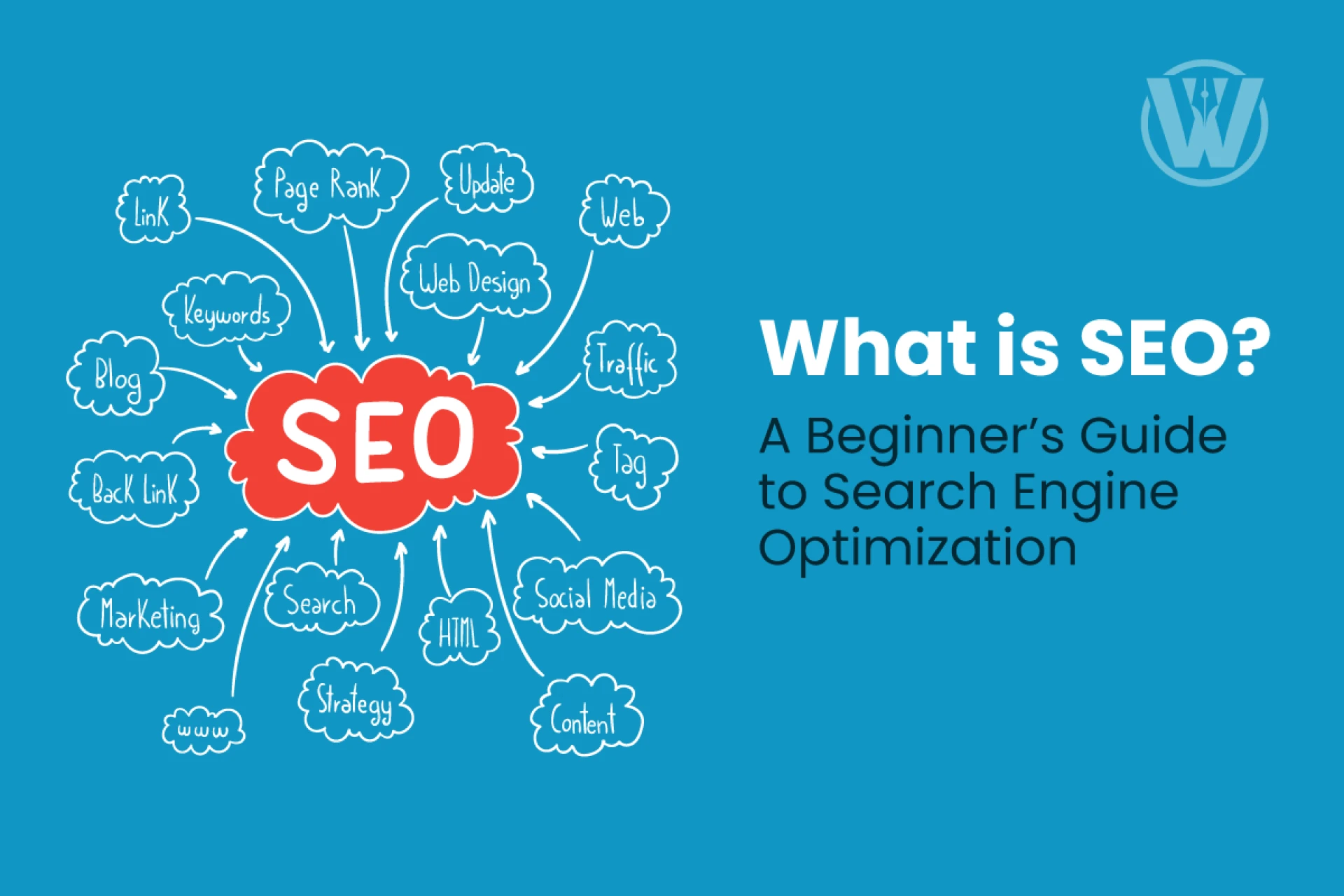
In the ever-evolving landscape of digital marketing, the relevance of link building to SEO is a topic that consistently sparks debate. Despite changes in algorithms and the emergence of new SEO tactics, link-building remains a cornerstone of search engine optimization. This article explores the current state of link-building, its importance, and best practices for leveraging link building services effectively.
Understanding Link Building
Link building involves acquiring hyperlinks from other websites to your own. A hyperlink, or simply a link, allows users to navigate between different pages on the internet. Search engines use these links to crawl the web and index pages. Essentially, a quality backlink from a reputable site acts as a vote of confidence, signaling to search engines that your content is valuable and authoritative.
The Evolution of Link Building
Early Days of Link Building
In the early days of SEO, link building was a straightforward process. Quantity often trumped quality, and websites could achieve high rankings by amassing many links, regardless of their source. This led to the proliferation of link farms and other black-hat SEO practices, where links were bought and sold without regard to content relevance or quality.
Algorithm Updates and Quality Focus
Search engines, particularly Google, quickly adapted to these manipulative tactics. With the introduction of algorithm updates like Penguin and Panda, the focus shifted from quantity to quality. These updates penalized sites engaged in spammy link-building practices and rewarded those with high-quality, relevant backlinks.
Why Link Building Is Still Relevant
Authority and Trustworthiness
Links from reputable sites serve as endorsements of your content. They indicate that other authorities in your niche find your content valuable, which helps establish your site’s credibility and trustworthiness. This is a critical factor in achieving higher search engine rankings.
Improved Visibility and Traffic
High-quality backlinks not only improve your search engine rankings but also drive referral traffic to your site. When authoritative sites link to your content, their audience is likely to click on those links, resulting in increased visibility and potential conversions.
Enhanced User Experience
Effective link building is not just about SEO; it’s also about enhancing the user experience. By linking to relevant, authoritative sources, you provide additional value to your readers, helping them find useful information and fostering a more engaging experience on your site.
Best Practices for Effective Link Building
Focus on Quality Over Quantity
In today’s SEO landscape, a few high-quality links are far more valuable than numerous low-quality ones. Prioritize links from authoritative, relevant sites over sheer numbers. High-quality links are more likely to pass on valuable link equity and positively impact your rankings.
Create Exceptional Content
Content is at the heart of any successful link-building strategy. Create exceptional, valuable content that others want to link to. This could be in the form of in-depth articles, research studies, infographics, or interactive tools. High-quality content naturally attracts links and establishes your site as a valuable resource.
Utilize SEO Link Building Services
Engaging professional seo link building services can be a game-changer. These services have the expertise, tools, and networks to secure high-quality backlinks for your site. By leveraging their knowledge and resources, you can focus on creating great content while they handle the outreach and link acquisition.
Build Relationships and Outreach
Relationship building is crucial for effective link building. Network with influencers, bloggers, and industry experts in your niche. Engage with their content, provide value, and collaborate on projects. Personalized outreach, where you highlight the mutual benefits of linking to your content, often yields better results than generic requests.
Guest Blogging and Content Partnerships
Guest blogging on reputable sites in your niche is a tried-and-true link-building strategy. By providing valuable content to other sites, you can earn backlinks to your own. Similarly, content partnerships, where you collaborate with other content creators, can result in mutually beneficial links and increased exposure.
Leverage Social Media and Online Communities
Social media and online communities are powerful tools for link building. Share your content on platforms like Twitter, LinkedIn, and industry-specific forums. Engaging with these communities not only drives traffic but also increases the likelihood of others linking to your content.
Monitor and Disavow Toxic Links
Not all backlinks are beneficial. Some can harm your site’s rankings if they come from spammy or low-quality sources. Regularly monitor your backlink profile using tools like Google Search Console and disavow any toxic links that could negatively impact your SEO.
Common Link Building Mistakes to Avoid
Relying on Black-Hat Techniques
While black-hat link-building techniques might offer short-term gains, they can lead to severe penalties in the long run. Avoid practices like buying links, participating in link farms, and using automated link-building tools. These methods are against search engine guidelines and can result in significant ranking drops.
Neglecting Relevance
Relevance is key in link building. Links from sites unrelated to your niche or content can appear unnatural and be disregarded by search engines. Focus on acquiring links from sites that are contextually relevant to your industry and audience.
Ignoring Anchor Text Diversity
Anchor text, the clickable text in a hyperlink, plays a crucial role in link building. Over-optimized anchor text with exact match keywords can trigger penalties. Ensure diversity in your anchor text by using variations, branded terms, and natural phrases.
Failing to Track and Analyze
Link building is not a set-it-and-forget-it strategy. Regularly track and analyze the performance of your link-building efforts. Use tools like Ahrefs, Moz, and SEMrush to monitor your backlink profile, identify new opportunities, and assess the impact on your rankings.
The Future of Link Building
Adaptation to AI and Machine Learning
As search engines become more sophisticated, incorporating AI and machine learning, the evaluation of backlinks will become more nuanced. These technologies can better understand the context, relevance, and quality of links, further emphasizing the importance of natural and valuable link-building practices.
Integration with Other SEO Strategies
Link building will continue to evolve and integrate with other SEO strategies. Content marketing, social media engagement, and user experience optimization will all play a role in a holistic approach to SEO. Building a strong online presence through diverse channels will enhance the effectiveness of your link-building efforts.
Emphasis on E-A-T (Expertise, Authoritativeness, Trustworthiness)
Google’s E-A-T guidelines highlight the importance of expertise, authoritativeness, and trustworthiness in content. Link building will increasingly focus on acquiring links from sites that demonstrate these qualities. Collaborating with recognized experts and authoritative sources will become essential for effective link-building.
Conclusion: Link Building Remains Vital
In conclusion, link building is still highly relevant to SEO. While the tactics and strategies have evolved, the fundamental principles remain the same. Quality, relevance, and natural link acquisition are more important than ever. By following best practices and leveraging seo link building services, you can enhance your site’s authority, visibility, and overall SEO performance.
In an increasingly competitive digital landscape, staying ahead requires continuous adaptation and a commitment to ethical, value-driven link-building strategies. Embrace the evolving nature of link building, and you’ll be well-positioned to achieve long-term success in your SEO efforts.





















Sign in to leave a comment.