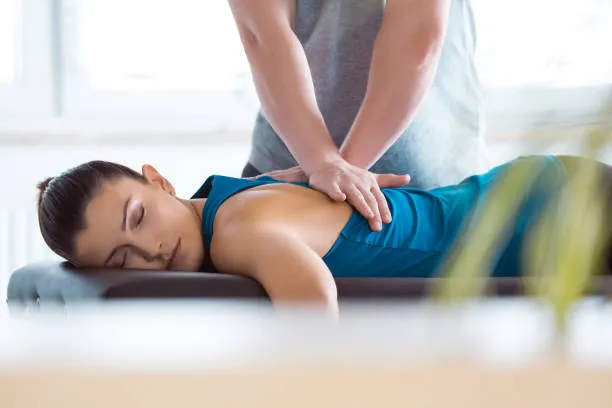

In today’s busy world, many people experience pain, muscle tension, or stress that interferes with their daily lives. From sitting at a desk for hours to intense physical activity, our bodies often carry the burden of our lifestyles. While traditional massage is often seen as a way to relax and unwind, medical massage is a more targeted approach that focuses on treating specific health issues.
Unlike regular massage, medical massage is designed to address conditions such as chronic pain, injuries, or limited mobility. It is used not just for comfort but as a therapeutic tool to help the body heal and function better. If you’ve been wondering whether medical massage could be helpful for you, this guide will explain everything you need to know. We’ll cover what it is, who it can help, how it works, and what to expect during a session.
What Is Medical Massage?
Medical massage is a type of therapy that focuses on treating specific physical problems rather than only providing relaxation. It combines different massage techniques to target muscles, connective tissue, and circulation in areas that need the most attention.
A trained medical massage therapist will assess your body, review your health history, and develop a treatment plan that addresses the root cause of your pain or discomfort. This makes it different from traditional massage, which is usually more generalized and aimed at promoting relaxation or temporary relief from tension.
How Medical Massage Is Different from Regular Massage
While both medical massage and regular massage involve manipulating muscles and soft tissues, medical massage is more precise and structured. The key differences include:
- Assessment and Planning: Medical massage therapists start with a detailed evaluation of your condition. This includes understanding your medical history, current issues, and specific goals.
- Targeted Techniques: Medical massage may use methods such as deep tissue work, trigger point therapy, myofascial release, and stretching specifically chosen to address your problem areas.
- Ongoing Monitoring: Unlike a typical massage, medical massage often follows a treatment plan. Progress is monitored over multiple sessions to ensure improvement and adjust techniques if needed.
- Collaboration with Healthcare Providers: Medical massage may be part of a larger healthcare plan, used alongside physical therapy, chiropractic care, or rehabilitation programs.
Benefits of Medical Massage
Medical massage offers a wide range of benefits beyond relaxation. Here are some of the most important ones:
Pain Relief
Chronic pain, whether from back problems, arthritis, or injuries, can significantly impact your life. Medical massage focuses on relieving pain by reducing muscle tension, improving blood flow, and addressing inflammation in the affected areas.
Improved Mobility
Medical massage can help release tight muscles and improve flexibility, making it easier to move freely. This is especially helpful for those recovering from injuries, surgery, or who experience stiffness due to age or lifestyle habits.
Better Circulation
Massaging muscles and tissues enhances blood flow, which brings more oxygen and nutrients to the areas that need them. Better circulation helps with healing, reduces swelling, and can even improve overall energy levels.
Stress Relief
While medical massage is more focused on healing than relaxation, it can still help reduce stress and promote a sense of well-being. Releasing tension from muscles also helps calm the nervous system, which can be beneficial for both physical and mental health.
Faster Recovery
For athletes or anyone recovering from an injury, medical massage can support faster healing by reducing scar tissue, improving muscle function, and preventing further injury.
Who Can Benefit from Medical Massage?
Medical massage is suitable for almost anyone, but it is particularly helpful for people dealing with:
- Chronic pain such as lower back pain, neck pain, or arthritis
- Muscle injuries or repetitive strain issues
- Post-surgical recovery
- Limited mobility or stiffness due to aging
- Circulation problems or swelling
It’s important to note that medical massage may not be suitable for everyone. People with certain medical conditions, like severe osteoporosis, open wounds, or some heart problems, should consult a healthcare provider before starting therapy.
Common Techniques Used in Medical Massage
Medical massage combines a variety of techniques depending on your needs:
- Deep Tissue Massage: Focuses on the deeper layers of muscles and connective tissue to relieve chronic tension and pain.
- Trigger Point Therapy: Involves pressing on specific points in muscles that cause pain in other areas to release tension.
- Myofascial Release: Targets the connective tissue surrounding muscles to improve flexibility and reduce discomfort.
- Sports Massage: Used to prevent injuries, relieve soreness, and support recovery for active individuals.
- Swedish Massage: Sometimes included for gentle relaxation and to enhance circulation, complementing other techniques.
Conditions Medical Massage Can Treat
Medical massage can address a variety of health concerns, including:
- Back and Neck Pain: Helps release tension caused by poor posture, injury, or chronic strain.
- Headaches and Migraines: Reduces muscle tension in the neck and shoulders that can trigger headaches.
- Arthritis: Improves joint movement and reduces stiffness in affected areas.
- Sports Injuries: Supports healing from sprains, strains, and overuse injuries.
- Carpal Tunnel Syndrome: Relieves nerve compression and associated symptoms.
- Post-Surgical Recovery: Supports healing and prevents scar tissue from forming.
What to Expect During a Medical Massage Session
A medical massage session usually begins with a detailed discussion of your health history, current issues, and goals. Your therapist may perform a physical assessment to check posture, muscle tension, and flexibility.
During the session, your therapist will use targeted techniques to address your specific concerns. Sessions can range from 30 minutes to 90 minutes, depending on your needs. After the massage, you may receive advice on stretches, exercises, or lifestyle changes to maintain the benefits and support your recovery.
How to Choose the Right Medical Massage Therapist
Selecting the right therapist is essential for a successful outcome. Consider the following:
- Training and Credentials: Ensure the therapist has specialized training in medical massage and knowledge of anatomy and medical conditions.
- Experience: Choose a therapist experienced in treating your specific condition.
- Referrals: Ask your doctor or healthcare provider for recommendations.
- Comfort and Communication: You should feel at ease discussing your pain and concerns openly.
Making the Most of Your Medical Massage
To get the best results, it’s important to communicate with your therapist about your needs and follow any recommended exercises or stretches. Staying hydrated, maintaining good posture, and practicing healthy habits will also help support the benefits of medical massage. Regular sessions, when recommended, can lead to long-term improvement in mobility, pain reduction, and overall well-being.
Potential Risks and Considerations
Medical massage is generally safe, but there are a few things to keep in mind:
- Some conditions, like severe osteoporosis or certain heart problems, require medical clearance before massage.
- Deep tissue or intense sessions can cause temporary soreness or fatigue.
- Allergies to oils or lotions used during massage should be discussed beforehand.
By sharing your health history and being honest about your discomfort, most risks can be avoided.
Conclusion
Medical massage offers a practical and effective way to manage pain, improve mobility, and support overall health. Unlike traditional massage, it focuses on specific conditions and works as part of a broader approach to healing. Whether you are dealing with chronic pain, recovering from surgery, or looking to prevent injuries, medical massage can be a valuable tool to improve your quality of life.
For those considering medical massage, it can be helpful to consult a qualified professional who can create a tailored plan based on your needs. If you’re looking for a trusted place to begin your journey with medical massage, visit SF Custom Chiropractic. Their team can guide you with personalized care and effective treatment strategies.
Taking the step toward medical massage could mean less pain, greater flexibility, and a healthier, more comfortable life.

























Sign in to leave a comment.