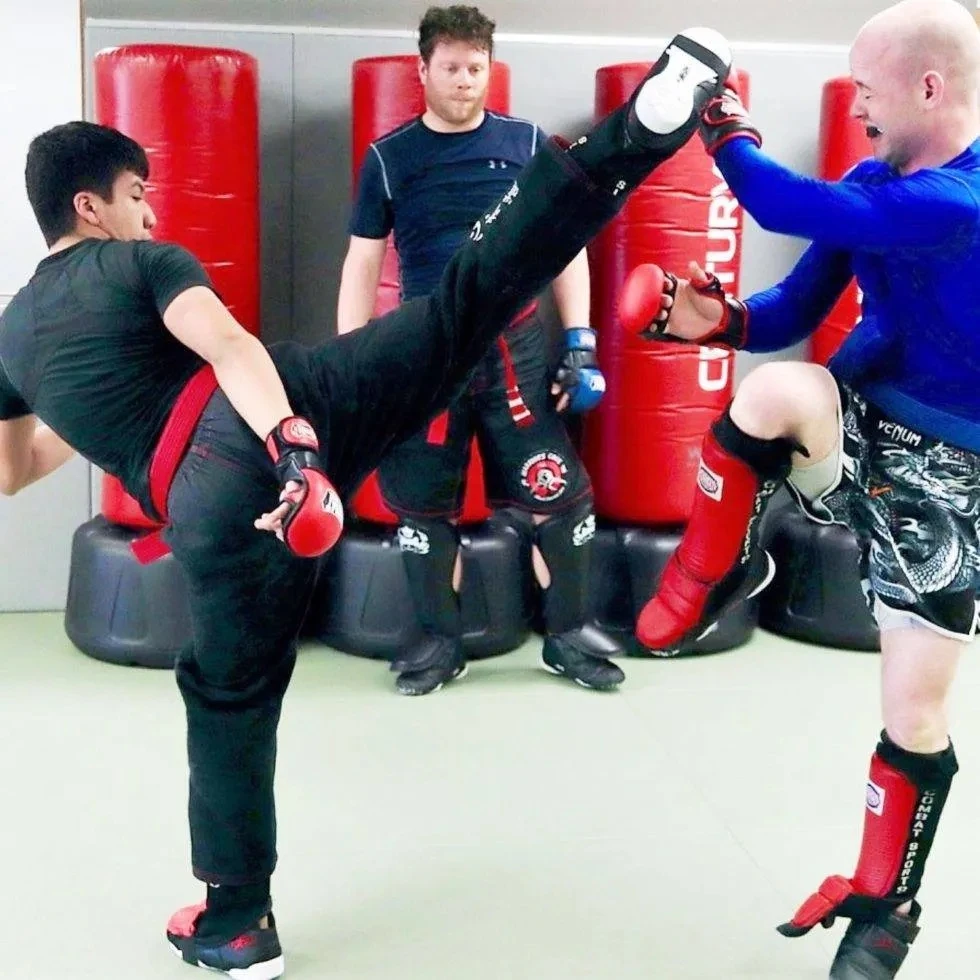

Yes, mixed martial arts can be safe for kids when taught in a structured, age-appropriate environment by qualified instructors. Modern mixed martial arts training for children focuses more on discipline, confidence, movement, coordination, and self-defense—not full-contact fighting. The right school prioritizes safety, technique, and controlled drills over aggression or competition.
Are Mixed Martial Arts Classes Safe for Kids?
One of the biggest concerns parents have about MMA is the perceived risk of injuries. But here’s the truth: properly supervised mixed martial arts training is often safer than many mainstream sports like football, soccer, or hockey.
Kids’ MMA is not the same as the professional MMA seen on TV. In children’s programs, instructors emphasize:
- Fundamental movement skills
- Body control & coordination
- Non-contact drills
- Respect & self-discipline
- Safe grappling and balance-based techniques
- Problem-solving and emotional control
The result is a structured, safe training environment where kids learn, grow, and develop—not fight for knockouts.
How MMA Training Benefits Children
1. Confidence & Self-Esteem
Kids develop confidence as they learn skills, overcome challenges, and earn achievements like stripes or belts.
2. Discipline & Behavior Improvement
MMA classes teach respect, focus, listening, and self-control—traits that help kids at home and school.
3. Improved Fitness & Coordination
Mixed martial arts training improves:
- Balance
- Strength
- Flexibility
- Motor skills
- Posture
- Cardio
All without forcing kids to compete.
4. Bully Prevention & Self-Defense
MMA teaches children how to stay calm under pressure, escape grabs, control distance, and protect themselves safely and responsibly—not to hurt others.
5. Social Skills & Teamwork
Kids train together, help each other progress, and form positive friendships outside of school.
What Makes MMA Safe for Children?
Parents should look for programs that include:
- Certified instructors with experience teaching children
- A structured curriculum with no unsupervised sparring
- Padded mats, proper gear & protective equipment
- Controlled drills, not free fighting
- NO head strikes for children
- Emphasis on technique over power
- Respect-first training culture
Most reputable academies follow guidelines similar to traditional martial arts schools—just with a modern curriculum.
Common Safety Myths About Kids and MMA
Myth Truth “MMA is too violent for kids” Kids’ MMA is technique-based, not violent “Children will become aggressive” Training actually improves emotional regulation “It’s dangerous like UFC” Kids do not train like professional fighters “It encourages street fighting” Students are taught respect, self-control & anti-bullying
How Young Can Kids Start MMA Training?
Most academies accept children starting from 4–6 years old, with age-specific classes for:
- Little kids (4–7)
- Juniors (8–12)
- Teens (13–17)
Programs for young children are usually closer to movement & martial arts games than combat drills.
What Should Parents Look For When Choosing MMA Classes?
Before enrolling your child, ask:
- Do instructors have child-safety training?
- Is sparring optional and supervised?
- Are techniques age-appropriate?
- Is the environment positive and respectful?
- Do they emphasize personal development, not fighting?
If the school can answer “yes” to all of these, it’s likely a safe and beneficial choice.
FAQs:
Will my child get hurt?
Minor bumps are possible, but serious injuries are rare in properly supervised classes.
Is MMA too intense for shy or sensitive kids?
No—many shy kids thrive in MMA because it builds confidence gently.
Is MMA good for kids with ADHD or low focus?
Yes. The structure, movement, and discipline help many children improve concentration.
Does my child need to compete?
Not at all. Most kids train for confidence, fitness, and fun—not competition.
Final Thought
Mixed martial arts training can be one of the best activities for children—if taught correctly. It builds confidence, discipline, strength, and life skills in a safe, structured environment. With the right instructors and program, MMA becomes a positive force for kids, not a dangerous one.


























Sign in to leave a comment.