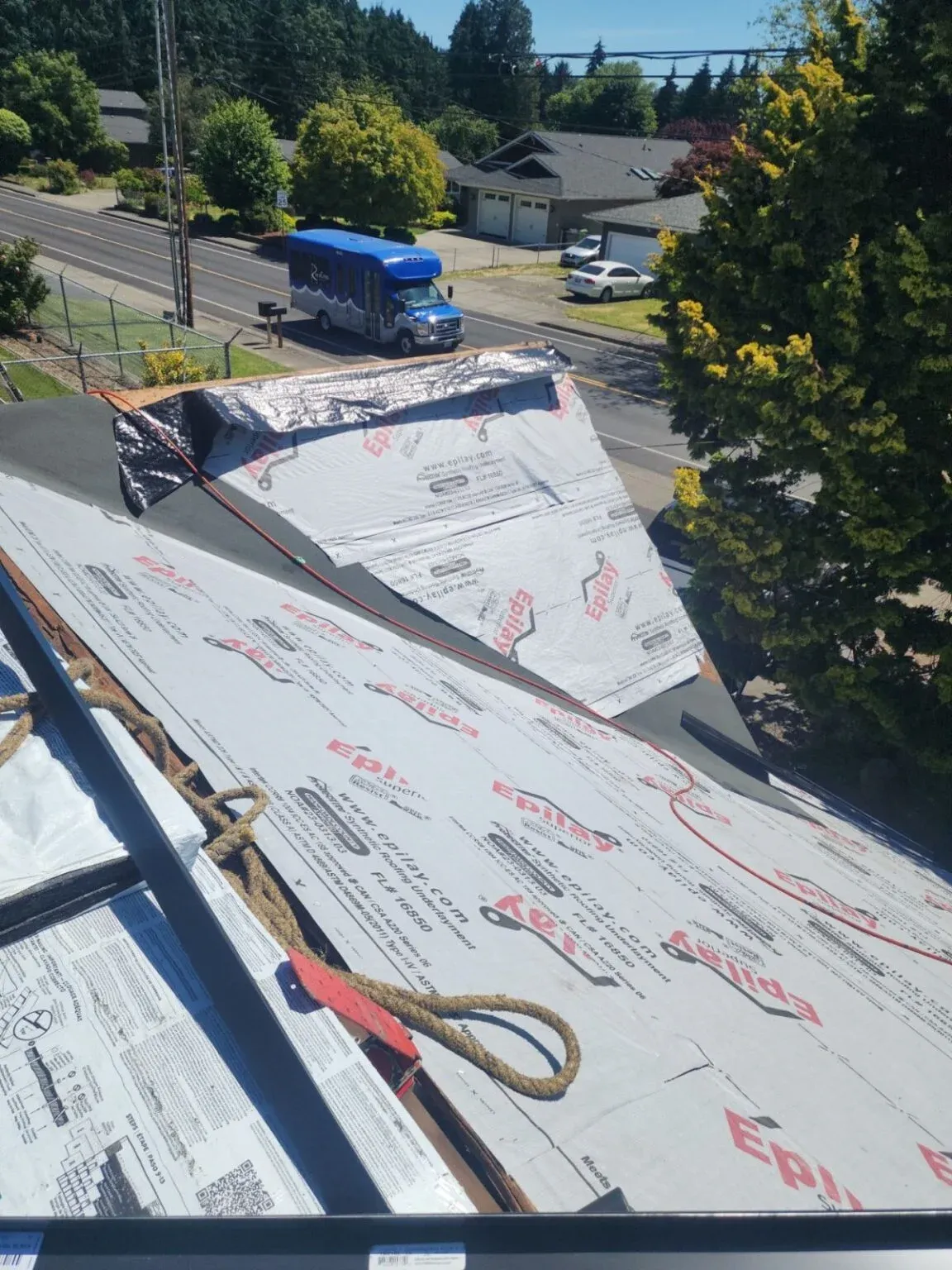

Your roof protects everything beneath it, yet it's often one of the last parts of a home people think about until a leak appears or shingles start blowing into the yard. At that point, one question usually comes up:
Should you repair the roof or replace it entirely?
The answer depends on much more than the visible damage. A roof that looks worn from the ground may still have years of service left, while one small leak could be a symptom of widespread structural deterioration.
Making the right decision requires understanding your roof's condition, age, materials, repair history, and the weather challenges common in your area. This guide explains how roofing professionals evaluate roofs, when roof repairs make financial sense, and when investing in a replacement provides better long-term value.
The First Step: Identify the Real Cause of the Problem
Many homeowners assume a leak automatically means they need a new roof. In reality, roof leaks can originate from several different areas.
Common causes include:
- Missing or damaged shingles
- Cracked flashing around chimneys and vents
- Loose ridge caps
- Nail pops
- Damaged pipe boots
- Ice dam damage
- Wind-lifted roofing materials
- Clogged valleys causing water backup
An experienced roofing contractor doesn't simply patch the visible leak. They trace moisture to its source, inspect the attic, evaluate ventilation, and determine whether the problem is isolated or part of a larger system failure.
Proper diagnosis often prevents unnecessary roof replacement.
When Roof Repair Is Usually Worth It
Roof repairs remain the smartest financial option when the roofing system is fundamentally healthy.
Repairs are often recommended when:
The Roof Is Less Than 12–15 Years Old
Modern asphalt roofing systems typically last several decades when properly maintained. If your roof is relatively young, localized damage can often be repaired without affecting overall performance.
Damage Is Limited to One Area
A few missing shingles after a windstorm or flashing damaged around a skylight rarely requires replacing the entire roof.
Professional repairs restore waterproofing while preserving the remaining roofing materials.
Storm Damage Is Minor
Heavy rain, hail, or strong winds can damage only certain sections.
Common repairable storm issues include:
- Lifted shingles
- Small punctures
- Damaged flashing
- Minor ridge cap damage
- Fallen tree limb impact affecting a limited area
Addressing these problems quickly helps prevent moisture from reaching decking and insulation.
The Roof Deck Is Still Structurally Sound
If the plywood or OSB beneath the roofing materials remains dry and solid, repairs usually provide excellent value.
Replacing damaged roofing components while preserving the existing deck significantly reduces project costs.
Signs That Roof Replacement Makes More Sense
Eventually, repairs become temporary solutions rather than long-term investments.
Roof replacement becomes the better option when multiple warning signs appear.
Your Roof Has Reached the End of Its Service Life
Every roofing material has an expected lifespan.
Although maintenance can extend performance, aging roofing systems gradually lose their ability to protect against moisture intrusion, UV exposure, and temperature changes.
If your roof is approaching the manufacturer's expected lifespan and requires repeated repairs, replacement often becomes more cost-effective.
Repairs Keep Adding Up
One repair every several years is normal.
Three or four repairs within a short period often indicate the roofing system is deteriorating as a whole.
Instead of spending money repeatedly on isolated fixes, replacing the roof may reduce long-term ownership costs while improving reliability.
Widespread Shingle Deterioration
Warning signs include:
- Curling shingles
- Extensive cracking
- Missing granules
- Bald spots
- Brittle edges
- Large sections of missing shingles
These symptoms indicate weathering throughout the roofing system rather than isolated damage.
Water Damage Extends Beyond the Surface
Moisture that reaches insulation, decking, rafters, or ceilings can create much larger issues than a simple roof leak.
Long-term water intrusion may lead to:
- Mold growth
- Wood rot
- Reduced insulation performance
- Interior ceiling damage
- Structural weakening
When damage extends beneath the roofing materials, replacement often provides the safest and most durable solution.
How Climate Affects the Decision
Roofing decisions vary significantly depending on regional weather conditions.
For example:
Coastal Areas
Salt exposure, strong winds, and heavy moisture accelerate roofing wear, particularly around flashing and fasteners.
Mountain Regions
Snow loads, ice dams, and repeated freeze-thaw cycles place additional stress on roofing materials.
Hot, Sunny Climates
Continuous UV exposure causes shingles to dry out faster, reducing flexibility and shortening lifespan.
Rainy Pacific Northwest Conditions
Frequent rainfall, moss growth, and moisture accumulation require regular inspections to prevent small issues from becoming major repairs.
Understanding local climate conditions helps roofing professionals recommend solutions appropriate for your region instead of relying solely on age.
Questions Roofing Professionals Ask During an Inspection
Experienced contractors rarely recommend repair or replacement based on one issue alone.
Instead, they evaluate several factors, including:
- Roof age
- Previous repair history
- Ventilation performance
- Deck condition
- Moisture intrusion
- Flashing integrity
- Number of damaged shingles
- Attic humidity
- Signs of structural movement
- Drainage performance
This whole-system approach provides homeowners with a clearer understanding of remaining roof life.
Comparing Long-Term Costs
Many homeowners focus only on today's repair estimate.
A better approach considers total ownership costs over the next 10 to 20 years.
For example:
Repair may cost less today, but if multiple repairs are expected over the next few years, those expenses can exceed the value of replacing the roof.
On the other hand, replacing a roof prematurely wastes materials that still have useful life remaining.
A qualified roofing inspection helps balance immediate costs with long-term savings.
Can Roof Repairs Extend Roof Life?
Yes, when performed at the right time.
Routine roof maintenance and prompt repairs can significantly extend the service life of many roofing systems.
Examples include:
- Replacing damaged shingles
- Resealing flashing
- Cleaning roof valleys
- Improving attic ventilation
- Removing moss buildup
- Repairing pipe boot deterioration
Small maintenance investments often prevent major structural repairs later.
Red Flags Homeowners Should Never Ignore
Schedule a professional roof inspection if you notice:
- Water stains on ceilings
- Damp attic insulation
- Sunlight visible through attic boards
- Missing shingles after storms
- Sagging roof sections
- Persistent mold growth
- Loose flashing
- Granules collecting in gutters
- Rising indoor humidity without explanation
These warning signs often indicate developing roof problems that worsen over time.
Should You Repair Before Selling Your Home?
This depends on the roof's overall condition.
If the roof has minor cosmetic damage but remains structurally sound, targeted repairs may be enough to satisfy buyers and home inspectors.
However, an aging roof nearing the end of its lifespan may become a negotiation point during the sale.
Replacing the roof beforehand can improve buyer confidence and reduce delays during the inspection process, particularly in competitive real estate markets.
The Value of Professional Roof Inspections
Many roofing issues remain invisible from the ground.
Professional inspections identify:
- Hidden moisture
- Flashing failures
- Soft decking
- Ventilation deficiencies
- Drainage problems
- Early material deterioration
This allows homeowners to make informed decisions before minor issues become expensive structural repairs.
Annual inspections are especially valuable after severe storms or seasonal weather changes.
Frequently Asked Questions
Is it cheaper to repair or replace a roof?
Repairs are generally less expensive when damage is isolated and the roof is still in good overall condition. Replacement becomes more economical when repairs become frequent or the roofing system has reached the end of its expected lifespan.
How do I know if my roof is too old to repair?
A professional inspection can determine whether the roofing materials, decking, and ventilation still provide reliable protection. Age alone doesn't always require replacement, but extensive wear combined with repeated repairs usually signals it's time for a new roof.
Can one roof leak require full replacement?
Not always. Many leaks result from damaged flashing, missing shingles, or failed seals. However, widespread moisture damage beneath the roofing system may justify replacement.
How often should a roof be inspected?
Most roofing professionals recommend inspections at least once each year and after significant storms, high winds, hail, or heavy snowfall.
Will replacing my roof increase property value?
A new roof often improves curb appeal, buyer confidence, energy efficiency, and overall marketability, especially if the existing roof shows obvious signs of aging.
Final Thoughts
Choosing between roof repair and roof replacement isn't simply about fixing today's leak. It's about understanding the condition of the entire roofing system, evaluating future repair costs, and considering how local weather affects long-term performance.
A thorough inspection by an experienced roofing professional provides the information needed to make a confident decision. In many cases, timely repairs can extend a roof's lifespan for years. In others, replacing an aging roof before major structural damage develops can save significant money and prevent future headaches.
The best decision is the one based on evidence rather than assumptions. With the right assessment and proactive maintenance, homeowners can protect both their property and their investment for years to come.






















Sign in to leave a comment.