

Commercial roofing is one of the most overlooked parts of a business property until leaks, energy loss, or structural concerns start affecting operations. Unlike residential roofing, commercial roofing systems deal with larger surface areas, complex drainage patterns, HVAC penetrations, insulation performance, and long-term maintenance demands. That means even small issues can become costly if they are ignored too long.
For property owners, facility managers, developers, and business operators, understanding how commercial roofing systems actually perform over time helps prevent emergency repairs, tenant complaints, and unnecessary replacement costs.
Why Commercial Roofing Requires a Different Approach
Commercial roofs are engineered differently than residential systems. Most commercial buildings use low-slope or flat roofing systems designed for water drainage, equipment support, and long-term durability under changing weather conditions.
Common commercial roofing systems include:
- TPO roofing
- EPDM rubber roofing
- PVC roofing
- Modified bitumen systems
- Built-up roofing
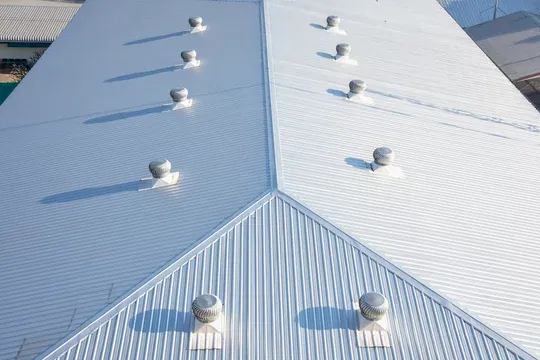
- Metal roofing systems
- Roof coatings and restoration systems
Each system performs differently depending on climate, building use, foot traffic, insulation requirements, and exposure to sunlight or moisture.
For example, buildings in areas with heavy rainfall often experience drainage-related wear much faster than structures in dry climates. In regions with extreme summer heat, roofing membranes may expand and contract daily, causing seams and flashing to weaken over time.
That is why experienced commercial roofing contractors rarely recommend a one-size-fits-all solution.
The Most Common Commercial Roofing Problems
Many roofing failures begin with small warning signs that are easy to miss during normal business operations. By the time water enters the building, the damage underneath may already be extensive.
Ponding Water
Flat and low-slope roofs are especially vulnerable to standing water. Poor drainage can slowly deteriorate roofing membranes, weaken seams, and increase leak risks.
Signs include:
- Water remaining on the roof more than 48 hours after rain
- Discoloration around drains
- Soft spots near low areas
- Algae or vegetation growth
Ponding water is also one of the leading causes of premature roof aging on commercial buildings.
Flashing Failures
Roof flashing protects vulnerable areas around vents, HVAC units, skylights, and wall transitions. Flashing damage often develops because of thermal movement, poor installation, or aging sealants.
Small flashing gaps can allow moisture into insulation layers long before visible leaks appear inside the building.
Membrane Shrinkage and Cracking
Older roofing systems, especially EPDM and modified bitumen roofs, may shrink or crack over time due to UV exposure and temperature fluctuations.
This is particularly common in areas with:
- Intense summer heat
- Freeze-thaw cycles
- High wind exposure
- Large temperature swings between day and night
Poor Roof Maintenance
One of the biggest issues in commercial roofing is deferred maintenance. Many building owners wait until active leaks occur before scheduling inspections.
In reality, preventative maintenance often extends roof life significantly and reduces long-term repair costs.
How Weather Impacts Commercial Roof Performance
Commercial roofing systems are constantly exposed to environmental stress. Weather patterns play a major role in how quickly roofing materials deteriorate.
Heavy Rain and Moisture
Persistent moisture can:
- Saturate insulation
- Damage decking materials
- Cause mold growth
- Increase structural deterioration
- Weaken adhesives and seams
Buildings in rainy regions typically require more frequent drainage inspections and membrane evaluations.
Wind Damage
Strong winds can lift roofing edges, loosen flashing, and create pressure points around rooftop equipment.
After major storms, commercial properties should always schedule roof inspections, even if there are no visible leaks.
UV Exposure
Constant sun exposure gradually breaks down roofing membranes and protective coatings. UV damage is especially aggressive on older roofs without reflective coatings.
Snow and Freeze-Thaw Cycles
In colder climates, ice expansion can widen small cracks and compromise flashing systems. Snow accumulation also places additional weight stress on roofing structures.
Signs a Commercial Roof May Need Replacement
Not every roofing issue requires a full replacement. However, there are situations where ongoing repairs become less cost-effective than installing a new system.
Common indicators include:
- Repeated leaks in multiple areas
- Rising energy bills
- Extensive membrane blistering
- Wet insulation detected during inspections
- Roof age exceeding manufacturer expectations
- Frequent patch repairs
- Structural moisture damage
A professional commercial roof inspection typically includes moisture scanning, membrane evaluation, drainage analysis, and flashing assessment to determine whether restoration or replacement makes more sense financially.
Roof Repair vs Roof Restoration vs Roof Replacement
Property owners often assume replacement is the only option, but many commercial roofing systems can be restored successfully when addressed early.
Roof Repair
Best for:
- Isolated leaks
- Minor flashing issues
- Small punctures
- Localized storm damage
Repairs are usually the most affordable short-term solution when the roof is still structurally sound.
Roof Restoration
Restoration involves extending the life of an existing roof using coatings, seam reinforcement, and targeted repairs.
This option can:
- Improve energy efficiency
- Reduce UV damage
- Extend roof lifespan
- Lower maintenance costs
Roof restoration is commonly used on aging TPO, metal, and modified bitumen systems.
Full Roof Replacement
Replacement becomes necessary when underlying materials, insulation, or decking have sustained extensive deterioration.
Although replacement costs are higher initially, modern systems often deliver:
- Better insulation performance
- Lower operating costs
- Improved weather resistance
- Longer warranties
Why Commercial Roof Inspections Matter
Routine inspections help identify small issues before they turn into operational disruptions.
A professional inspection often includes:
- Drainage evaluation
- Membrane condition analysis
- Flashing inspection
- Moisture detection
- Structural assessment
- Rooftop equipment review
Many experienced contractors recommend inspections:
- Twice per year
- After severe storms
- Before property transactions
- Before warranty renewals
Inspection documentation is also valuable for insurance claims and long-term asset management planning.
Energy Efficiency and Commercial Roofing
Modern commercial roofing systems now play a major role in building energy performance.
Reflective roofing materials and insulation upgrades can help:
- Reduce cooling costs
- Improve indoor comfort
- Lower HVAC strain
- Support sustainability goals
- Improve building efficiency ratings
Cool roofing systems are especially effective in warmer climates where rooftop heat absorption increases indoor temperatures significantly.
For warehouses, retail centers, medical facilities, and office buildings, energy-efficient roofing can produce measurable long-term savings.
Choosing the Right Commercial Roofing Contractor
Commercial roofing projects involve far more than material installation. Proper design, drainage planning, code compliance, safety protocols, and long-term maintenance all influence roof performance.
Before hiring a contractor, property owners should verify:
- Commercial roofing experience
- Licensing and insurance
- Manufacturer certifications
- Safety procedures
- Inspection process
- Warranty coverage
- Experience with similar building types
Experienced roofing contractors typically provide detailed roof assessments rather than immediate replacement recommendations.
Long-Term Roofing Decisions Save Money
One of the biggest misconceptions in commercial roofing is that postponing repairs saves money. In reality, delayed maintenance often leads to:
- Interior water damage
- Mold remediation
- Insulation replacement
- Structural deterioration
- Business interruptions
- Higher emergency repair costs
A proactive roofing strategy usually costs far less over the life of the building.
Commercial roofing should be viewed as a long-term building asset, not simply an emergency expense. When inspections, maintenance, and repairs are handled early, property owners often gain years of additional performance from their roofing systems while avoiding major operational disruptions.
Conclusion
Commercial roofing is an essential part of protecting any business property from weather damage, energy loss, and costly structural issues. Regular inspections, preventative maintenance, and timely repairs help extend the life of the roofing system while reducing the risk of unexpected leaks and expensive emergency repairs. A well-maintained roof also improves energy efficiency and supports the overall value of the property.
Choosing the right commercial roofing solution and working with experienced professionals can make a significant difference in long-term performance. Whether a building needs repairs, restoration, or full replacement, making informed decisions early helps property owners avoid larger problems in the future and maintain a safe, reliable environment for daily operations.





















Sign in to leave a comment.