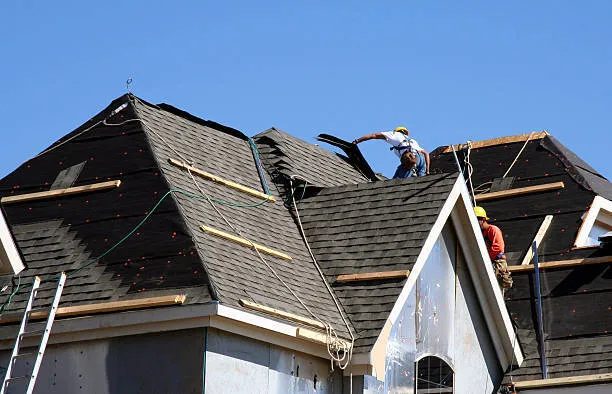

A new roof is expected to provide years of dependable protection, so discovering a leak, damaged flashing, or another problem shortly after construction can be frustrating. However, a newly constructed roof is not automatically immune to repair needs. Problems can develop because of installation mistakes, material movement, severe weather, incomplete detailing, or issues with the underlying roof structure.
For property owners researching new roof construction in Corvallis, OR, understanding why these problems occur can make it easier to recognize warning signs and decide when professional roof repair is appropriate.
A roof that needs attention soon after construction does not always mean the entire installation was poorly done. In many cases, a relatively small defect can create a significant problem if it is not identified early.
Can a New Roof Really Need Repairs?
Yes. Even a recently installed roof can require repairs.
Roofing systems contain many interconnected components, including shingles or other roofing materials, underlayment, flashing, vents, penetrations, drainage features, fasteners, and edge details. A problem in one area can affect another part of the system.
For example, a small opening around a plumbing vent may allow water to enter the roof assembly. The visible stain inside the building could appear several feet away from the actual entry point.
This is one reason experienced roofing professionals do more than look for the location of an interior leak. They trace moisture back through the roofing system to identify the source.
1. Installation Errors Can Cause Early Problems
One of the most common reasons a new roof may require repair is improper installation.
Roofing materials have specific installation requirements. Fasteners need to be positioned correctly, flashing must be integrated properly, and drainage paths must remain clear. Even high-quality roofing products can perform poorly when installation details are overlooked.
Common installation-related problems include:
- Improperly placed or insufficient fasteners
- Incorrect flashing installation
- Poorly sealed roof penetrations
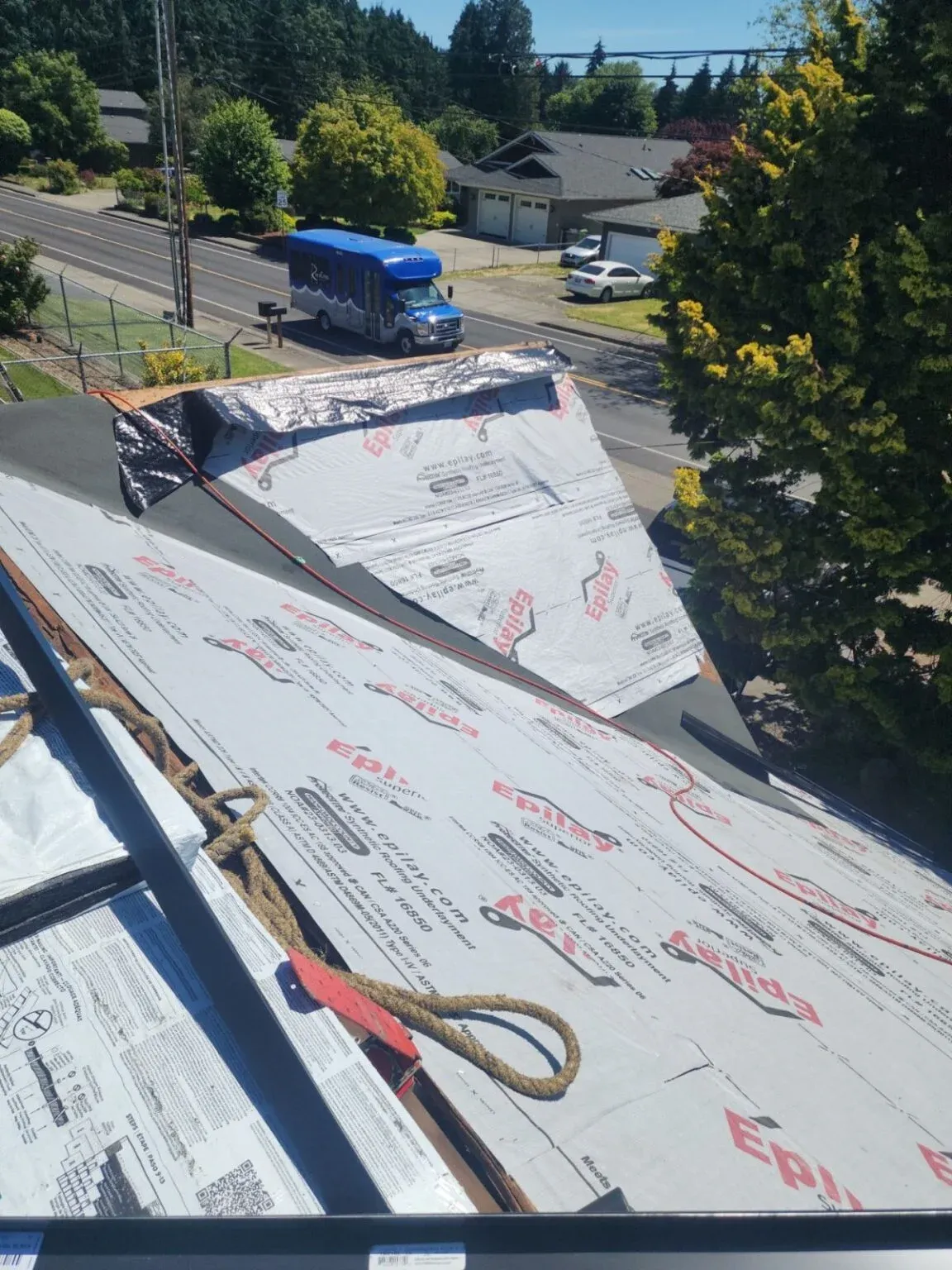
- Inadequate underlayment installation
- Improper shingle alignment
- Damaged roofing materials during installation
- Poorly finished roof edges
- Incorrect ventilation details
These defects may not be obvious from the ground. Some become noticeable only after the roof experiences its first periods of heavy rain, wind, or temperature changes.
When evaluating new roof construction, the quality of installation is just as important as the roofing material selected.
2. Flashing Problems Can Lead to Leaks
Flashing deserves particular attention because it protects some of the most vulnerable areas of a roof.
Roof-to-wall transitions, chimneys, skylights, valleys, vents, and other penetrations interrupt the continuous surface of the roofing system. Flashing helps direct water away from these locations.
If flashing is poorly installed, improperly overlapped, damaged, or inadequately sealed, water can find a path into the roof assembly.
In the Corvallis area, where roofs can experience extended periods of wet weather, small flashing deficiencies deserve attention. Water does not need a large opening to create trouble. Repeated exposure can gradually move moisture beneath roofing materials and into underlying components.
A professional roofing contractor will normally inspect flashing details carefully when investigating a new-roof leak.
3. Severe Weather Can Damage a Recently Installed Roof
A roof being new does not make it immune to weather.
Strong winds, heavy rain, falling branches, hail in some areas, and other weather events can damage roofing materials or expose vulnerable areas. Construction materials can also be affected if severe weather occurs before the roofing system is fully completed.
For properties in and around Corvallis, seasonal moisture is an important consideration. A roof may appear perfectly sound during dry conditions but reveal a weakness during a prolonged rain event.
After unusually severe weather, property owners should look for warning signs such as:
- Missing or displaced roofing materials
- Damaged flashing
- Loose components
- Clogged drainage areas
- New ceiling stains
- Water around attic penetrations
- Granules or roofing debris in gutters
A prompt inspection can prevent a small weather-related defect from becoming a larger repair.
4. Roof Penetrations Are Natural Vulnerable Points
Every penetration creates another location where water must be managed.
Plumbing vents, exhaust vents, HVAC equipment, skylights, satellite equipment, and other roof-mounted components need appropriate detailing. If the surrounding flashing or seals are not installed correctly, water can enter around the penetration.
This issue is especially important on complicated roofs because more penetrations generally mean more opportunities for installation problems.
When planning new roof construction in Corvallis, OR, property owners should consider the complete roof system rather than focusing only on the visible roofing material.
5. Poor Roof Drainage Can Create Problems
Water needs a reliable path off the roof.
If a roof has blocked drainage points, improperly positioned downspouts, inadequate slope, or areas where water remains for extended periods, moisture can place unnecessary stress on roofing materials.
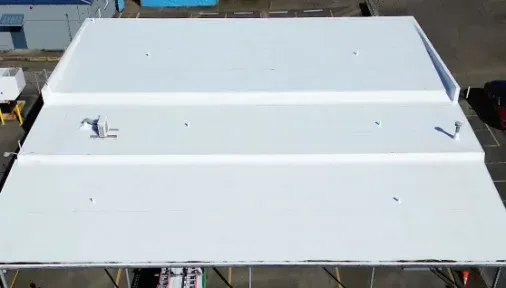
Flat and low-slope roofing systems require especially careful attention to drainage. Standing water can contribute to membrane deterioration and may expose weaknesses around seams, penetrations, and flashing.
Routine roof maintenance should therefore include checking gutters, drains, downspouts, and other water-management components.
A drainage problem is not necessarily a roofing-material problem. Sometimes the correct solution involves improving the way water leaves the roof.
6. Construction Traffic Can Damage Roofing Materials
A less obvious cause of early roof damage is activity around the property during construction.
Roofing materials can be damaged by foot traffic, dropped tools, equipment, or other construction activity. Workers from different trades may also need to access the roof after portions of the roofing system have already been installed.
For example, an HVAC installation or electrical project may require someone to work around roof penetrations. If roofing components are disturbed during that work, a leak may develop later.
This is why coordination between trades matters during new construction.
7. Underlying Structural Problems May Become Visible Later
Sometimes the roofing material is not the original cause of the problem.
If the roof deck has moisture damage, movement, inadequate support, or another structural issue, the roofing system may experience stress after installation.
Signs can include unusual roof movement, visible sagging, recurring leaks, or areas where roofing materials do not remain properly aligned.
These situations require more than a surface-level patch. A qualified professional may need to inspect the roof assembly and determine whether the underlying structure requires attention.
8. Materials Can Move as Temperatures Change
Roofing materials are exposed to significant temperature fluctuations.
Materials expand and contract as temperatures change. Proper installation accounts for expected movement, but poorly detailed areas may eventually show signs of stress.
Sealants can also age or separate from surfaces, particularly around exposed penetrations and joints.
This does not mean normal temperature changes should cause a new roof to fail. Rather, thermal movement can reveal weak installation details that were not obvious immediately after construction.
9. Ventilation Problems Can Affect Roof Performance
Roof ventilation is often overlooked because it is not as visible as shingles or metal panels.
Proper attic ventilation helps manage heat and moisture within the roof system. When ventilation is poorly designed or blocked, excess moisture can contribute to problems involving insulation, wood components, fasteners, and roofing materials.
A new roof can therefore have excellent exterior materials and still experience problems if the overall roof assembly was not properly considered.
During an inspection, it is useful to evaluate ventilation as part of the complete system rather than treating the roof covering as an isolated component.
How Do You Know if a New Roof Needs Repair?
Some warning signs are easy to recognize, while others require professional inspection.
Property owners should pay attention to:
- Water stains on ceilings or walls
- Damp insulation in the attic
- Missing, lifted, or damaged roofing materials
- Loose or damaged flashing
- Water pooling on low-slope roof areas
- Unusual moisture or musty odors in attic spaces
- Roofing debris appearing in gutters
- Recurring leaks after rainfall
- Visible sagging or uneven roof areas
- Damage around vents, skylights, or other penetrations
One important point is that the absence of an interior leak does not prove that the roof is performing perfectly. Water can remain within the roof assembly for some time before becoming visible inside the building.
Should You Repair or Replace a New Roof?
A newly constructed roof that develops a problem usually does not automatically require complete replacement.
The appropriate solution depends on the cause and extent of the damage.
A minor flashing defect, isolated puncture, or localized installation issue may be repairable. More extensive problems involving widespread material failure, structural damage, or significant installation deficiencies may require a larger corrective project.
A good inspection should answer three practical questions:
What failed?
The inspector should identify the specific component or condition responsible for the problem.
Why did it fail?
Finding the underlying cause helps prevent the same problem from recurring.
How much of the roof is affected?
This determines whether localized roof repair is reasonable or whether broader corrective work is necessary.
This approach is more useful than simply treating the most visible symptom.
What Should Property Owners Do After Finding a New-Roof Problem?
If you discover a leak or visible roof damage soon after construction, document the issue before making extensive changes.
Take photographs of visible damage, note when the problem occurs, and record weather conditions if relevant. If water is entering the building, protect interior belongings and address immediate water intrusion safely.
Then arrange a professional inspection.
If the roof was recently installed, review the construction documents and applicable workmanship or manufacturer warranties. Depending on the circumstances, the responsible contractor or manufacturer may need to evaluate the issue.
Avoid repeatedly applying temporary sealants without determining why water is entering. A patch can sometimes hide symptoms while allowing an underlying problem to continue.
How Regular Roof Maintenance Helps
Even a well-installed roof benefits from routine inspection and maintenance.
A practical maintenance program can include:
- Inspecting roofing materials for visible damage
- Checking flashing and penetrations
- Cleaning gutters and drainage areas
- Looking for signs of standing water
- Examining attic spaces for moisture
- Checking ventilation
- Removing debris from vulnerable areas
- Inspecting after significant weather events
Regular roof maintenance is particularly valuable because minor defects are generally easier and less expensive to address before they develop into widespread moisture damage.
Choosing a Roofing Contractor for New Construction or Repairs
Whether you need a new installation or roof repair, look for a contractor who evaluates the complete roofing system rather than focusing only on the visible problem.
Useful questions include:
- What caused the damage?
- How extensive is the affected area?
- Is the roof assembly showing signs of moisture?
- Does the repair address the cause or only the symptom?
- Are flashing and penetrations properly detailed?
- What maintenance should be performed afterward?
- Are manufacturer requirements or warranties involved?
A trustworthy roofing contractor should be able to explain the recommended work in practical terms and distinguish between an urgent repair and a condition that can be monitored.
Final Thoughts
A newly constructed roof should provide reliable protection, but “new” does not eliminate the possibility of defects, weather damage, drainage problems, or installation-related issues. Roofing is a system made up of many components, and the performance of the entire system depends on how those components work together.
For homeowners and property owners considering new roof construction in Corvallis, OR, careful installation, proper detailing, drainage, ventilation, inspections, and ongoing maintenance all play a role in long-term performance.
If a new roof develops a leak or visible defect, the best first step is not to assume the entire roof has failed. Identify the source, determine the underlying cause, assess the extent of the damage, and choose a repair based on the actual condition of the roofing system. That practical approach can protect the investment while helping prevent a small roofing issue from becoming a much larger building problem.




























Sign in to leave a comment.